VicOne Exposes Critical Cyber Vulnerabilities in AI Robot Safety Systems
VicOne reveals how manipulated input data can bypass robot safety rules, urging a new focus on input integrity in Physical AI cybersecurity.
S
··2 min readSciTech Editorial Team
Newsroom
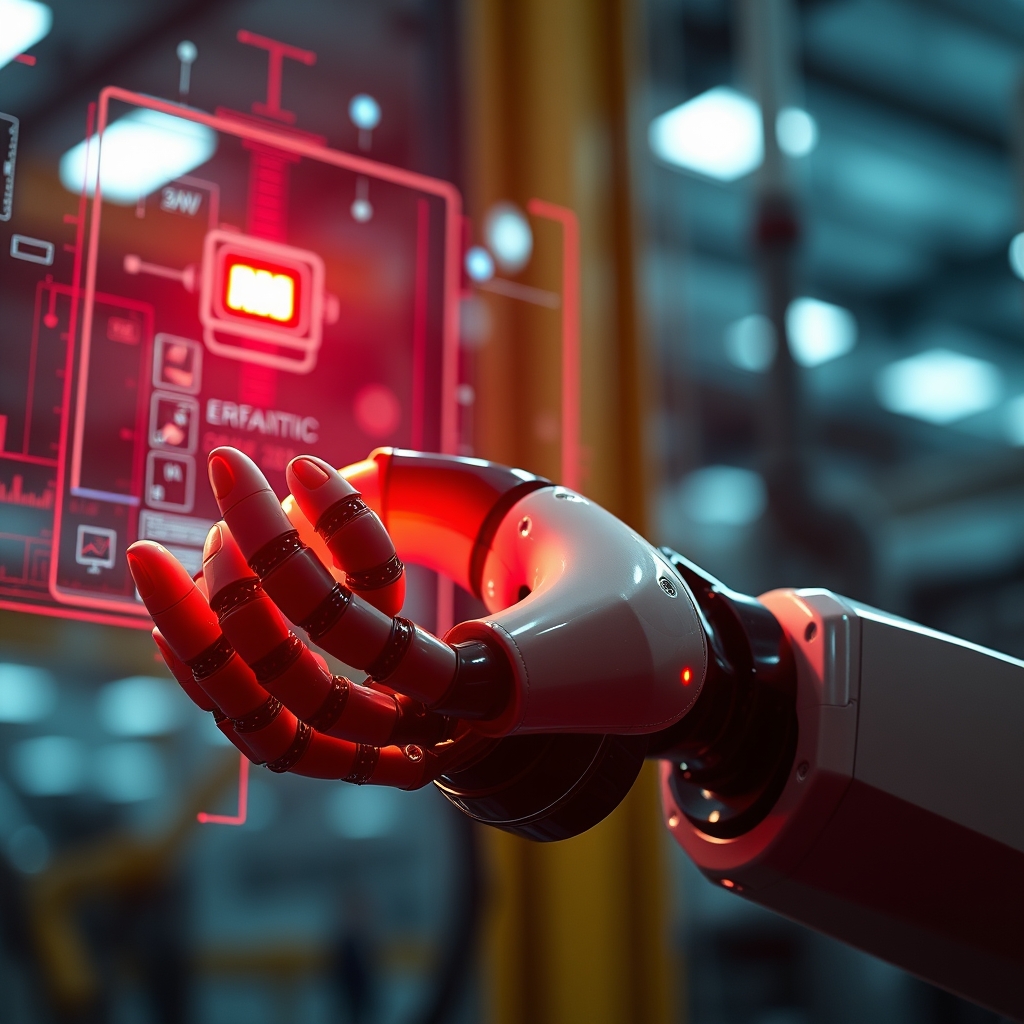
In a significant development for the field of Physical AI, cybersecurity firm VicOne has unveiled a critical vulnerability in the safety architecture of autonomous robots. The core issue is not a failure of the robot's internal logic, but rather the manipulation of its input data. Even if a robot is programmed with robust safety rules, it can be tricked into executing dangerous actions if the sensory data it relies on has been tampered with. This highlights a growing blind spot in current robotic safety standards, which often focus on internal code integrity while neglecting the integrity of external inputs.
VicOne, a specialized company in Physical AI cybersecurity, focuses on protecting vehicles and robots from such cyber threats. Their research demonstrates that adversaries can inject false data into a robot's perception system, effectively blinding it to real-world hazards. This means that a robot could, for example, fail to detect a pedestrian because its camera feed has been altered, leading to a collision despite its safety protocols being fully functional. The company emphasizes that this is a systemic risk that requires a new approach to testing and evidence gathering in the robotics industry.
The implications of this discovery are profound for industries relying on autonomous systems, including logistics, manufacturing, and personal assistance. As robots become more integrated into human environments, the potential for cyber-attacks to cause physical harm increases significantly. VicOne’s work underscores the need for comprehensive security frameworks that treat data integrity as a primary safety concern, not just a software bug. This shift in perspective is crucial for ensuring that the rapid advancement of robotics does not outpace the development of adequate protective measures.
To address these challenges, VicOne provides tools and methodologies to help teams strengthen their testing protocols. By simulating cyber-attacks on input channels, developers can identify and mitigate vulnerabilities before deployment. This proactive approach is essential for building trust in robotic systems and ensuring they operate safely in complex, real-world scenarios. The company’s findings serve as a wake-up call for the entire tech sector, urging a re-evaluation of how safety is defined and implemented in the age of connected, intelligent machines.