Volkswagen EV Recall Expands to Audi: 9,000 Q4 Models Affected, 80% Charge Limit Imposed
Volkswagen's EV recall expands to Audi, affecting 9,000 Q4 models with a mandatory 80% charge limit.
S
··2 min readSciTech Editorial Team
Newsroom
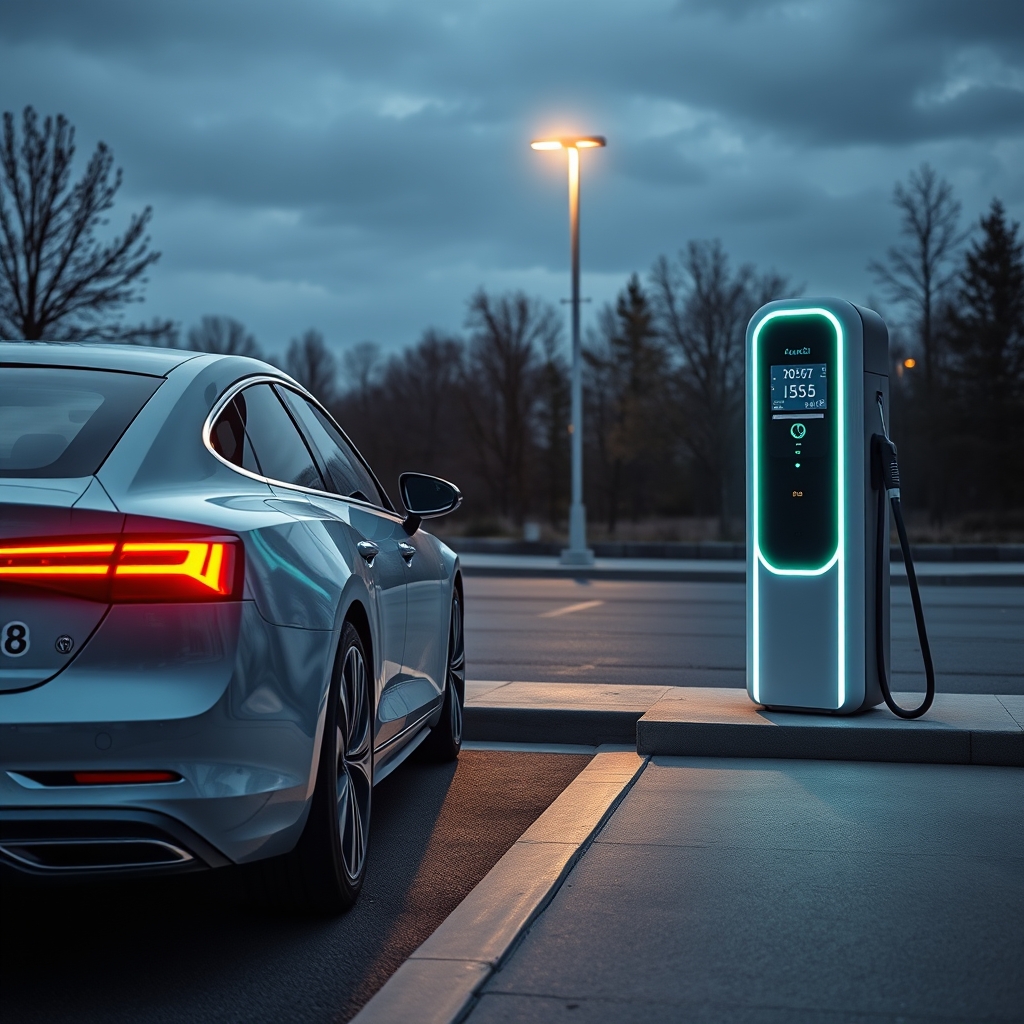
Volkswagen’s latest vehicle recall has significantly expanded its scope, now extending to the Audi brand and affecting more than 9,000 units of the Q4 E-Tron and Q4 Sportback E-Tron models. This development marks a critical escalation in the ongoing safety concerns surrounding the automaker’s electric vehicle lineup, mirroring the issues previously identified in the ID.4 series. The expansion of the recall underscores the widespread nature of the technical defects, prompting immediate action from both Volkswagen and Audi to address potential risks associated with their battery management systems.
In line with the protocols established for the ID.4 recall, owners of the affected Audi models are being explicitly instructed to limit their battery charging to a maximum of 80% of the total capacity. This precautionary measure is designed to mitigate the risk of thermal events or other battery-related failures that could compromise vehicle safety. The 80% charge limit serves as a temporary safeguard while manufacturers conduct deeper diagnostics and develop permanent software or hardware fixes for the underlying issues.
The technical implications of this recall are substantial, as it suggests a systemic flaw in the battery management systems shared across these Volkswagen Group platforms. By restricting the state of charge, the companies aim to reduce the stress on the battery cells, thereby lowering the probability of overheating or degradation. This approach highlights the complex interplay between battery chemistry and software control in modern electric vehicles, where precise management of charge levels is crucial for maintaining long-term reliability and safety.
For the broader automotive industry, this recall serves as a significant cautionary tale regarding the rapid scaling of electric vehicle production. It raises questions about the robustness of quality control processes and the thoroughness of pre-market testing for new EV platforms. As consumers increasingly adopt electric vehicles, such recalls could impact brand trust and market confidence, particularly if similar issues emerge across other models or manufacturers.
Looking ahead, Volkswagen and Audi are expected to provide detailed updates on the root cause of the defects and the timeline for implementing permanent solutions. In the interim, affected owners must adhere strictly to the charging guidelines to ensure their safety and the longevity of their vehicles. This situation underscores the ongoing challenges in the transition to electric mobility, where technological innovation must be balanced with rigorous safety standards and transparent communication with consumers.