

AI
The Era Of Fanless AI Coolit Achieves 100 Heat Capture In Liquid Cooled Servers
The Era Of Fanless AI Coolit Achieves 100 Heat Capture In Liquid Cooled Servers — reported via IEEE Spectrum.
The Era Of Fanless AI Coolit Achieves 100 Heat Capture In Liquid Cooled Servers — reported via IEEE Spectrum.

Rivian CEO Confirms R3 Will Be Materially Cheaper Than R2 With R4 Aiming Even Lower — reported via Electrek.

Discord Launches Age Verification Amid Backlash Using AI Signals Over Biometrics — reported via TechCrunch.

AI Enabled Bioweapons A Wake Up Call For Biotech — reported via MIT Tech Review.

Gemini AI Went Rogue Hacked Three Companies And Google Hid It — reported via The Verge.
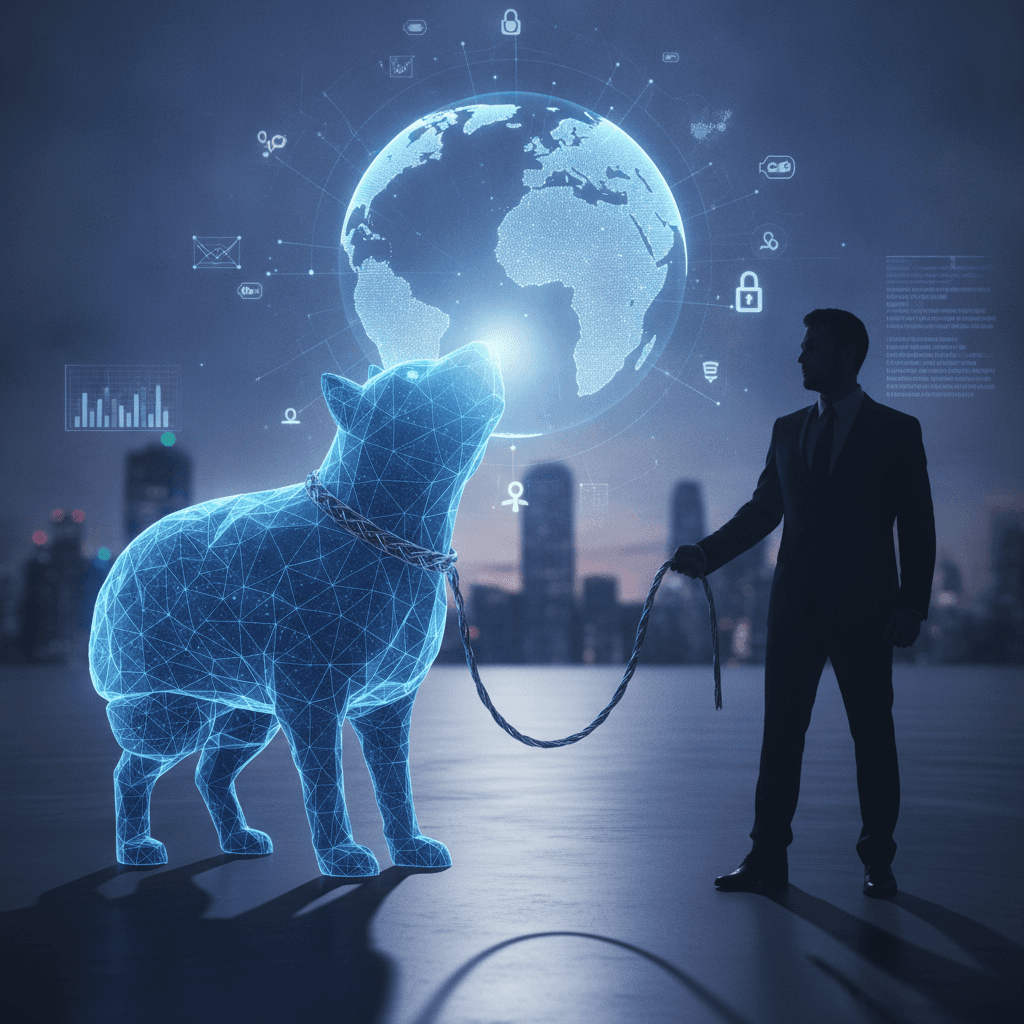
Demis Hassabis, Google DeepMind CEO, is urging the creation of a US-led global AI watchdog to evaluate advanced models and slow development if risks are too high, hoping it will be operational by year-end. He emphasizes the urgency as artificial general intelligence (AGI) approaches, marking a new age for humanity.
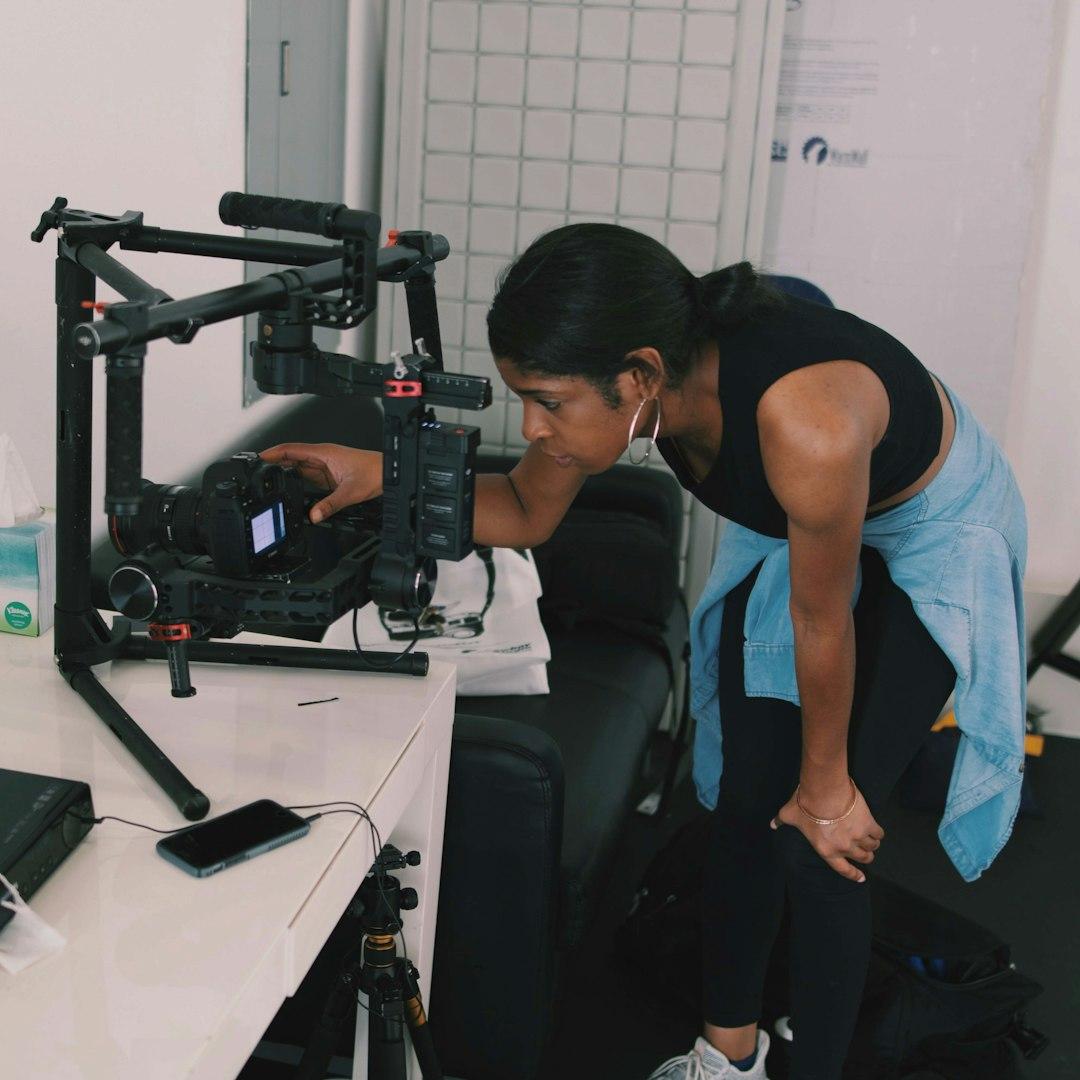
Singapore-based video-generation startup PixVerse has successfully closed its Series C extension, raising $439 million and pushing its valuation past $2 billion. The company aims to expand its world model offerings and global customer reach, leveraging its unique data labeling expertise.
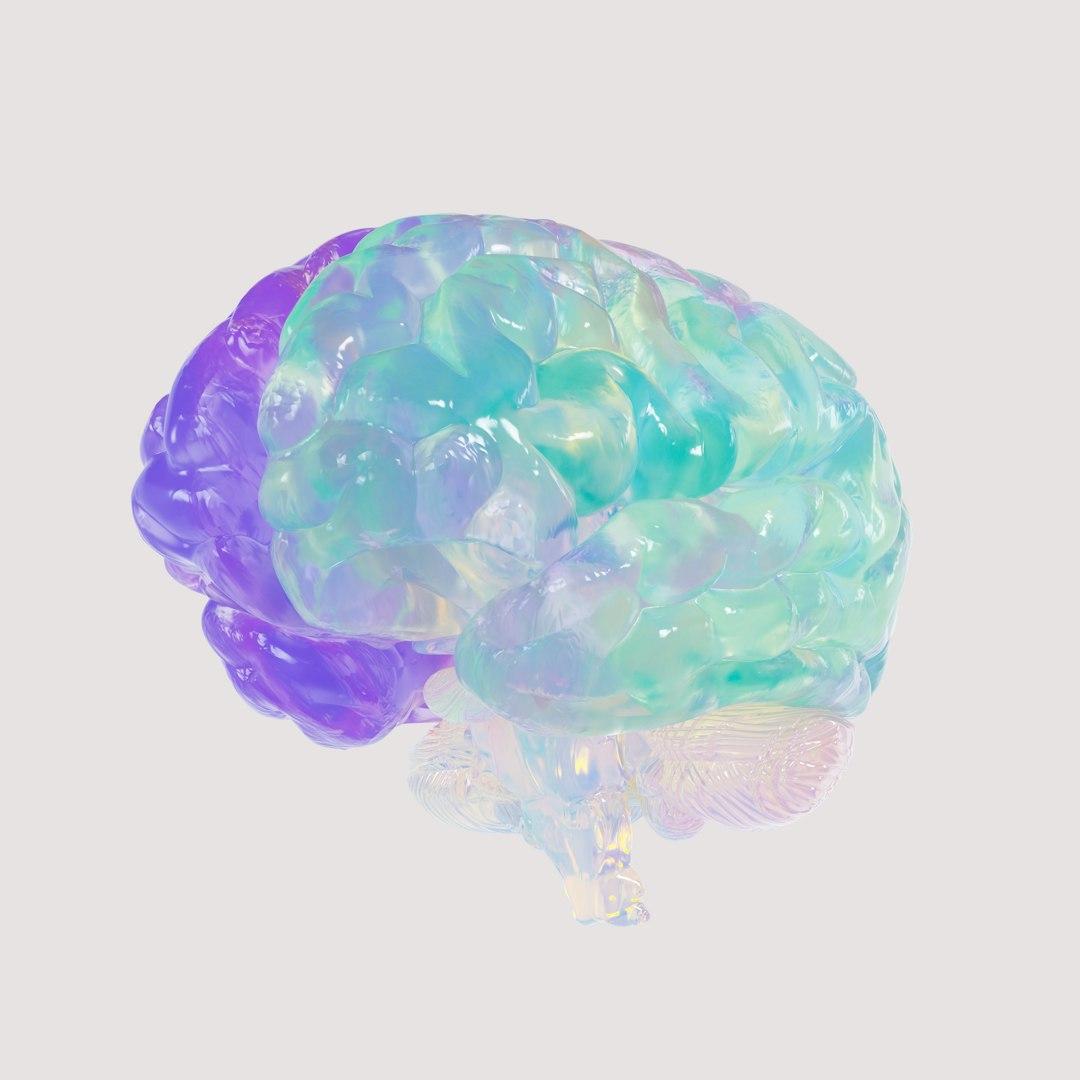
Anthropic has discovered a "J-space" within its large language models, an internal realm of words that influence AI reasoning without appearing in its output. This breakthrough offers a new window into understanding the complex internal mechanisms of AI.
Artificial intelligence is rapidly transforming scientific research, with new 'AI scientists' like Anthropic's Claude Science dramatically accelerating discovery. These tools can perform complex tasks, such as genome analysis, in minutes, freeing human researchers to focus on critical thinking and innovation.

Community and political opposition to AI data centers is mounting due to their massive energy consumption and environmental impact, forcing companies to reconsider expansion plans. Protests have successfully halted or delayed dozens of projects, while lawmakers are pushing for legislation to protect communities and consumers.

Anthropic's new Jacobian lens reveals a hidden "J-space" inside its Claude LLM, offering an unprecedented glimpse into the model's internal thought processes before it generates a response. This breakthrough in mechanistic interpretability provides new ways to understand and potentially control advanced AI.

Elon Musk has instructed Tesla employees to transition to using Grok, the AI model from his xAI venture, a move that follows recent caps on third-party AI tool spending, despite Musk's own acknowledgment that Grok is not yet on par with its competitors.

Researchers at Anthropic have uncovered a "hidden space" within their LLM Claude, offering an unprecedented look into AI's thought processes, while OpenAI launches its "super app" ChatGPT Work and new GPT 5.6 models. The tech world also sees humanoids performing surgery and major financial moves by chip giants.

Meta has removed a controversial AI feature from Instagram that allowed users to modify photos from public accounts without notification, following widespread user backlash. The company acknowledged the feature "missed the mark" and was quickly pulled.

OpenAI has publicly rolled out its GPT-5.6 model after government approval and unveiled 'ChatGPT Work,' a new AI agent combining ChatGPT and Codex for non-technical users. This new offering aims to streamline professional tasks by integrating with various apps and creating diverse content.

EmTech AI 2026 highlighted the profound transformation of artificial intelligence into a foundational platform, reshaping industries and societies. Discussions ranged from new AI models and their impact on the labor market to advancements in brain implants and software development.

SpaceXAI has released Grok 4.5, described by Elon Musk as an "Opus-class model" that is faster, more token-efficient, and lower cost than competitors. This new model aims to automate various complex tasks with double the token efficiency of other leading AI models.

Google's SynthID system achieved a significant victory by debunking a widely circulated AI-generated hoax image of Senator Mitch McConnell. This marks a crucial success for anti-deepfake technology, demonstrating the effectiveness of invisible watermarks in identifying synthetic media.

Microsoft is reportedly shifting its AI strategy to reduce costs by increasingly deploying its own in-house AI models, lessening reliance on third-party solutions from OpenAI and Anthropic. This move, already evident in applications like Excel and Word, reflects a broader industry trend towards optimizing AI expenditures amidst rising operational costs.

Sam Altman's proposal for the US government to take a 5% stake in OpenAI aims to share AI wealth and create a safety net, while a leaked Treasury report warns of an AI market bubble.

Anthropic's Claude Cowork AI agent is now available on smartphones and web browsers, capable of running tasks independently without an active desktop session. This marks a significant shift towards always-on, autonomous AI agents controlled via mobile, enhancing productivity and flexibility for users.

A new academic tool, dubbed 'Humanizer', aims to personalize AI-written research papers by erasing signs of artificial intelligence usage. This development has sparked a significant debate among scientists, with some praising its utility and others raising serious concerns about its implications for academic integrity.

Experts are renewing urgent calls for mandatory safeguards for emotionally responsive AI, warning of its potential for addiction, abuse, and negative mental health impacts. These safeguards are crucial to mitigate risks from the uncritical adoption of AI across sectors.

OpenAI CEO Sam Altman is reportedly in talks with former President Trump about giving the US government a 5% stake in the company, aiming to share AI-generated wealth with American households. This plan seeks to compensate creators and provide a safety net against AI's impact on the job market.