
Space
SpaceX Launches Starlink V3 Via Starship As Amazon Leo Faces Prolonged Stagnation
SpaceX Launches Starlink V3 Via Starship As Amazon Leo Faces Prolonged Stagnation — reported via The Verge.
SpaceX Launches Starlink V3 Via Starship As Amazon Leo Faces Prolonged Stagnation — reported via The Verge.
SpaceX Targets First Orbital Flight Of Starship Paving Way To Moon And Mars — reported via Phys.org.

Astronomers have discovered two "super-puff" planets orbiting the star TOI-791, which are roughly the size of Jupiter but more than 20 times lighter. Their incredibly low density, comparable to candy floss, challenges existing planet formation models.
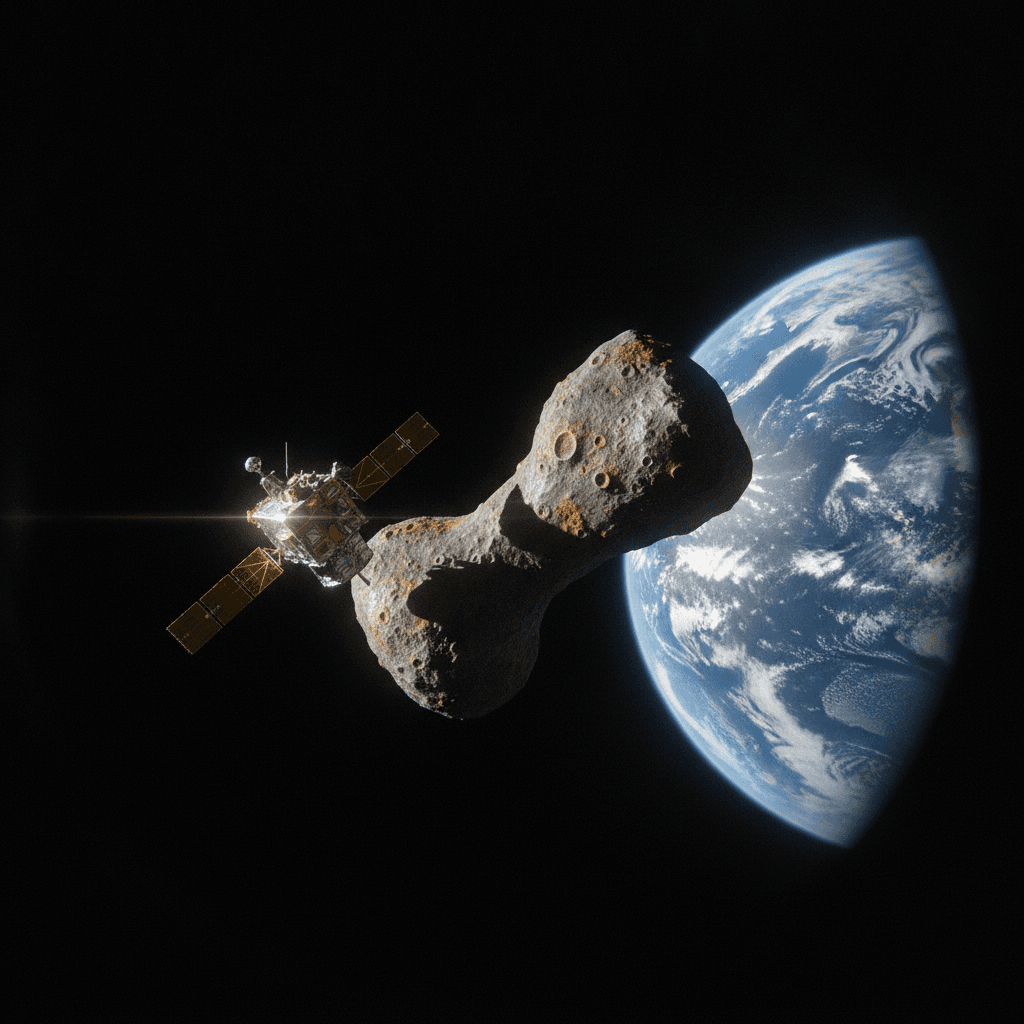
China's Tianwen-2 probe has successfully reached Kamo’oalewa, an asteroid considered Earth's 'quasi-moon,' after a 400-day journey. The mission aims to collect samples to unlock secrets about the solar system's formation and resolve a debate over the asteroid's mysterious origin.

China's state-owned space company has successfully landed a reusable rocket booster on a recovery vessel, becoming only the second nation to achieve this feat after SpaceX. This breakthrough is set to dramatically lower launch costs and intensify global competition in satellite communications.
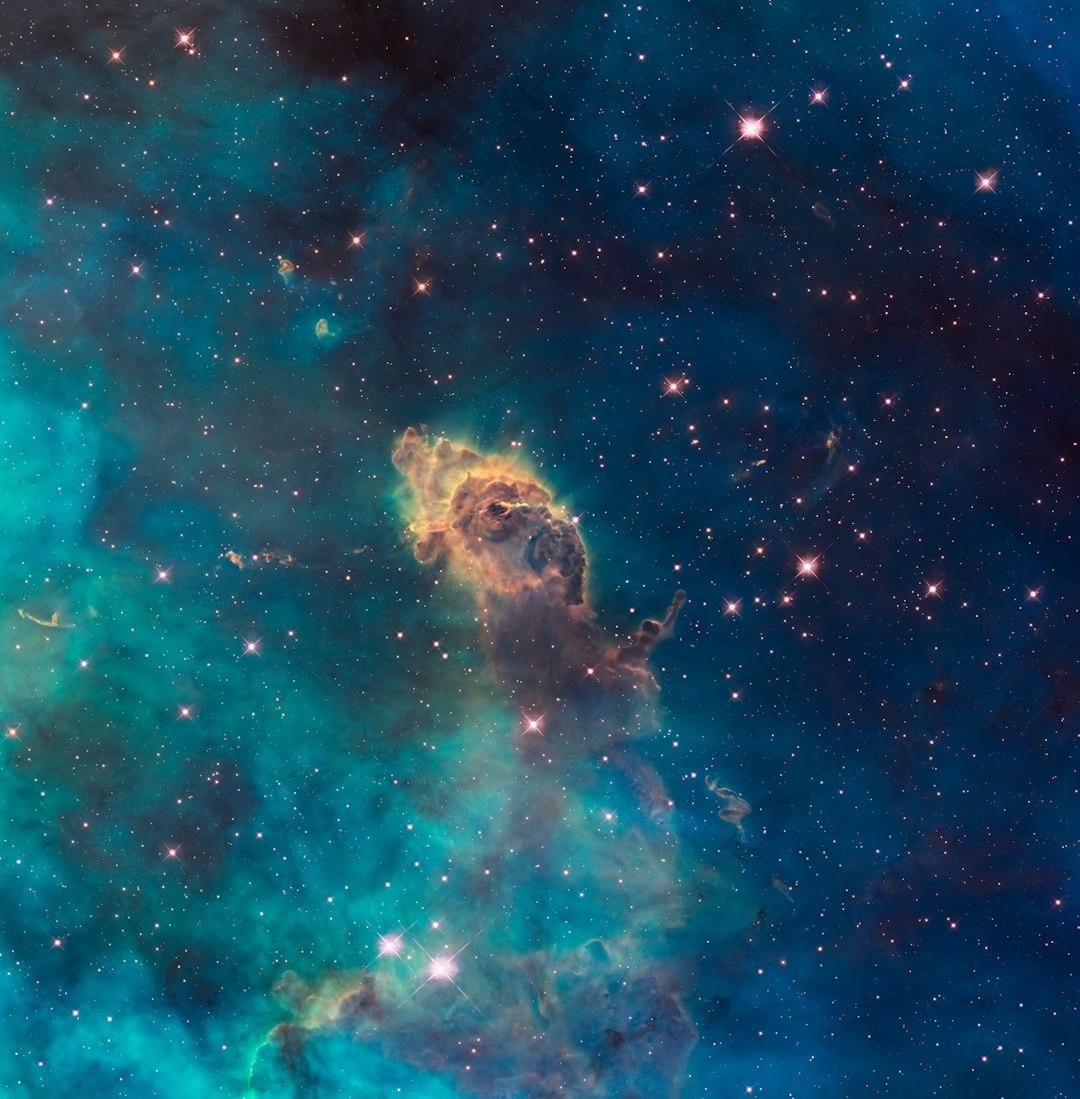
The iconic Hubble Space Telescope, after over three decades of groundbreaking discoveries, faces orbital decay, prompting a global effort to preserve its legacy. NASA and private entities are exploring options, including reboost missions, to extend its operational life or ensure a safe deorbit.
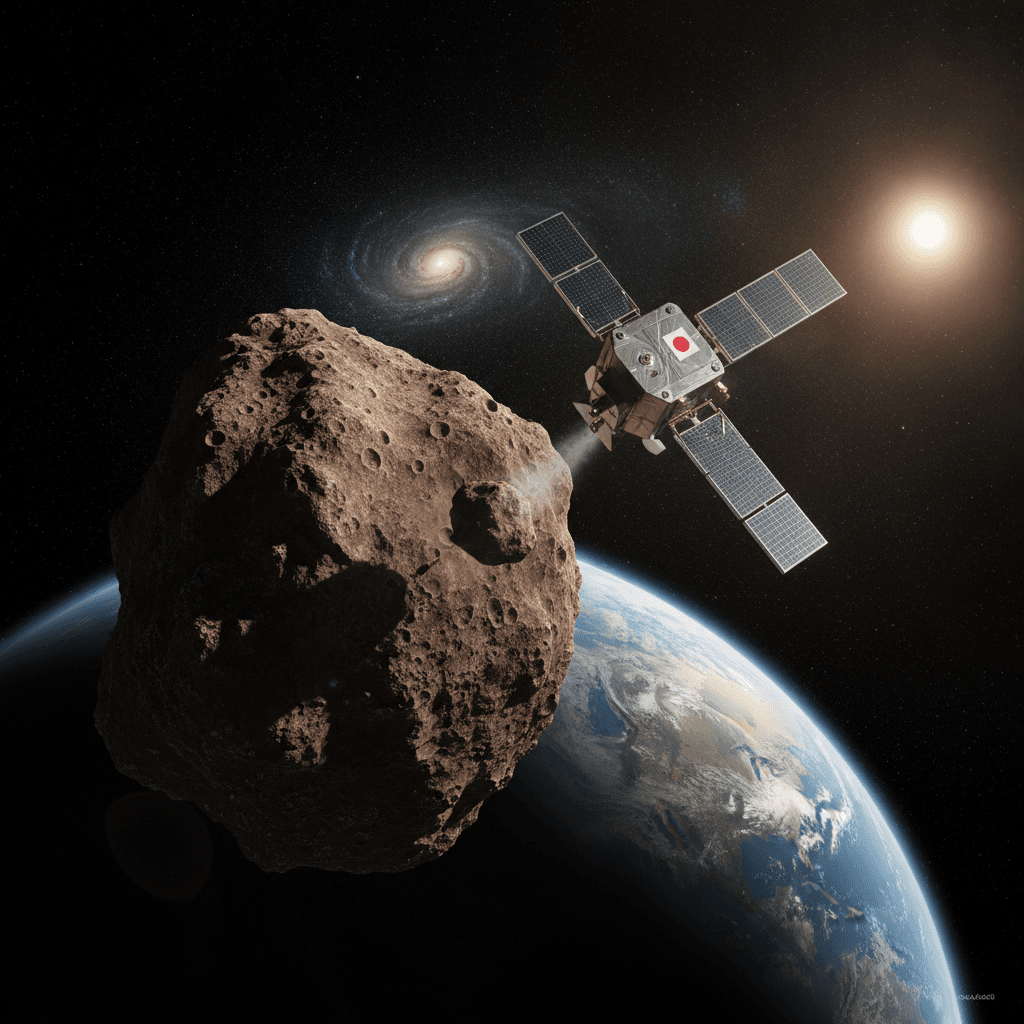
Japan's Hayabusa2 space probe successfully performed a close flyby of the near-Earth asteroid Torifune, testing crucial technologies for planetary defense. This mission aims to assess precise trajectory control and gather vital surface data to prepare for potential asteroid threats.
Astronomers have discovered a pair of Jupiter-sized exoplanets, dubbed "super-puffs," that are astonishingly lighter than cotton candy, challenging existing theories of planetary formation. This unique finding promises to deepen our understanding of the diverse nature of exoplanetary systems.
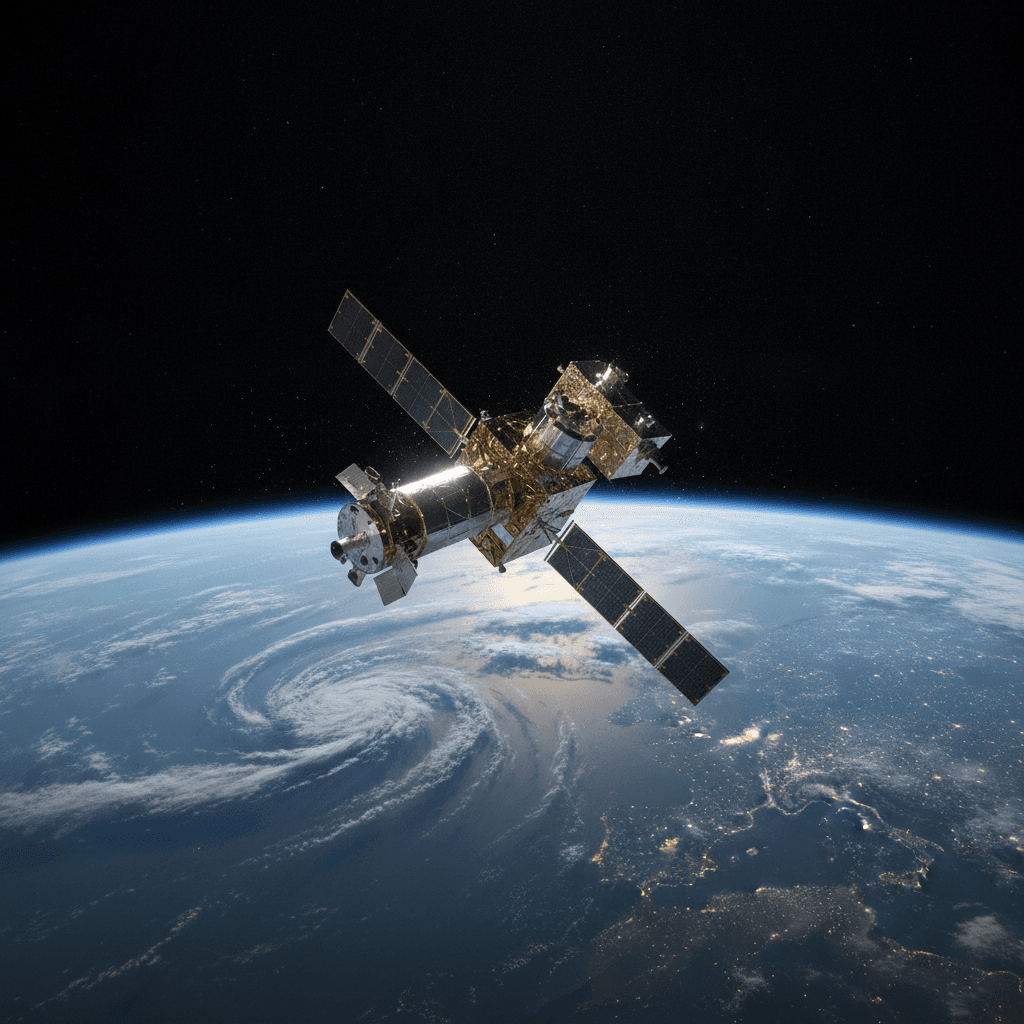
NASA has launched an urgent mission to save its Swift Observatory from an impending crash to Earth, caused by recent solar storms pushing its orbit dangerously low. The Link spacecraft, developed in just nine months by Katalyst Space Technologies, aims to boost Swift's orbit back to safety.

The hunt for a single, elusive neutrino has led to the discovery of an unusually bright, early galaxy nicknamed 'Shadow Blaster,' located 11 billion light-years away and observed through gravitational lensing.
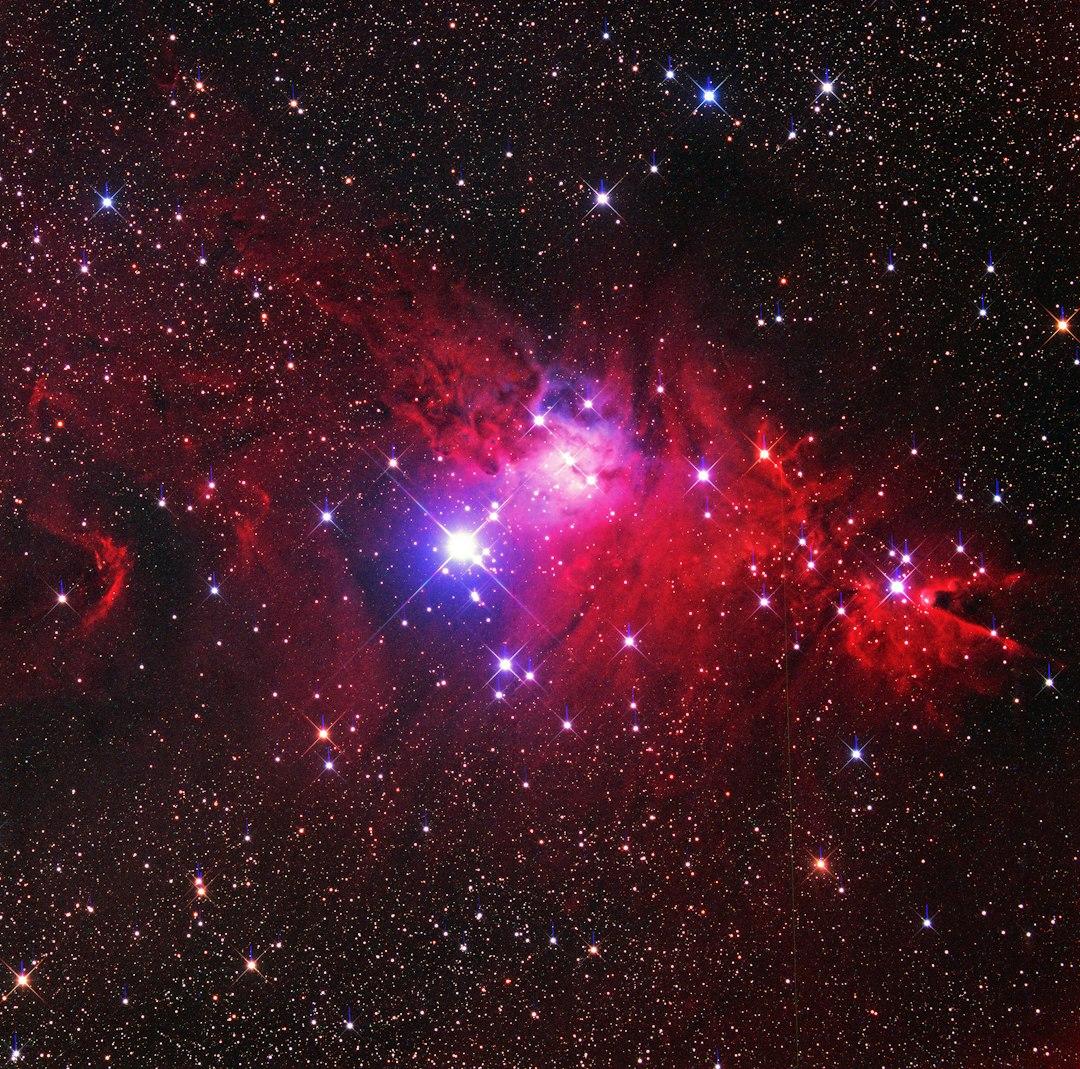
Astronomers have identified one of the most distant candidate galaxies known to leak ionizing radiation, offering crucial insights into how the early universe transformed from opaque to transparent. This discovery could help unravel the mystery of the epoch of reionization.

The European Space Agency's Euclid space telescope has captured the most detailed visible-light image ever obtained of the Milky Way's galactic bulge, a mosaic of over 60 million stars. This data will be crucial for confirming exoplanets via microlensing and measuring their masses with unprecedented precision.
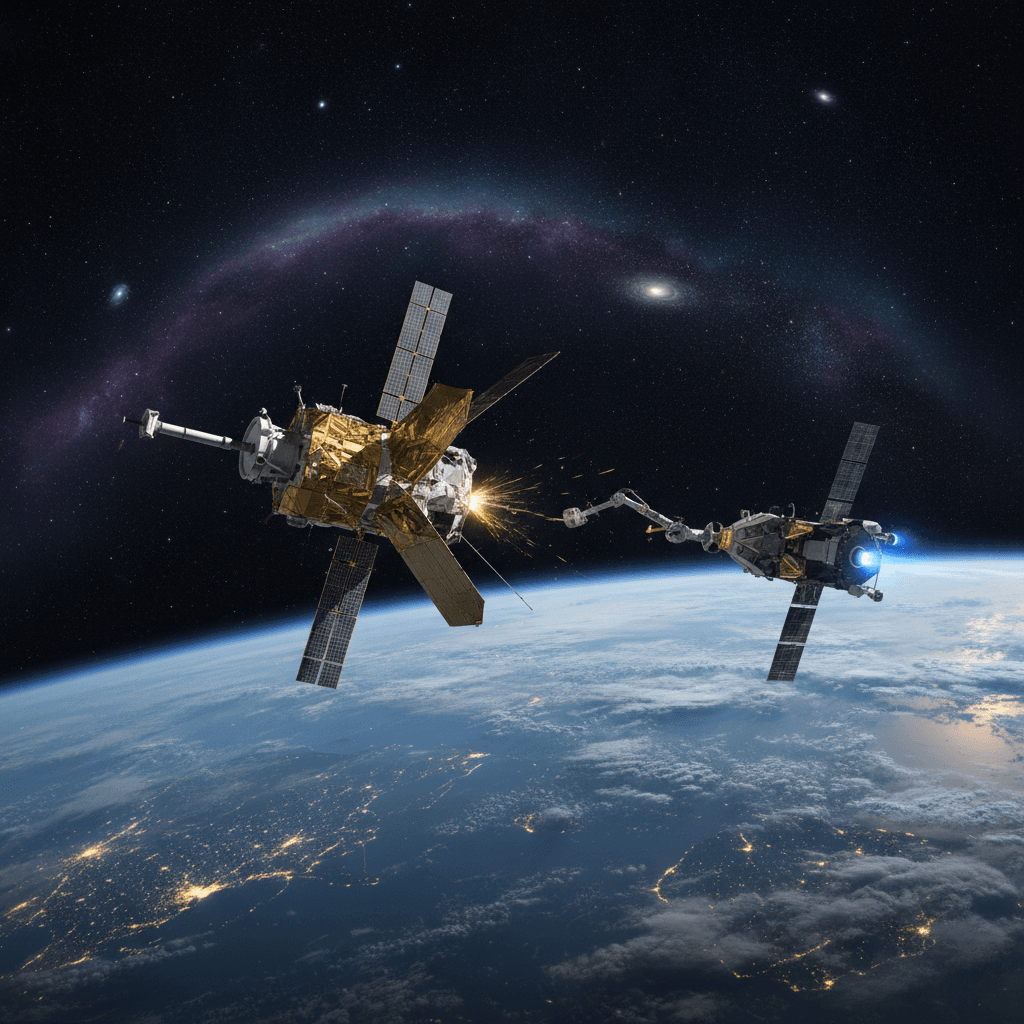
NASA is initiating a crucial $30 million robotic rescue mission to boost the aging Swift Observatory into a higher, more stable orbit, preventing its uncontrolled fall back to Earth. This pioneering effort could set a precedent for future satellite servicing, including potentially saving the iconic Hubble Space Telescope.

NASA has selected Relativity Space, a company acquired by former Google executive chair Eric Schmidt, to build and launch a spacecraft for a Mars mission dubbed "Aeolus" by 2028. This move sets up a direct competition with SpaceX's long-standing Martian ambitions.
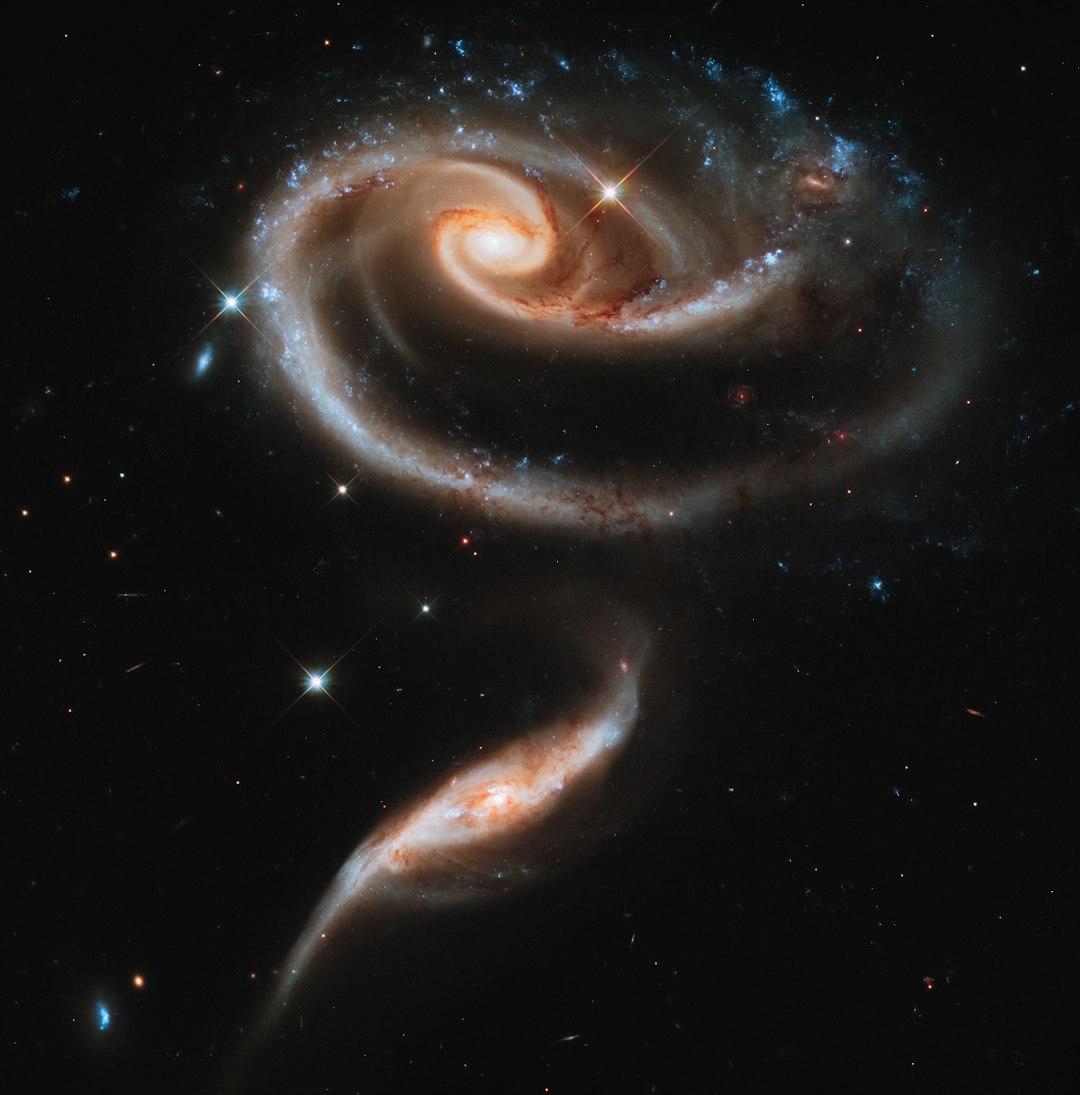
Astronomers using the MeerKAT radio telescope in South Africa have discovered the most distant hydroxyl megamaser ever detected, located in a violently merging galaxy more than 8 billion light-years away. This groundbreaking finding opens a new frontier in radio astronomy, offering insights into the early universe.
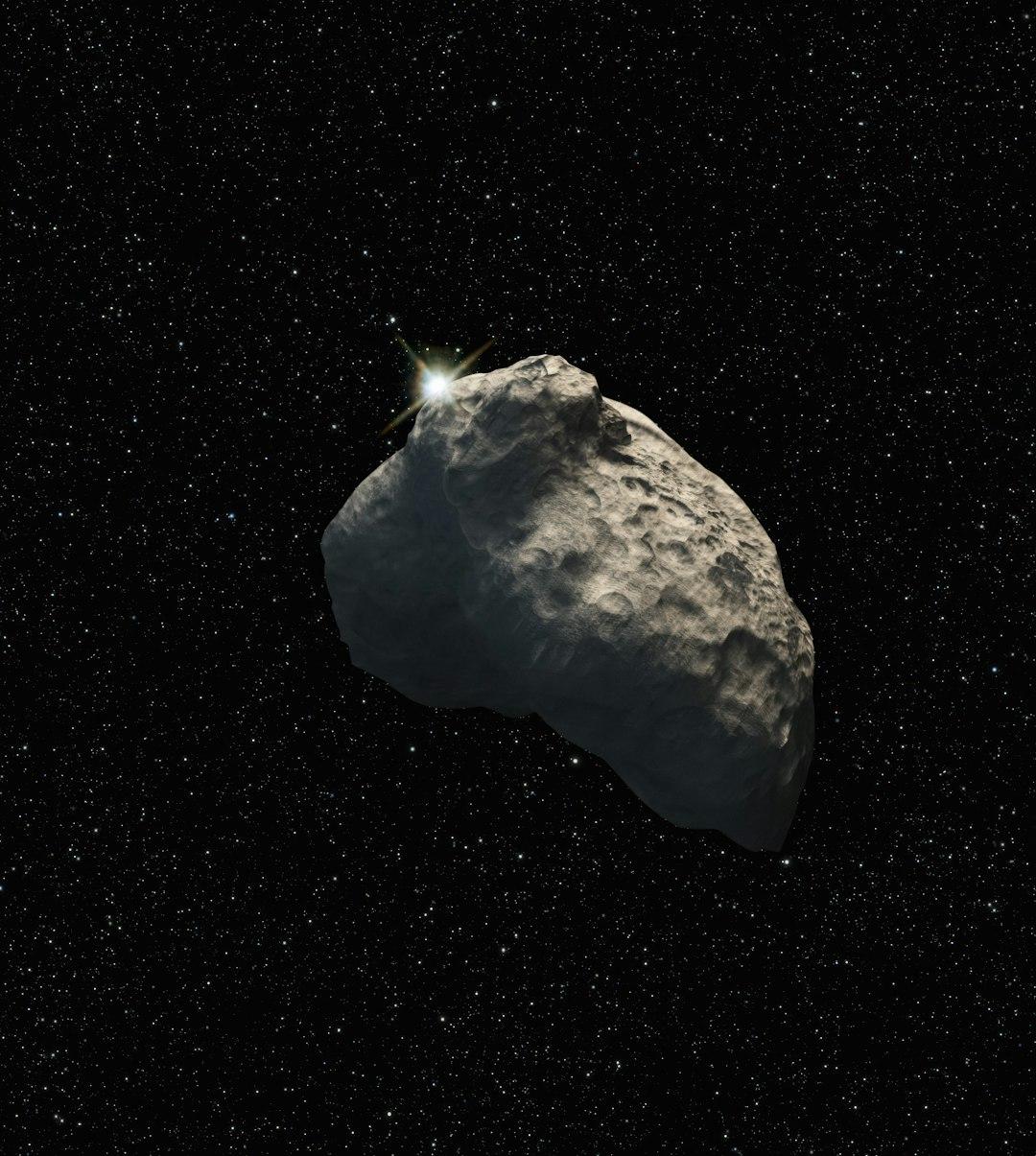
A new mission architecture called REMORA proposes an autonomous fleet of CubeSats to directly tag, track, and characterize multiple near-Earth asteroids. This innovative approach aims to overcome the limitations of remote sensing to truly understand asteroid composition.
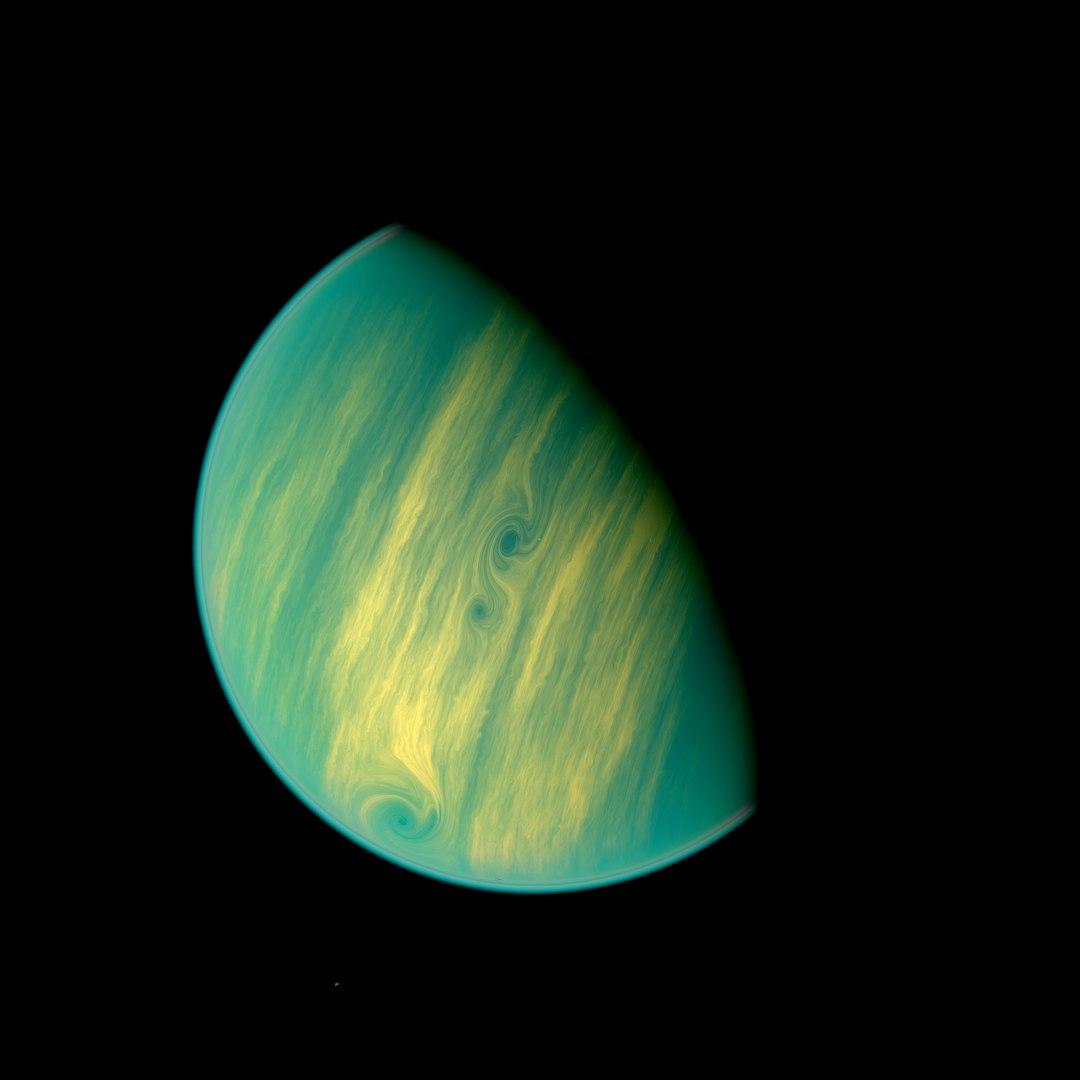
Astronomers using the Subaru Telescope have identified TOI-1883 b as a low-density super-Neptune, located 383 light-years away with an unprecedented density of just 0.4 g/cm³. This "puffy" exoplanet challenges existing models of planetary formation and evolution.
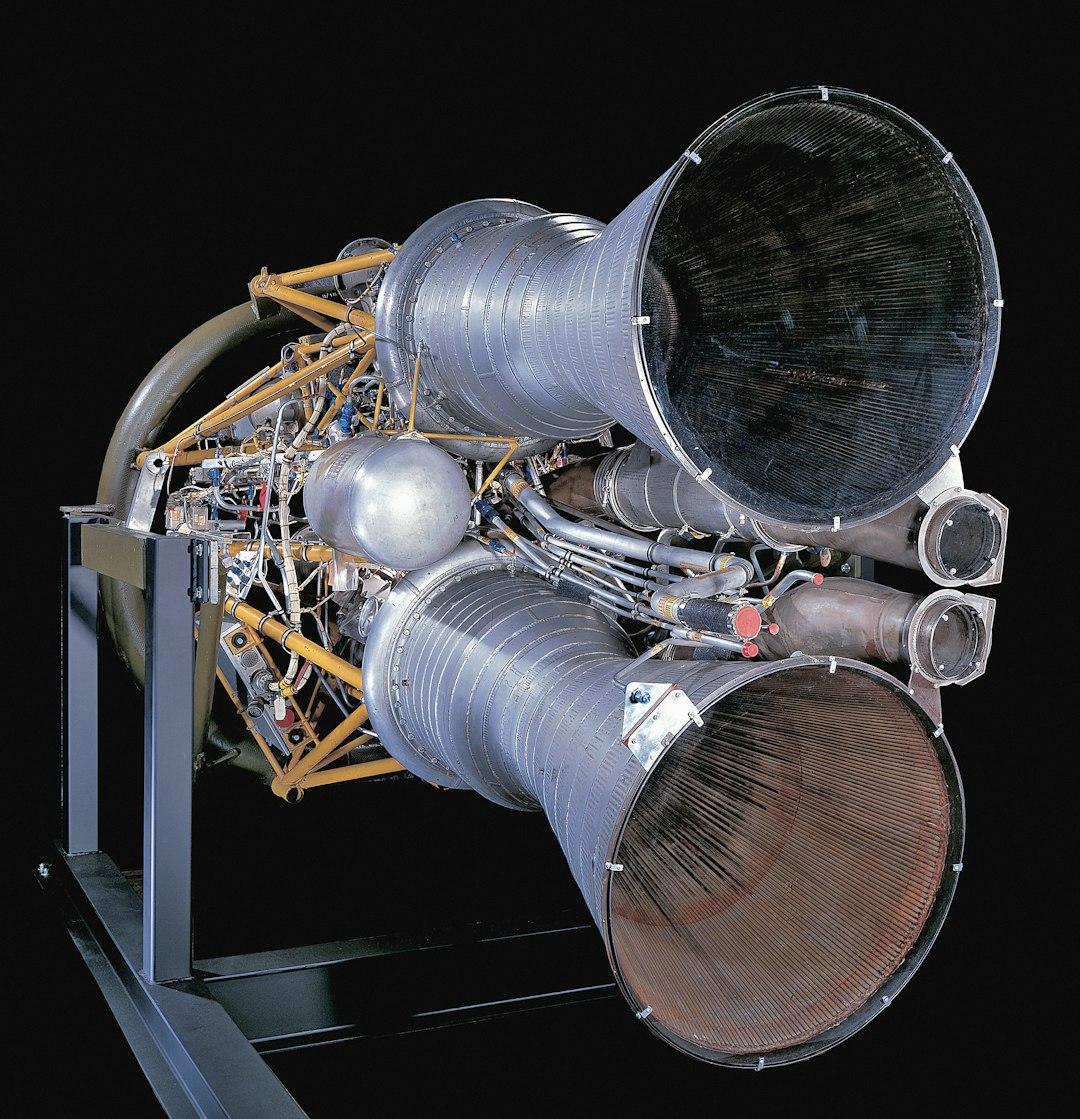
SpaceX has officially priced its shares at $135, raising a staggering $75 billion in what is now the largest initial public offering in history, significantly surpassing Saudi Aramco's 2019 debut. This landmark listing on Nasdaq is poised to reshape the financial landscape and potentially make Elon Musk the world's first trillionaire.
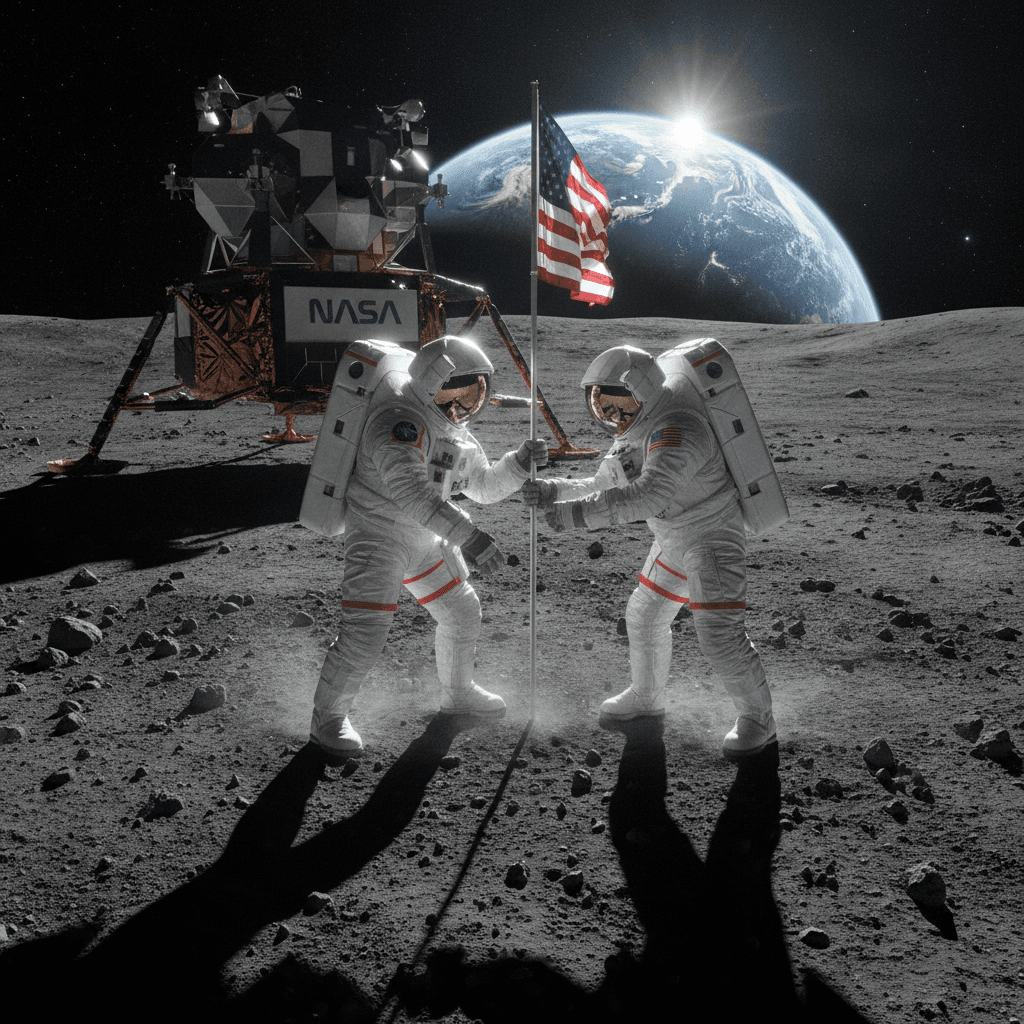
NASA has officially unveiled the crew for its highly anticipated Artemis III mission, marking a pivotal moment in humanity's renewed quest to return to the lunar surface. This mission is a significant stride in the space agency's ambitious program aimed at establishing a sustained human presence on the Moon.
A new study draws a striking parallel between Elon Musk's SpaceX and the notorious East India Company, warning that SpaceX's dominance in the space economy mirrors the colonial-era trading company's near-monopoly. This comparison raises concerns about competitive markets and the concentration of power in the nascent space industry.

An international team, led by astronomers at the University of Sydney, has uncovered the clearest evidence yet for the origin of an unusual class of cosmic signals, thanks to a student astronomer's discovery. This breakthrough identifies a rare stellar system acting as a "natural laboratory" for extreme physics.
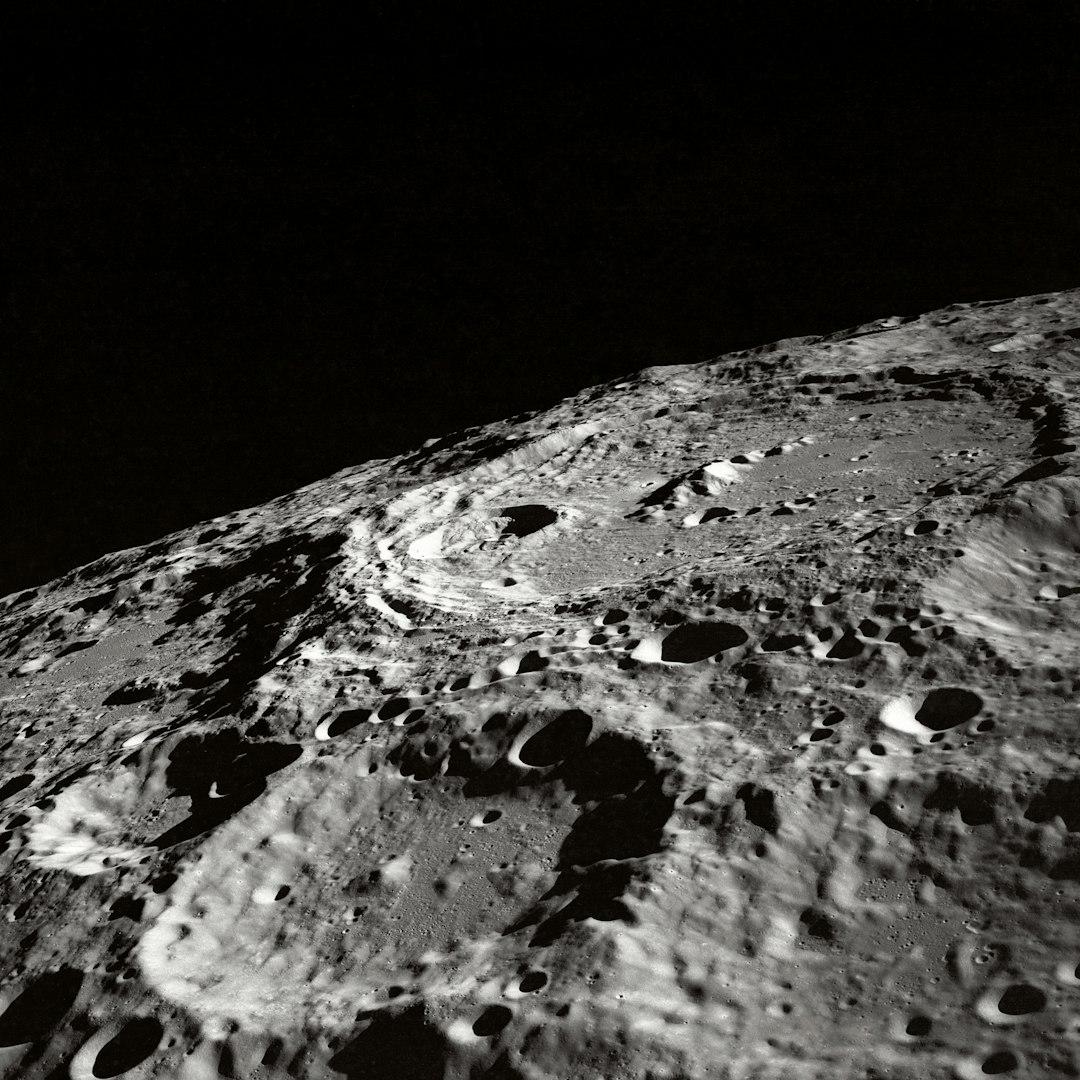
A new lunar race between the US and China seeks to establish a sustainable human presence on the Moon. Extracting oxygen from lunar soil is emerging as a critical technology for life support and rocket propellant, paving the way for future deep-space missions.
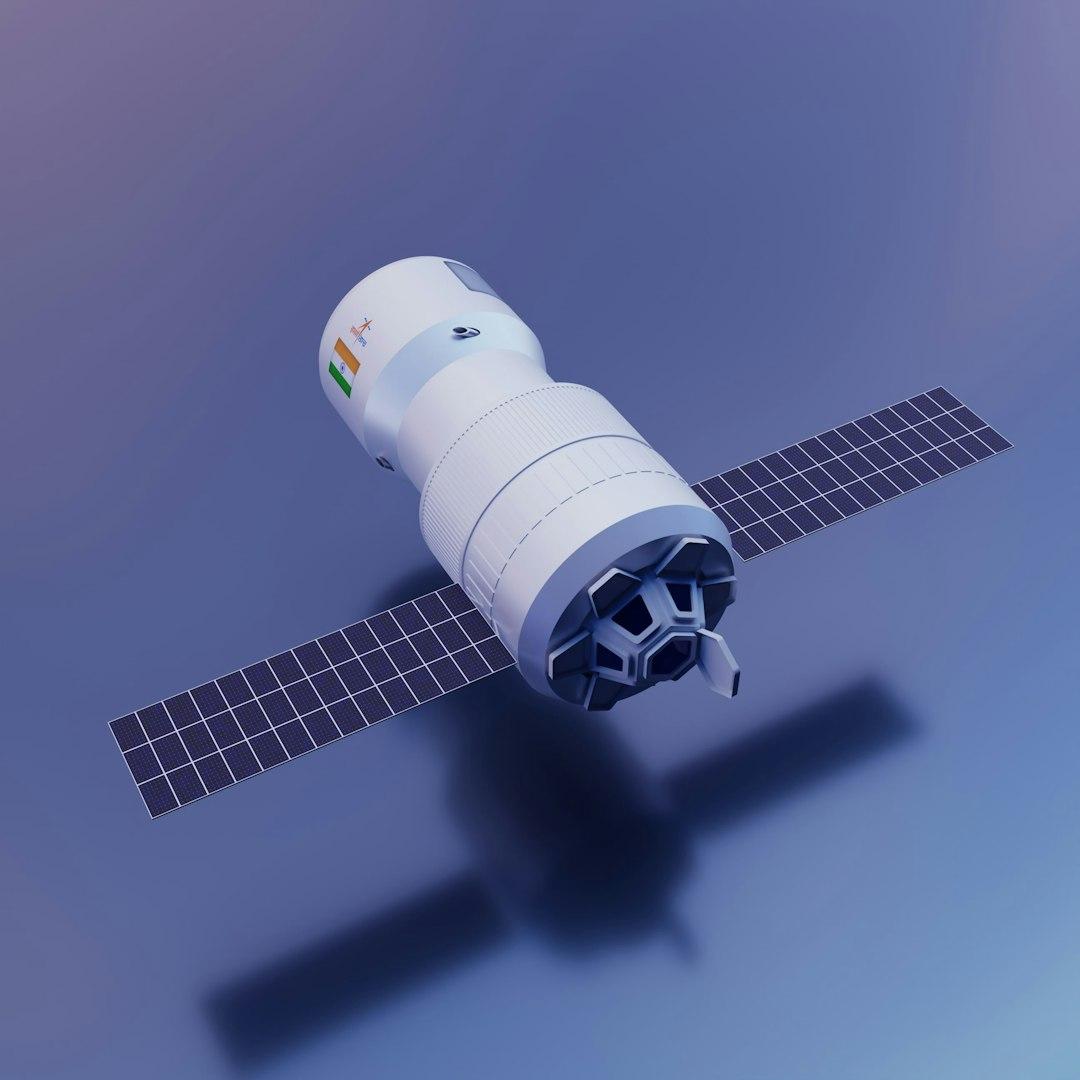
SpaceX has secured a $4.16 billion contract from the Pentagon to build missile-tracking satellites for President Donald Trump's 'Golden Dome' defense system. These sensor-equipped satellites will detect and track targets from space, with operational capability expected by late 2028.

SpaceX has been awarded $6.45 billion in new contracts from the U.S. Space Force, providing a significant boost ahead of what is anticipated to be the largest initial public offering in history. These contracts underscore the company's substantial reliance on government partnerships.