Global Assessment Warns: Australian Coral Reefs Face Imminent Collapse by 2075 Amid Ocean Warming
A new global assessment reveals that all shallow-water coral reefs in Australia face a high risk of collapse by 2075 due to ocean warming, urging immediate climate action.
S
··2 min readSciTech Editorial Team
Newsroom
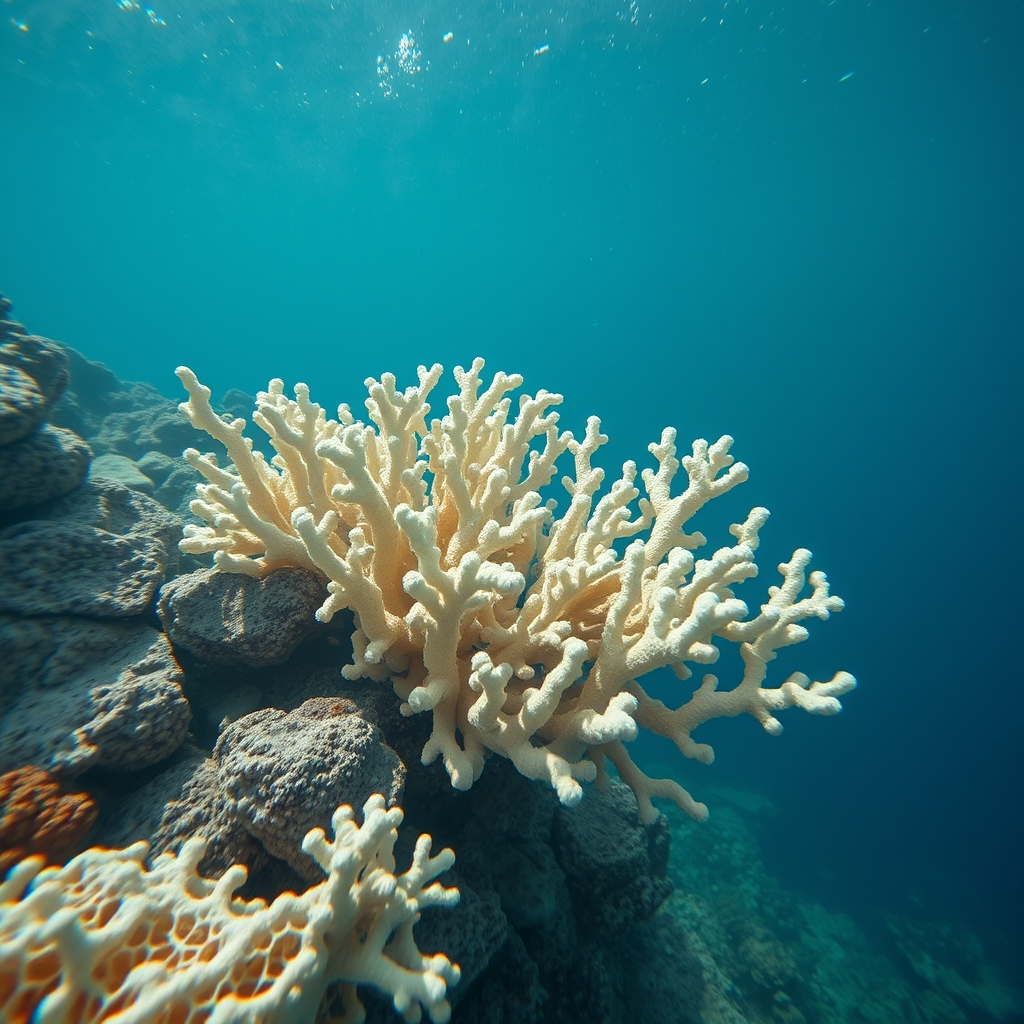
A comprehensive global assessment has issued a stark warning regarding the future of marine biodiversity in Australia, revealing that every shallow-water coral reef ecosystem in the country faces an extremely high risk of total collapse by the year 2075. This alarming projection is driven largely by the relentless trajectory of ocean warming, which continues to stress these delicate ecosystems beyond their capacity for adaptation. The findings underscore the urgent need for drastic and immediate climate action to prevent an irreversible ecological catastrophe.
The methodology behind this assessment integrates advanced climate modeling with extensive field data to project the resilience of reef systems under various warming scenarios. Researchers indicate that the thermal stress experienced by corals is intensifying, leading to more frequent and severe bleaching events. These events strip corals of their symbiotic algae, causing widespread mortality and the subsequent degradation of the complex habitats that support a vast array of marine life. The data suggests that without a significant reduction in greenhouse gas emissions, the structural integrity of these reefs will deteriorate rapidly.
In this context, the implications for the Australian marine sector are profound. Coral reefs are not only biodiversity hotspots but also critical barriers that protect coastlines from storm surges and erosion. The potential collapse of these natural defenses could result in significant economic losses for coastal communities and the tourism industry, which relies heavily on the visual and ecological health of the reefs. Furthermore, the loss of reef habitats would disrupt the food web, affecting fish populations that are vital for local fisheries and global food security.
Experts emphasize that while the outlook is dire, it is not yet too late to mitigate the most severe impacts. Drastic action, including accelerated decarbonization efforts and the implementation of robust marine protected areas, could potentially slow the rate of decline. However, the window for effective intervention is narrowing rapidly. The assessment serves as a critical call to action for policymakers, scientists, and the public to prioritize the protection of these irreplaceable natural assets before they are lost forever to the ravages of climate change.