Google's 'My Channel' Patent Reveals Plan for Hyper-Personalized AI Video Feeds
Google's 'My Channel' patent proposes AI-generated video feeds featuring users as protagonists, raising concerns about privacy and the future of creative entertainment.
S
··2 min readSciTech Editorial Team
Newsroom
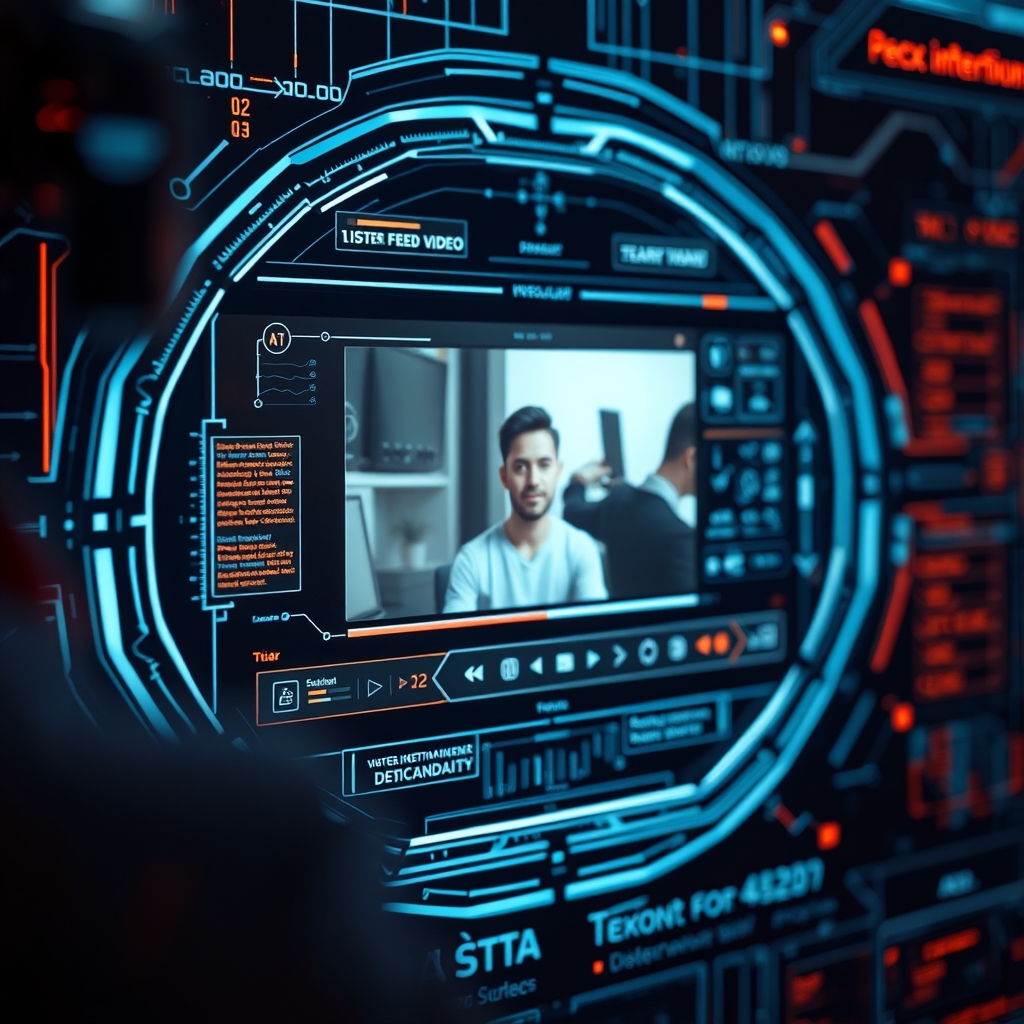
Google has filed a patent for a system dubbed "My Channel," which aims to generate personalized feeds of AI-created videos and advertisements tailored to individual users. Although the initial patent application was rejected, the technology remains a significant concern as Google may appeal or resubmit an amended version. This system leverages demographic data, viewing history, and contextual information such as IP addresses and GPS locations to create prompts for Large Language Models (LLMs), resulting in bespoke video content. The patent suggests that the system could produce entire movies in various genres, potentially connecting with other streaming services to access additional training data and user insights.
A particularly unsettling aspect of the patent is its proposal to create digital avatars of users, positioning them as the "protagonist or lead character" in the generated content. This approach raises profound ethical questions regarding the use of personal photos, videos, and audio clips to construct these avatars. Critics argue that this model undermines the essence of artistic engagement, which traditionally relies on imagination and empathy rather than direct self-insertion. The system’s reliance on user data to predict and cater to preferences may lead to a homogenization of content, discouraging exposure to diverse and challenging narratives.
The broader implications of "My Channel" extend to the future of the entertainment industry, where the line between personalized content and creative integrity becomes increasingly blurred. Generative AI models, while capable of mimicking visual elements from training data, lack the creative intention and emotional depth that human artists bring to storytelling. This limitation suggests that AI-generated content may flood the internet with low-quality "slop," failing to resonate with audiences on a meaningful level. As streaming platforms strive for user retention, the temptation to deploy such hyper-personalized AI feeds could compromise the quality and diversity of available entertainment.
In conclusion, while the technology behind "My Channel" represents a significant advancement in personalization, it poses substantial risks to privacy, creativity, and the cultural value of media consumption. The industry must carefully consider the ethical and artistic consequences of allowing AI to dictate the narrative landscape, ensuring that technological progress does not come at the expense of meaningful human connection and artistic expression.