The AI Paradox: How Data Center Expansion Is Fueling a US Natural Gas Boom
The US data center boom is driving a natural gas resurgence, with PJM seeing a surge in gas plant proposals and tech giants like Meta increasing emissions while building off-grid power sources.
S
··2 min readSciTech Editorial Team
Newsroom
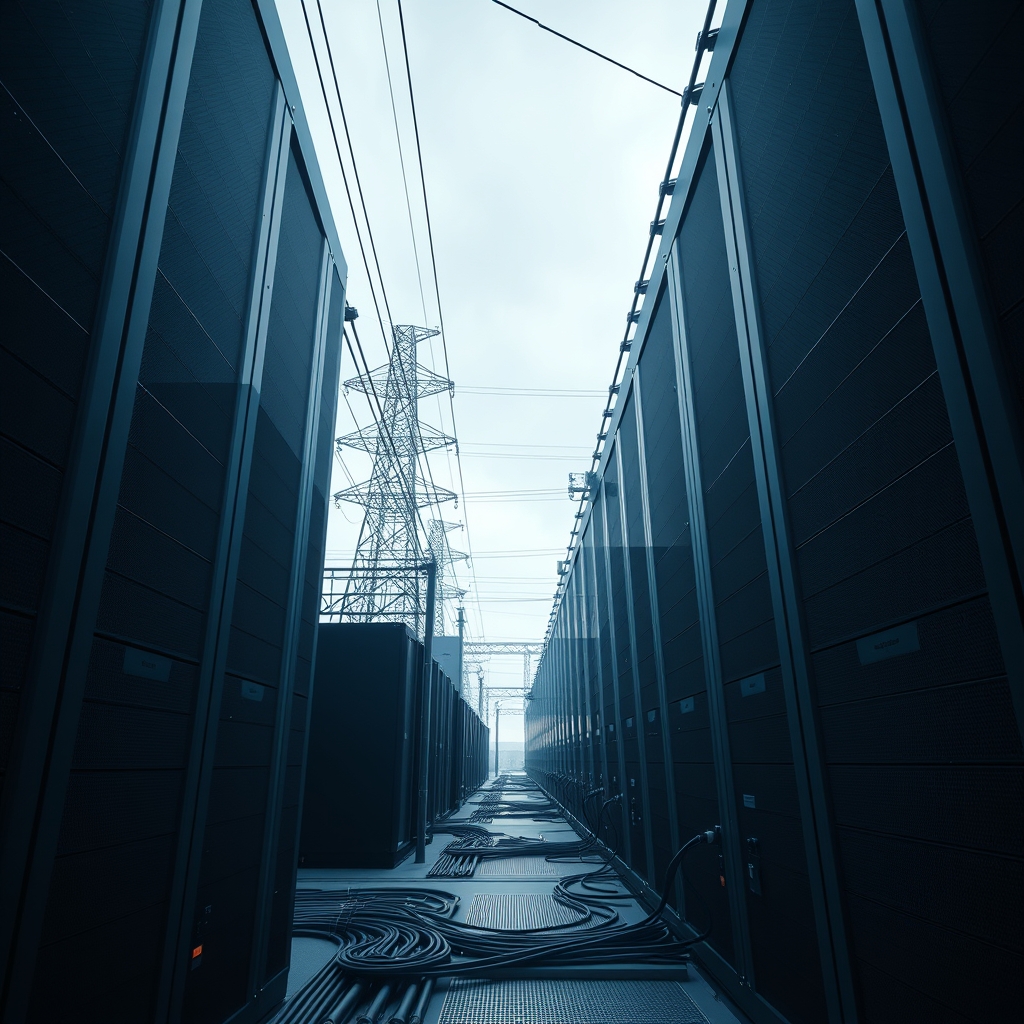
In a striking reversal of the global decarbonization narrative, the rapid expansion of artificial intelligence infrastructure in the United States has inadvertently triggered a massive resurgence in natural gas consumption. While it is technically feasible to meet rising electricity demands through renewable sources like wind and solar, the operational reality in the US reveals that the data center boom is heavily reliant on fossil fuels. This shift is not merely a temporary adjustment but a structural change in how the energy sector responds to the insatiable power hunger of AI models, challenging the assumption that technological advancement automatically aligns with environmental sustainability.
The scale of this transition is evident in the interconnection queues of major grid operators. PJM, the largest power grid operator in the country covering 13 states, has seen a dramatic uptick in natural gas proposals. In August, PJM accepted proposals for 715 projects with a total capacity exceeding 200 gigawatts, nearly half of which are dedicated to natural gas plants. According to Kevin Kircher, an energy modeler at Purdue University, if all these projects are realized, the share of fossil fuels on the PJM grid would increase from 61% to 67%. This trend reflects a broader national pattern where natural gas has become the default solution for meeting exploding power demand, overshadowing the slower deployment of renewable alternatives.
Corporate sustainability reports are beginning to reflect the environmental cost of this AI-driven rush. Meta’s recently released 2026 Sustainability Report indicates that the company’s emissions have surged by 45% compared to the previous year, a significantly higher jump than its peers Google (18%), Amazon (16%), and Microsoft (25%). Notably, Meta is currently "reevaluating" its 2030 net-zero emissions goal, citing the inability of the grid to deliver power on the necessary timeline. This admission highlights a critical bottleneck: the existing infrastructure cannot keep pace with the speed at which hyperscalers require new capacity.
To circumvent these delays, data center developers are increasingly bypassing the public grid entirely by constructing their own off-grid power plants. Over 100 such facilities have been proposed in the US, with a combined capacity of 115 gigawatts—more than double the peak power demand of California. The vast majority of these proposals have emerged since early 2025. This move mirrors historical practices in heavy industry, such as chemical plants and mining operations, but on a scale and speed previously unseen in the tech sector. The urgency to come online quickly is driving a massive boom in standalone gas infrastructure, effectively decoupling tech growth from the gradual transition to a clean grid.
While alternatives such as battery storage and demand flexibility offer potential solutions for reliability, the current evidence suggests that the AI boom in the US is synonymous with a natural gas boom. The race to deploy AI capabilities has outpaced the development of renewable infrastructure, creating a dependency on natural gas that may prove difficult to reverse. As the industry continues to expand, the tension between technological innovation and climate goals becomes increasingly pronounced, forcing a reevaluation of how the energy sector must evolve to support the digital future without compromising planetary health.