NHTSA Proposes Cyan Lighting Standard for Robotaxis, Aligning with Global Autonomous Vehicle Trends
NHTSA proposes cyan lights for robotaxis to enhance road safety and align with global autonomous vehicle standards.
S
··2 min readSciTech Editorial Team
Newsroom
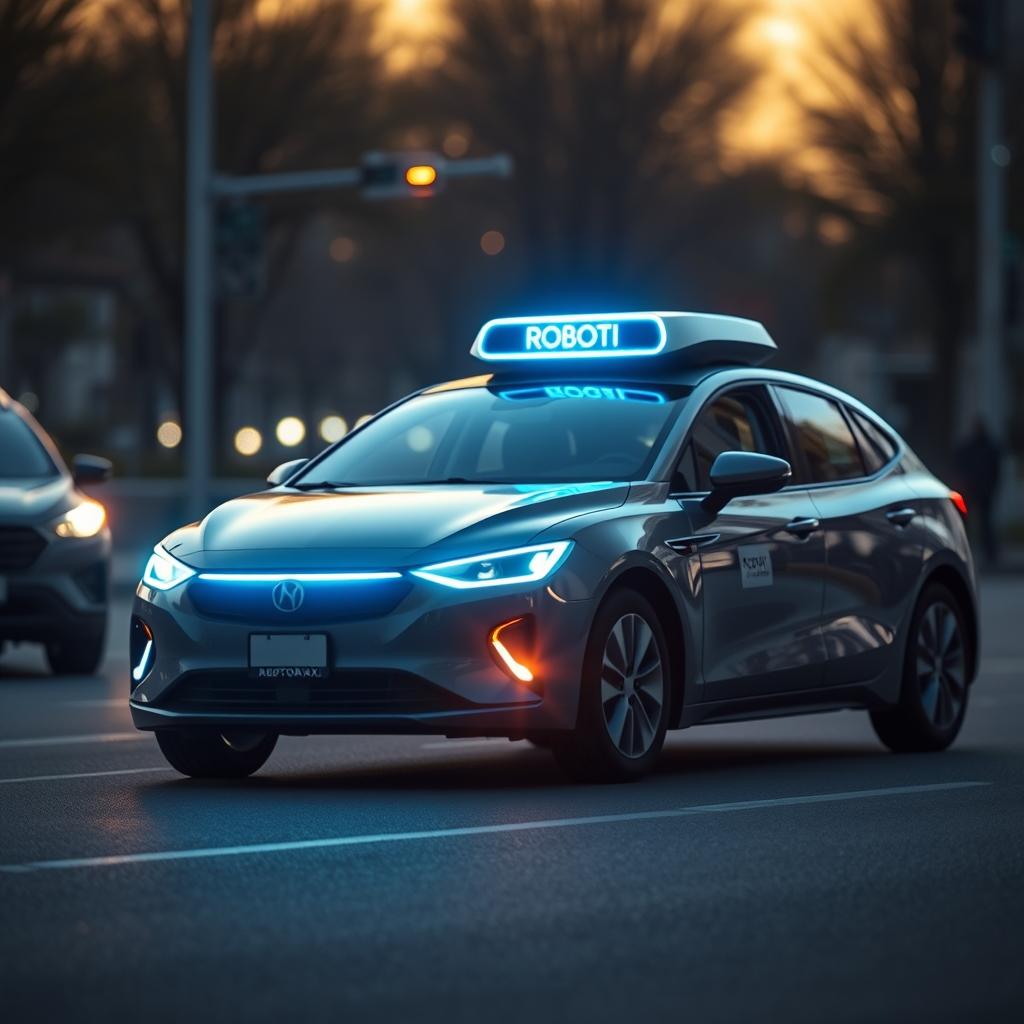
In a significant move toward standardizing the visual identification of autonomous vehicles, the National Highway Traffic Safety Administration (NHTSA) has proposed the adoption of cyan-colored lights for robotaxis. This regulatory initiative aims to provide a clear and distinct visual cue for other road users, allowing them to easily differentiate between human-driven vehicles and those operating autonomously. The proposal follows a growing global trend, notably adopted by major automotive manufacturers like Mercedes-Benz and implemented in various regions of China, where distinct lighting is already becoming a norm for self-driving cars.
The technical rationale behind the cyan light selection is rooted in visibility and distinctiveness. Unlike standard white or amber lights, the cyan hue offers a unique spectral signature that is easily recognizable even in varying lighting conditions and weather scenarios. By establishing a uniform standard, the NHTSA seeks to mitigate confusion on the road, thereby reducing the potential for accidents involving autonomous systems. This approach aligns with broader efforts to integrate autonomous vehicles seamlessly into existing traffic infrastructure while prioritizing public safety.
Beyond the lighting standard, the NHTSA’s proposal includes additional regulatory frameworks designed to prepare the transportation ecosystem for the widespread deployment of robotaxis. These additions address critical aspects such as data reporting, cybersecurity protocols, and operational design domains. The agency emphasizes that a comprehensive regulatory environment is essential to build public trust in autonomous technology. As the industry moves closer to Level 4 and Level 5 autonomy, clear communication standards between vehicles and other road users become paramount.
The broader implications of this proposal extend to the entire automotive and tech industries. Manufacturers will need to adapt their vehicle designs to comply with the new lighting standards, potentially influencing the aesthetic and engineering choices for future autonomous models. Furthermore, this move by the NHTSA signals a maturing regulatory landscape in the United States, positioning the country to lead in setting global benchmarks for autonomous vehicle safety. As pilot programs expand and commercial robotaxis become more common, the clarity provided by such standards will be crucial for ensuring a smooth transition to a future where machines share the road with humans.