Strategic Pivot: Volkswagen to Export 300,000 China-Built Vehicles Annually by 2030
Volkswagen plans to export 300,000 China-built cars annually by 2030, a strategic pivot to counter declining sales and rising Chinese competition in Western markets.
S
··1 min readSciTech Editorial Team
Newsroom
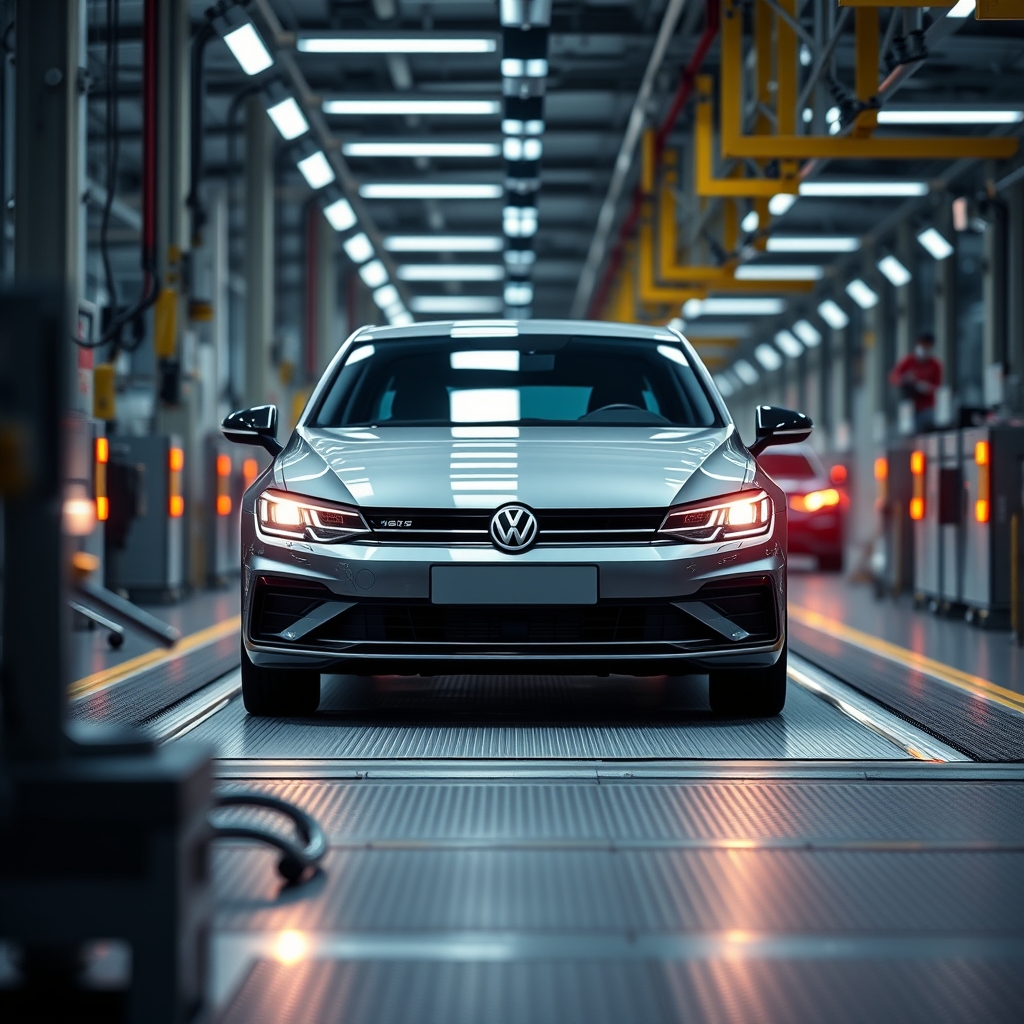
In a bold strategic reversal, Volkswagen has announced plans to export approximately 300,000 vehicles manufactured in China per year by 2030. This decision marks a significant departure from traditional European automotive practices, driven by declining sales figures and annual capacity cuts approaching one million units. As affordable Chinese competitors aggressively enter Western markets, the German automaker is choosing to leverage Chinese manufacturing efficiency rather than resisting the trend.
The move is widely interpreted as a pragmatic response to market realities, often summarized by the adage, "If you can’t beat them, join them." By integrating Chinese-built models into its global export portfolio, Volkswagen aims to mitigate the impact of shrinking production capacities in Europe. This strategy allows the company to maintain competitive pricing and product availability in key markets without incurring the high costs associated with European manufacturing.
Industry analysts suggest that this pivot reflects a broader acknowledgment of the shifting global automotive landscape. The rise of Chinese automakers, equipped with advanced electric vehicle technology and lower production costs, has forced legacy European brands to rethink their supply chains. Volkswagen’s decision to export from China signals a willingness to adapt to these new competitive dynamics, prioritizing market share over traditional manufacturing ideologies.
Looking ahead, this initiative could reshape the global automotive supply chain. By 2030, the integration of 300,000 Chinese-built vehicles into Volkswagen’s export mix may serve as a model for other legacy manufacturers facing similar pressures. However, this strategy also raises questions about brand perception and the long-term implications of relying on Chinese manufacturing for a European icon. As the industry continues to evolve, Volkswagen’s approach will be closely watched as a potential blueprint for navigating the challenges of the modern automotive era.