COP31 Collapses: EU Veto Triggers Historic Climate Deal Failure in Turkey
COP31 ended in a historic failure as the EU rejected a climate pact that omitted fossil fuels, leading to a chaotic and record-breaking overtime in Turkey.
S
··2 min readSciTech Editorial Team
Newsroom
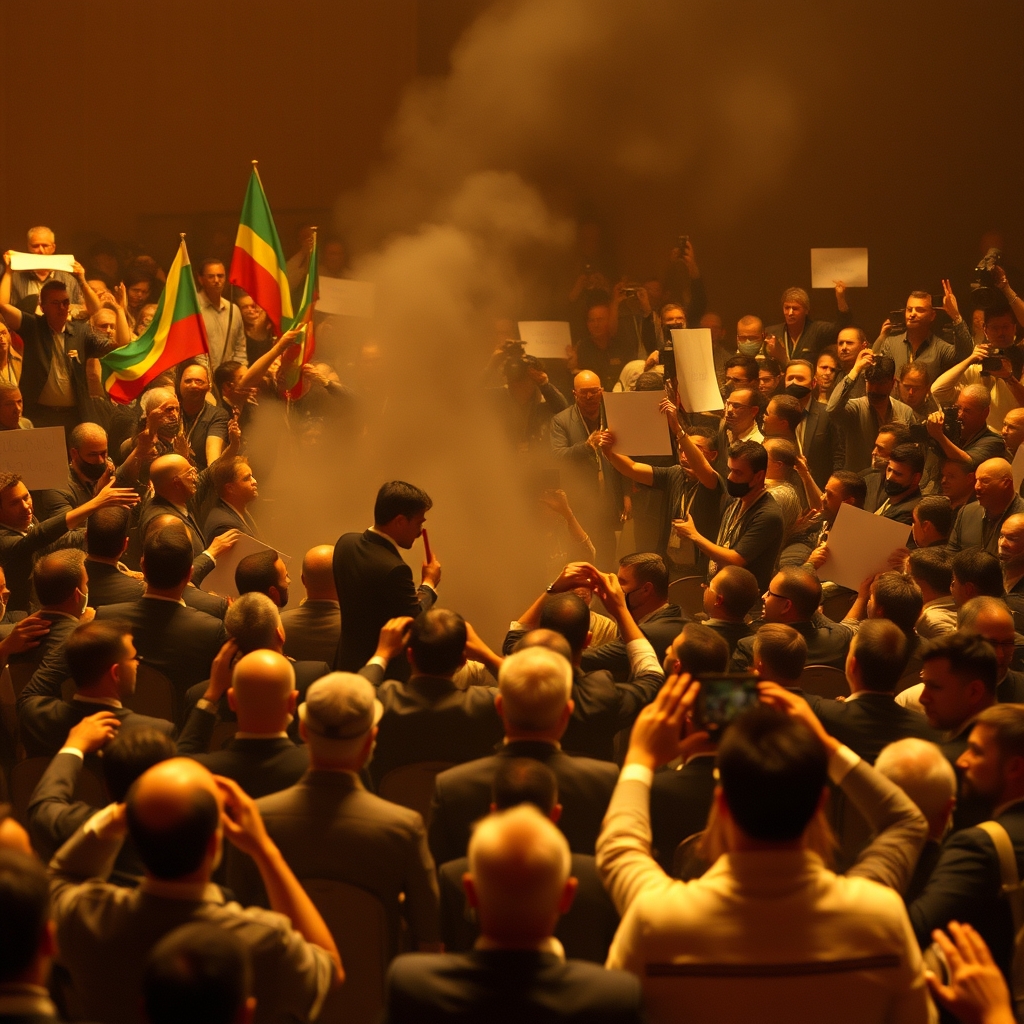
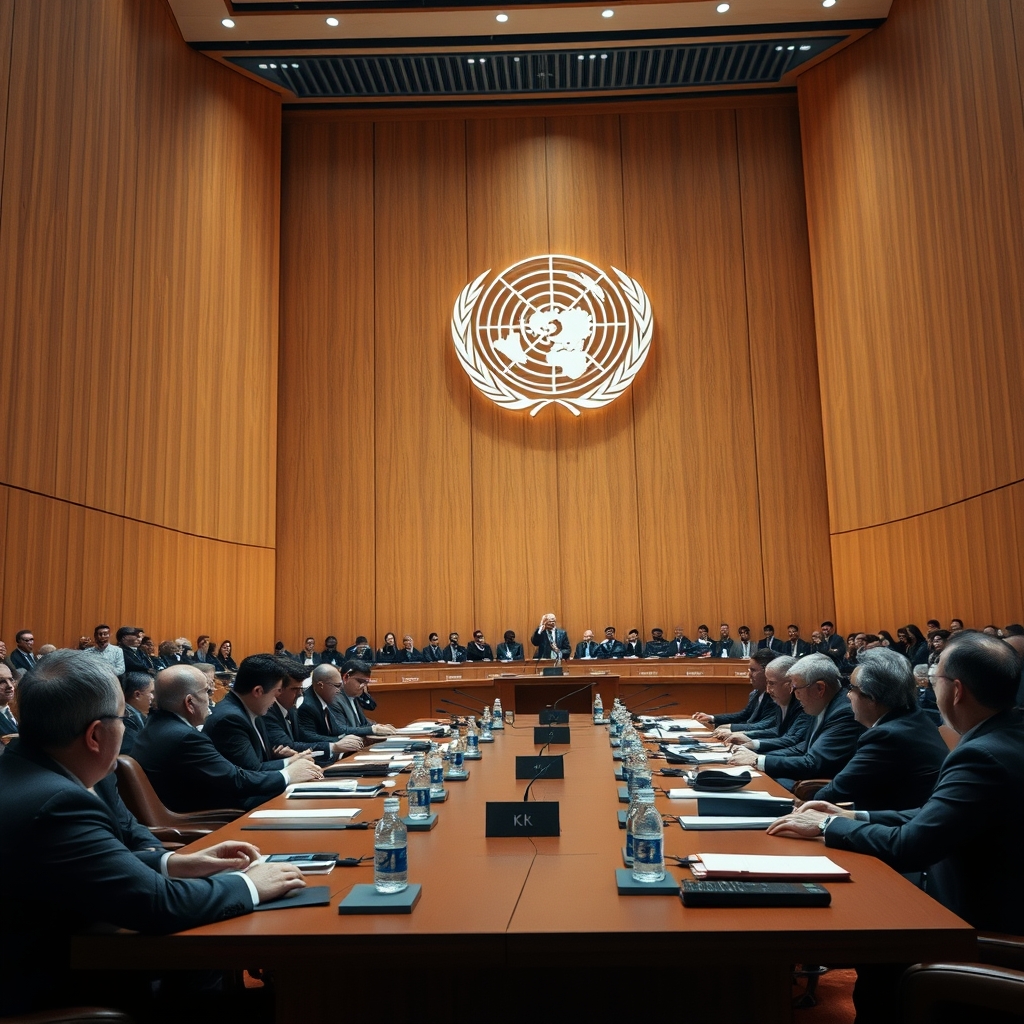
In a stunning turn of events that has sent shockwaves through the global environmental community, the COP31 climate negotiations concluded in a historic defeat on Sunday. The summit, held in Turkey, descended into chaos as the European Union and several other nations refused to endorse the final climate pact. This rejection was primarily driven by the omission of explicit references to fossil fuels in the agreement, a critical oversight that undermined the summit's core objectives. As delegates argued in record-breaking overtime sessions, the atmosphere shifted from collaborative diplomacy to a tense stalemate, marking one of the most significant failures in recent climate diplomacy history.
The technical core of the dispute lay in the specific wording of the draft agreement. Environmental advocates and developing nations had long pushed for a clear commitment to phase out fossil fuel subsidies and emissions. However, the final text, which was intended to serve as a compromise, failed to include these crucial provisions. The EU delegation, citing the need for broader consensus and economic feasibility, argued that the omission was a necessary concession to secure any deal at all. Yet, this stance was viewed by many as a capitulation to industrial interests, effectively gutting the regulatory teeth of the agreement. The lack of a unified front among major emitters highlighted the deepening fractures within the international climate coalition.
The broader implications of this collapse are profound and far-reaching. The failure to agree on a robust framework at COP31 leaves a vacuum in global climate policy, potentially allowing emissions to continue rising unchecked. Industry analysts warn that this diplomatic setback could delay critical investments in renewable energy infrastructure and slow the transition to a low-carbon economy. Furthermore, the chaotic finale in Turkey has eroded trust in the multilateral process, with many observers questioning whether future summits will be able to bridge the widening gap between political rhetoric and actionable policy. The next milestones for climate action now appear uncertain, with the burden of progress shifting to national governments and the private sector.
Looking ahead, the path to recovery from this diplomatic impasse is fraught with challenges. Scientists and policymakers are now calling for an emergency review of the negotiation process to identify where the breakdown occurred. There is a growing consensus that without a renewed commitment to addressing fossil fuels, future climate agreements will remain symbolic rather than substantive. The international community faces a critical juncture where the credibility of global climate governance is on the line. As the dust settles in Turkey, the world watches to see if leaders can rally around a new, more ambitious framework before the window of opportunity closes entirely.