U.S. Renewables Set to Surpass Natural Gas, Reach 40% of Generating Capacity Within a Year, EIA Reports
U.S. renewables are set to surpass natural gas, reaching 40.4% of generating capacity within a year, signaling a rapid clean‑energy transition.
S
··1 min readSciTech Editorial Team
Newsroom
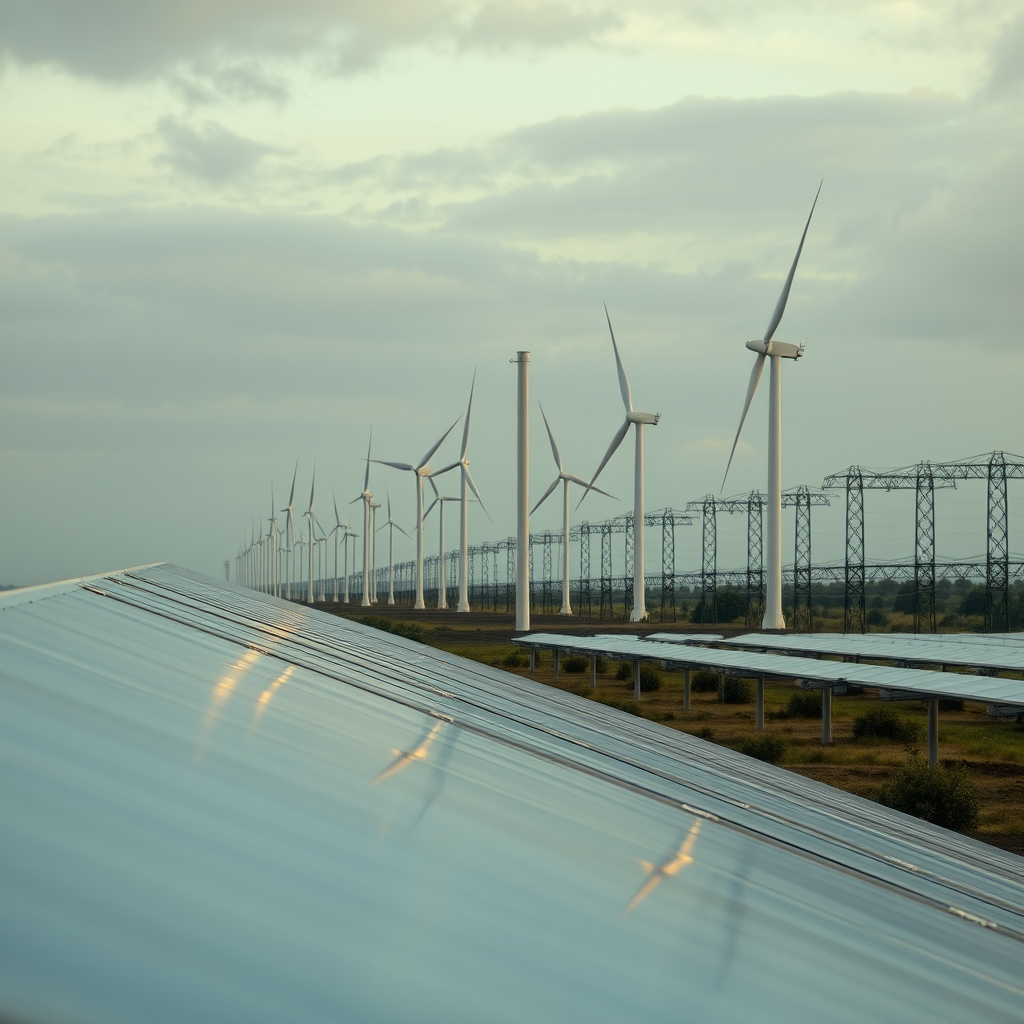
Over the coming year, the United States is poised to see renewables’ share of total generating capacity climb from 37.7% to 40.4%, overtaking natural gas and dwarfing nuclear capacity by a factor of five, according to fresh data released by the U.S. Energy Information Administration (EIA) and reviewed by the SUN DAY Campaign.
The projection rests on a surge in wind power, solar installations, and incremental upgrades to hydro and biomass facilities. EIA’s modeling incorporates projected private‑sector investment, the continuation of the Inflation Reduction Act’s tax credits, and expected retirements of older fossil‑fuel plants, delivering a granular picture of capacity additions through 2027.
“These numbers demonstrate an unprecedented acceleration toward a clean‑energy grid,” said an EIA spokesperson. “We anticipate a 2.7‑percentage‑point rise in renewable capacity within the next twelve months.” SUN DAY’s campaign director added, “The data validate that U.S. climate ambitions are translating into tangible infrastructure growth on the ground.”
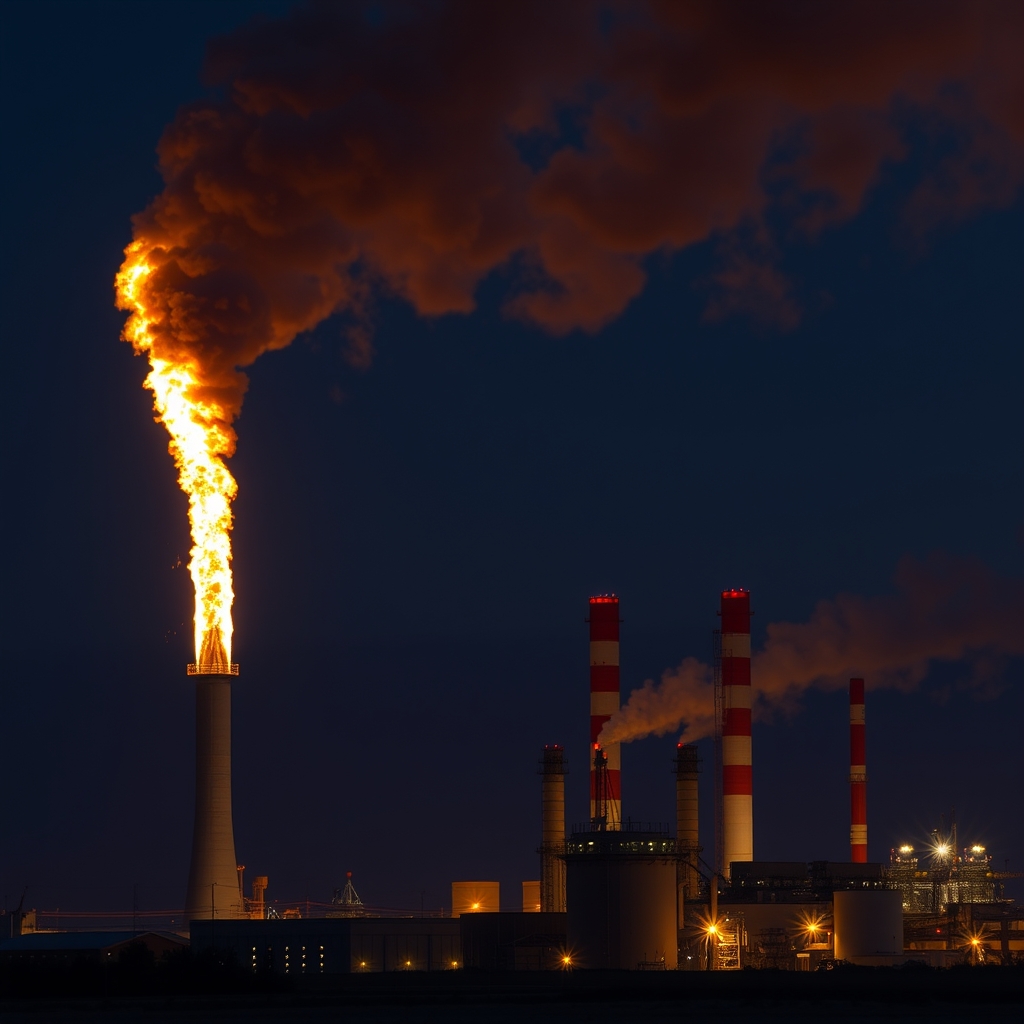
Industry analysts warn that the rapid shift will reshape electricity markets: reduced reliance on natural gas should temper price volatility, while the surge in intermittent generation will heighten the need for advanced energy storage and grid‑modernization solutions. Investors are already redirecting capital toward battery manufacturers and transmission upgrades.
Looking ahead, the EIA forecasts that renewables could approach 50% of U.S. capacity by 2030, provided storage, transmission, and regulatory frameworks keep pace. While financing and permitting remain hurdles, the current policy momentum suggests a greener, more resilient energy future is within reach.