Chinese EVs Breach Western Markets via Used Cars at 40% Below MSRP
Used Chinese EVs are entering Western markets at up to 40% below MSRP, posing a new affordability challenge to legacy automakers amidst rising global costs.
S
··2 min readSciTech Editorial Team
Newsroom
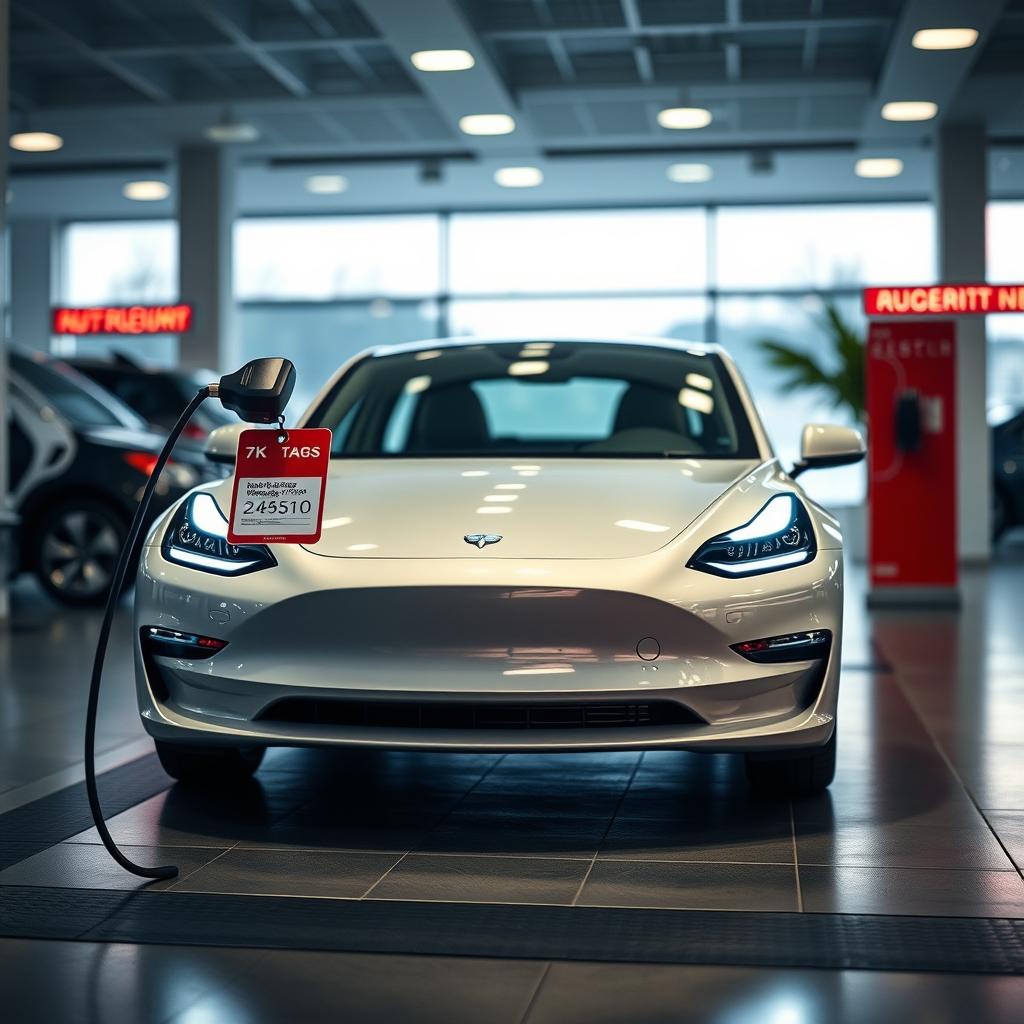
Chinese electric vehicles (EVs) are currently executing a strategic market penetration into Western economies through an unconventional channel: the used car market. As geopolitical tensions, specifically the ongoing conflict in Iran, drive up global energy and manufacturing costs, the price of new vehicles from Western legacy brands has surged. This economic headwind has inadvertently created a massive price umbrella under which Chinese EVs, even in their used form, appear significantly more affordable to consumers. The result is a 'back door' entry that bypasses traditional new-car sales barriers, placing used Chinese EVs on the market at prices up to 40% below the Manufacturer's Suggested Retail Price (MSRP) of comparable new Western models.
This development poses a critical challenge to legacy automotive giants, which are already struggling with two major issues: technological lag in the EV sector and declining affordability for the average consumer. The influx of high-quality, low-cost used Chinese EVs exacerbates these vulnerabilities. Western consumers, facing sticker shock for new domestic models, are increasingly turning to these imported alternatives. The disparity in pricing is not merely a discount but a fundamental shift in value perception, suggesting that the cost-performance ratio of Chinese EVs remains superior even after depreciation.
The methodology behind this market shift relies on the rapid turnover of EV models in China, where manufacturers frequently update hardware and software, rendering previous year’s models 'used' while still offering cutting-edge features. These vehicles are then exported to Western markets where the supply of new EVs is constrained by higher production costs and supply chain issues. For Western legacy brands, this represents a new and complex problem: they are not just competing with new Chinese EVs, but with a steady stream of affordable, feature-rich used units that undercut their pricing structures significantly.
The broader implications for the global automotive industry are profound. If Western consumers normalize the purchase of used Chinese EVs, it could accelerate the adoption of electric mobility while simultaneously eroding the market share of traditional brands. This 'back door' strategy allows Chinese manufacturers to build brand recognition and consumer trust in Western markets without the immediate pressure of establishing new-car dealership networks. As the cost of new cars continues to rise due to external geopolitical factors, the used Chinese EV segment is poised to become a dominant force, forcing Western automakers to rethink their pricing strategies and technological roadmaps to remain competitive in an increasingly price-sensitive market.