Volkswagen’s Electric Jetta M6 Shakes EV Market with 285-Mile Range Under $12,000
Volkswagen’s new Jetta M6 offers 285 miles of range for under $12,000, challenging the EV market with affordable performance.
S
··1 min readSciTech Editorial Team
Newsroom
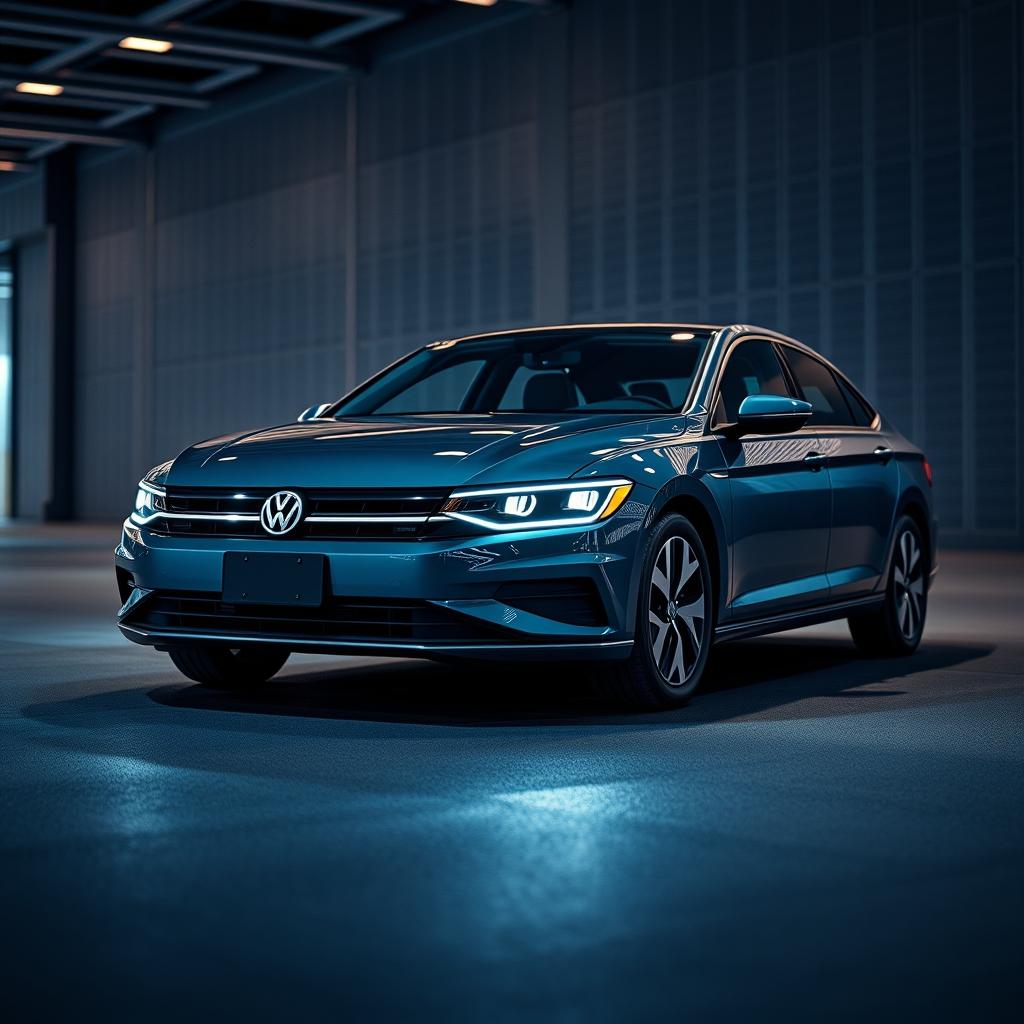
In a move that redefines the boundaries of affordability in the electric vehicle sector, Volkswagen has unveiled its new Jetta M6 electric sedan, specifically tailored for the Chinese market. The vehicle boasts an impressive CLTC-rated range of nearly 290 miles (approximately 285 miles) for a price tag of less than $12,000 USD. This aggressive pricing strategy and technical performance combination challenges the prevailing notion that high-range electric vehicles are exclusively luxury items, firmly reasserting the brand’s legacy as the 'people's car.'
The technical specifications of the Jetta M6 highlight a significant leap in battery efficiency and energy management. By leveraging advanced battery technology, Volkswagen has managed to deliver a range that competes with mid-tier models from established EV manufacturers, all while maintaining a cost structure that appeals to the mass market. This achievement is not merely a marketing ploy but a testament to the company’s ongoing investment in scalable electric drivetrain solutions, aiming to democratize access to sustainable transportation.
The introduction of the Jetta M6 sends a powerful signal to the global automotive industry, particularly to competitors in the United States and Europe. With the cost of electric vehicles remaining a primary barrier to adoption for many consumers, Volkswagen’s ability to offer such a capable sedan at this price point forces rivals to rethink their pricing strategies and supply chain efficiencies. It suggests that the era of premium-priced EVs is giving way to a more accessible, volume-driven market.
As the global shift toward electrification accelerates, the Jetta M6 serves as a critical milestone for Volkswagen. It demonstrates that the company is not only keeping pace with the technological curve but is also leading the charge in making electric mobility a viable option for the average consumer. This model could potentially reshape market dynamics, encouraging further innovation in battery density and cost reduction across the industry.