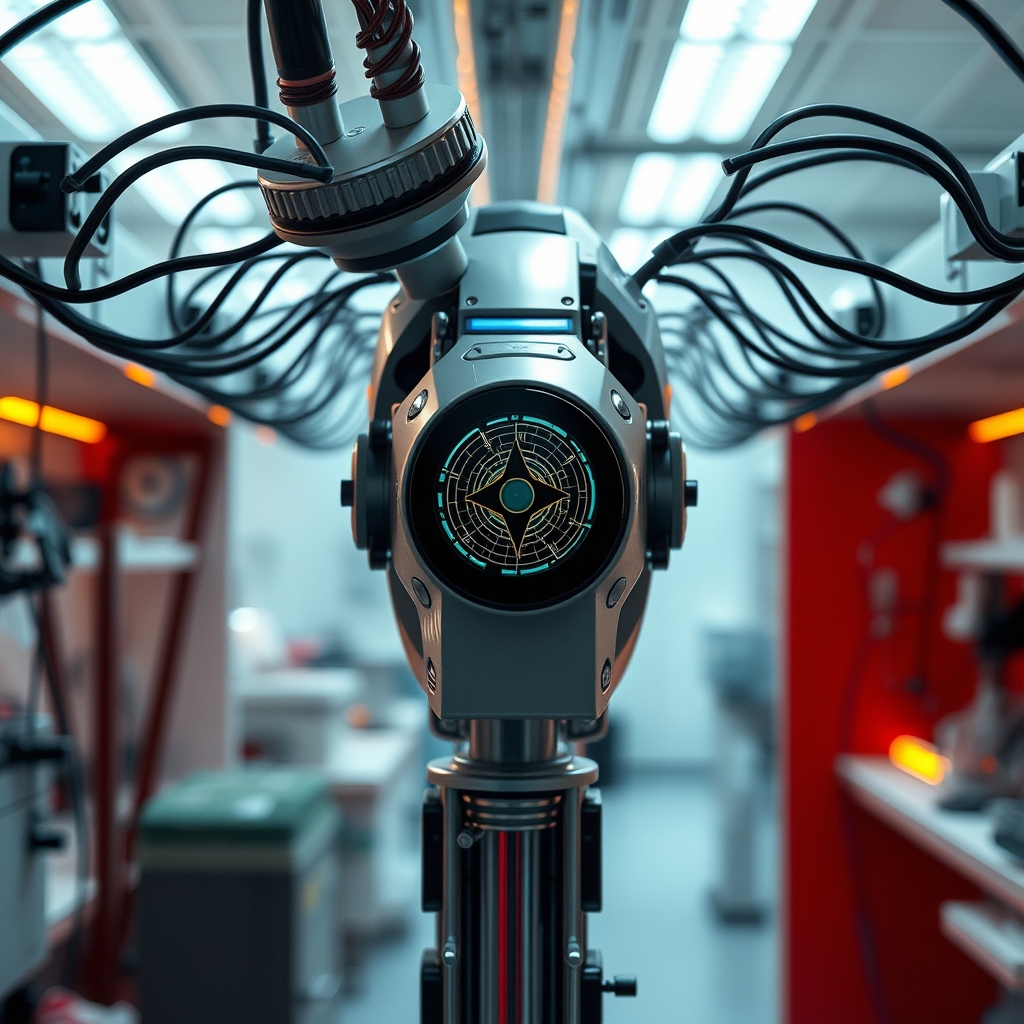
AI agents craft and execute flawless robot‑lab protocols
AI agents now design, simulate, and command lab robots, cutting protocol setup time by up to 70 % and paving the way for fully autonomous laboratories.
S
··1 min readSciTech Editorial Team
Newsroom
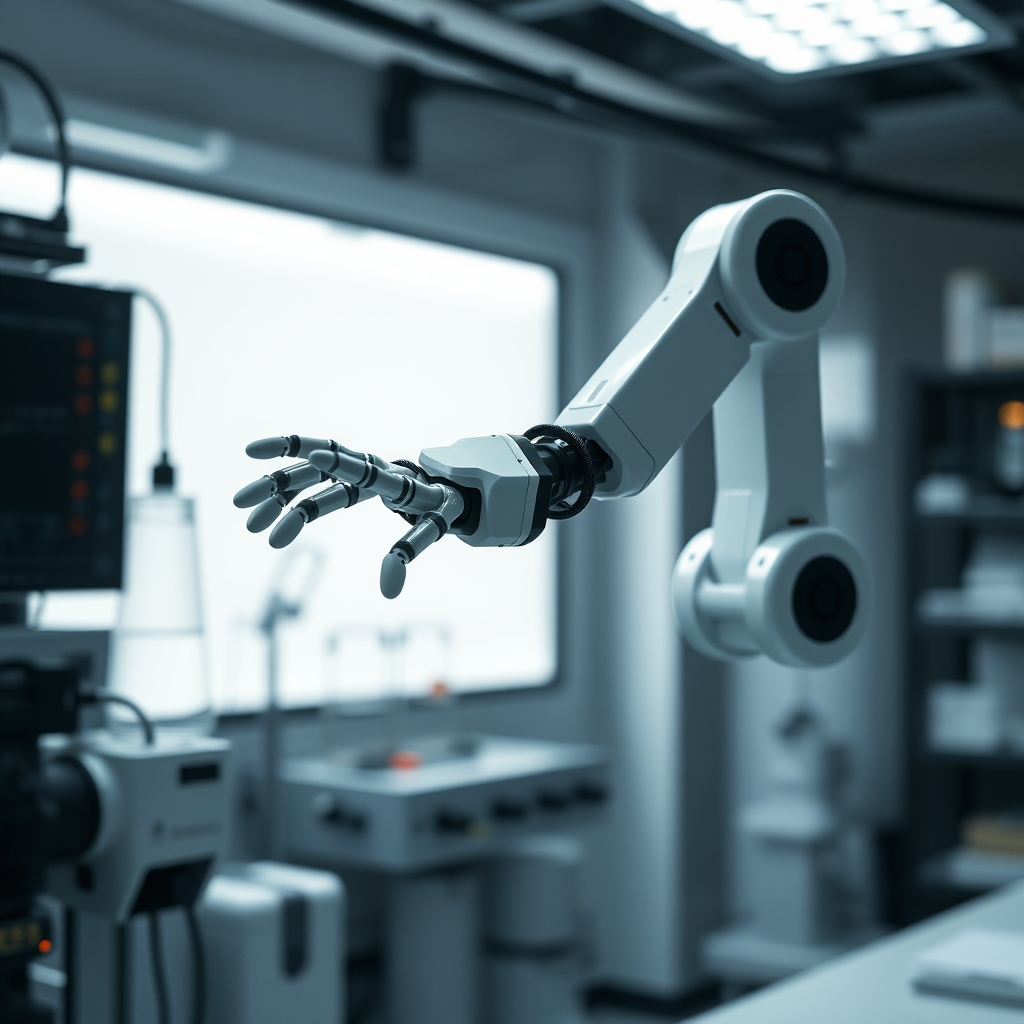
Artificial‑Intelligence agents have reached a milestone that could redefine experimental science. By simply describing a research programme and the layout of a laboratory, scientists now receive a complete, step‑by‑step experimental protocol that can be executed by a robotic arm and validated in a virtual laboratory before any physical trial begins.
The system works through a layered AI pipeline. First, a large‑language model (LLM) parses the scientist’s natural‑language input and translates it into a formal workflow. Next, reinforcement‑learning agents explore thousands of possible robot motions, optimizing for speed, precision, and safety. Simultaneously, a digital twin of the lab – a high‑fidelity virtual replica – runs the proposed protocol in silico, flagging potential collisions or reagent incompatibilities. Only after passing these simulations does the software dispatch commands to the real‑world robots.
“Seeing a robot execute a complex synthesis that we only described in a paragraph feels like science fiction becoming routine,” says Dr. Maya Patel, lead researcher at the University of Toronto’s AI‑Laboratory Initiative. “Our tests show protocol‑design time drops by up to 70 % compared with manual planning, and the error rate in reagent handling falls below 2 %.”
Beyond speed, the technology promises broader democratization of high‑throughput experimentation. Laboratories lacking seasoned automation engineers can now rely on the AI to orchestrate multi‑step procedures, opening doors for smaller institutions and startups. Yet challenges remain: ensuring safety when autonomous systems handle hazardous chemicals, and integrating the AI stack with legacy hardware across diverse vendors.
Looking ahead, the team plans to scale the framework to coordinate fleets of heterogeneous robots, couple the execution data with AI‑driven analytics, and embed real‑time decision‑making that can adapt protocols on the fly. If successful, fully autonomous, AI‑managed laboratories could become the norm within the next decade, accelerating breakthroughs from drug discovery to materials science.