Super El Niño and Geopolitical Crises Converge to Threaten Global Food Security
A record-breaking super El Niño, compounded by geopolitical conflicts and rising energy costs, threatens to push 49 million more people into acute food insecurity by 2027.
S
··2 min readSciTech Editorial Team
Newsroom
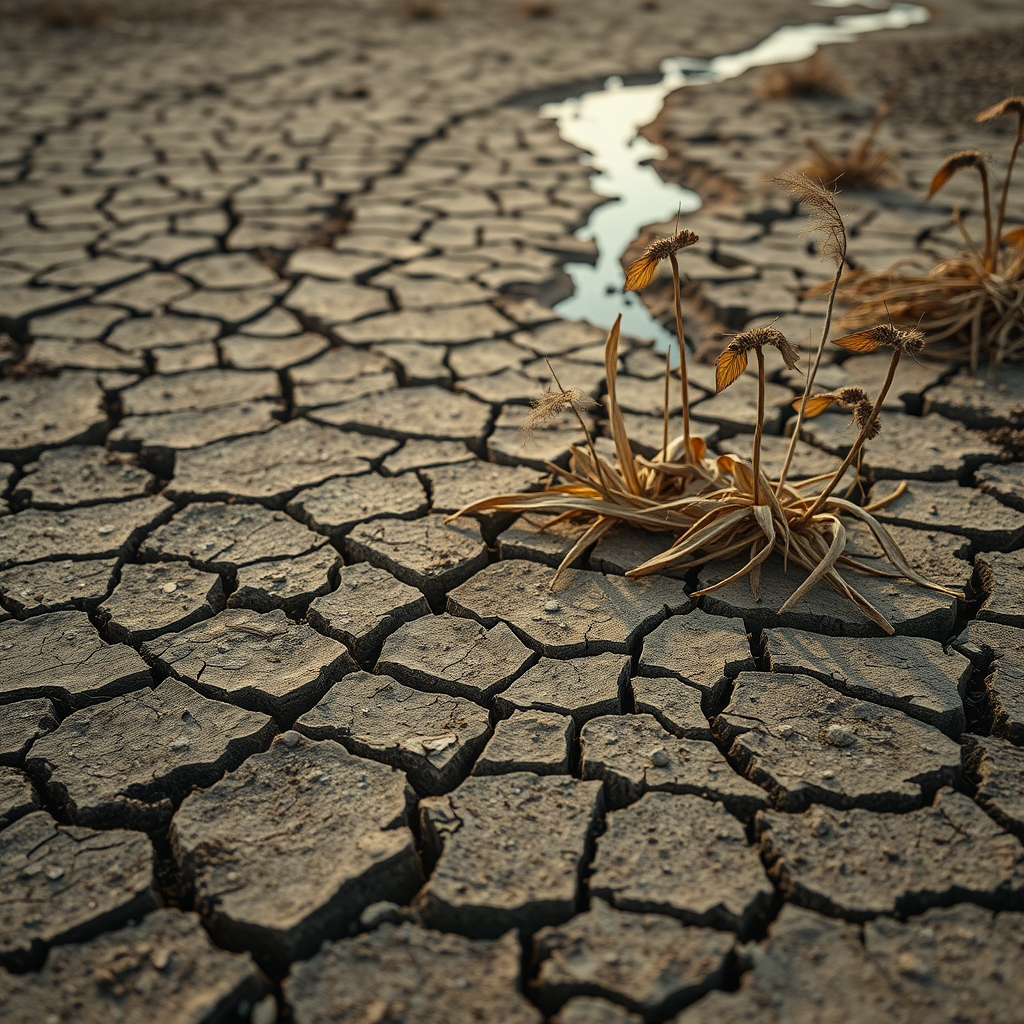
The world is currently grappling with a 'super' El Niño, a phenomenon of unprecedented intensity that has already devastated rivers, aquaculture, and crop yields. Global food security organizations warn that this extreme climate event, combined with geopolitical instability, poses a severe threat to global hunger levels. By early winter, sea-surface warming in the tropical Pacific is projected to exceed any recorded in the last millennium, marking a critical turning point in climate history.
According to the World Food Programme, this super El Niño could push an additional 49 million people into acute food insecurity by the end of 2027, bringing the total to 274 million. Zeke Hausfather, a climatologist at Berkeley Earth, describes the situation as a 'triple whammy' of high fertilizer costs, soaring energy prices, and massive droughts across the tropics. The warming in the mid-tropical Pacific reached 3.5 degrees Celsius in October, breaking the previous record of 2.75 degrees, and is on track to hit an unprecedented 4 degrees.
The impact of El Niño on agriculture is well-documented; a 2014 study found that while it may boost soybean production by up to 5%, it suppresses maize, rice, and wheat yields by up to 4%. However, local impacts can be far more severe, with South Africa’s maize output averaging 28% below normal during El Niño years since 1980. David Lobell, an agricultural economist at Stanford, notes that when global markets are already tight, even small disruptions in cereal production can have catastrophic economic ripple effects.
This year’s crisis is exacerbated by geopolitical conflicts that have disrupted supply chains. The recent attacks on Iran halted marine traffic through the Strait of Hormuz, choking oil transport and spiking energy prices. Since the Middle East produces a quarter of the world’s fertilizer, this disruption has severely limited agricultural inputs. Simultaneously, the war in Ukraine continues to restrict wheat transport from the Black Sea, further inflating food costs globally.
The convergence of climate extremes and conflict creates a cascading effect on vulnerable populations. Richard Choularton, director of climate and resilience for the World Food Programme, explains that farmers facing drought cannot afford fertilizer, leading to reduced planting and labor. As rivers dry up and ports are damaged by conflict, the ability to transport and sell crops collapses, leaving communities without food or income. This interplay of environmental and political factors suggests that the coming years will be particularly challenging for global food systems, requiring urgent international cooperation to mitigate the worst outcomes.