Apple CEO Ternus Stresses Purpose‑Driven AI Over Hype
Apple’s CEO says the firm will use AI, but only when it creates products people truly love, rejecting AI for hype’s sake.
S
··2 min readSciTech Editorial Team
Newsroom
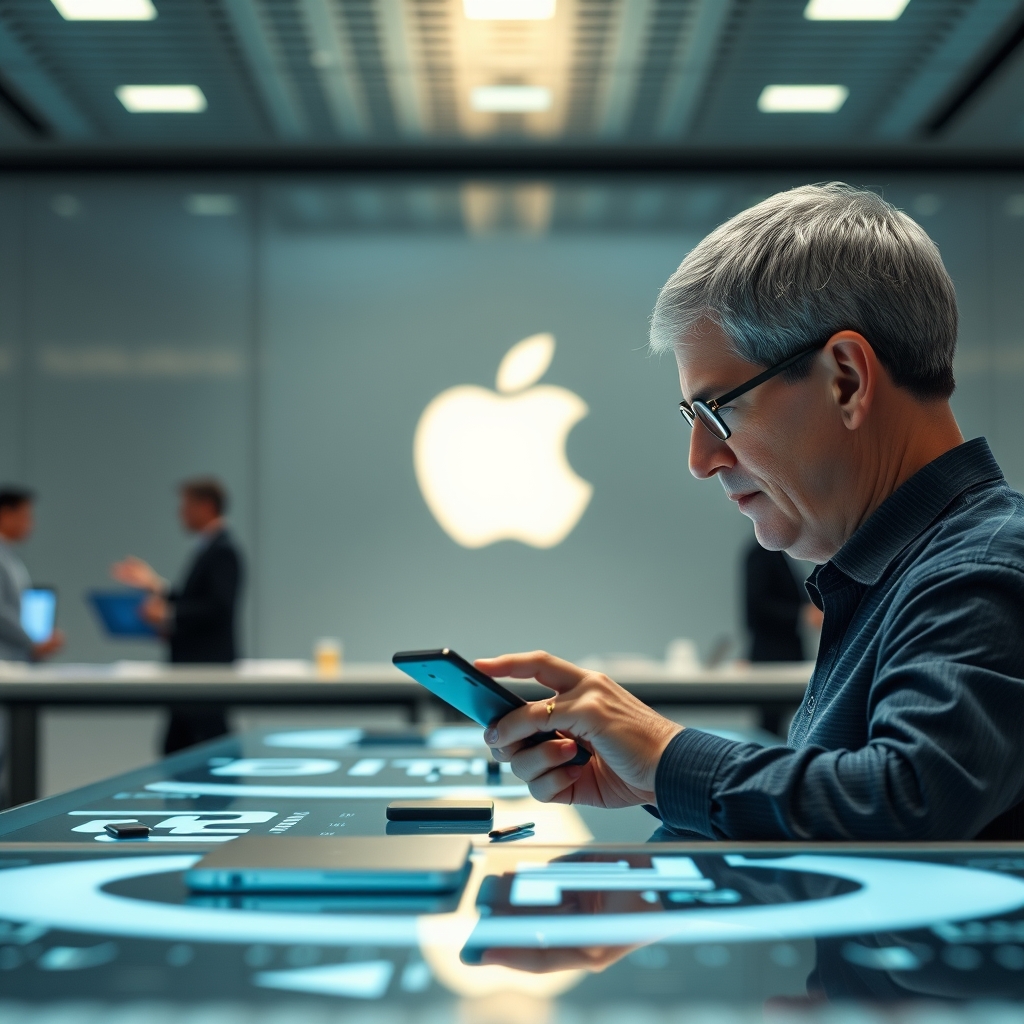
Apple’s chief executive, John Ternus, told Wired’s Steven Levy that the company will "absolutely leverage AI" in its upcoming devices, but it refuses to "ship AI for AI’s sake." The remark, made during an interview published on October 31, underscores a strategic shift: Apple wants its artificial intelligence (AI) investments to be judged by user delight, not by the novelty of the technology.
The declaration arrives at a moment when Apple has been widely perceived as lagging behind rivals in the AI race. Critics pointed to the delayed rollout of a more powerful version of Siri, which finally debuted this summer after years of speculation. Ternus, who officially assumed the CEO role in early September, acknowledged the criticism, noting that “everyone has an opinion,” yet he added, “I really like where we’re at.”
According to Ternus, the company’s AI roadmap is built around seamless integration. He explained that when Apple gets it right, users “won’t have to think about whether it was AI that made this happen or more traditional software.” In practice, this means embedding machine‑learning models into core services—such as photo organization, predictive text, and on‑device voice processing—while preserving the familiar Apple experience of simplicity and privacy.
The broader implication of this stance is a reaffirmation of Apple’s human‑centric design philosophy. While some analysts warn that sophisticated AI agents could eventually render traditional apps obsolete, Ternus replied, “That could make life really easy, I suppose, but the creation of products is a deeply human and personal thing, something that we love to do.” By positioning AI as an invisible assistant rather than a headline feature, Apple hopes to keep developers focused on building experiences that resonate emotionally with consumers.
Looking ahead, industry insiders expect AI‑enhanced capabilities to appear across the next generation of iPhone, Mac, and Watch hardware, likely powered by on‑device neural engines that balance performance with privacy. The challenge will be to deliver compelling AI‑driven functions without alienating users who value Apple’s reputation for reliability. Ternus remains confident, concluding that the true measure of success will be whether people “really love” the products that emerge from this measured approach.