Tesla Overhauls US Referral Strategy: Ends Car Rewards, Shifts Incentives to FSD Subscriptions
Tesla ends car-based referral rewards in the US, shifting incentives exclusively to FSD subscriptions to boost recurring software revenue.
S
··2 min readSciTech Editorial Team
Newsroom
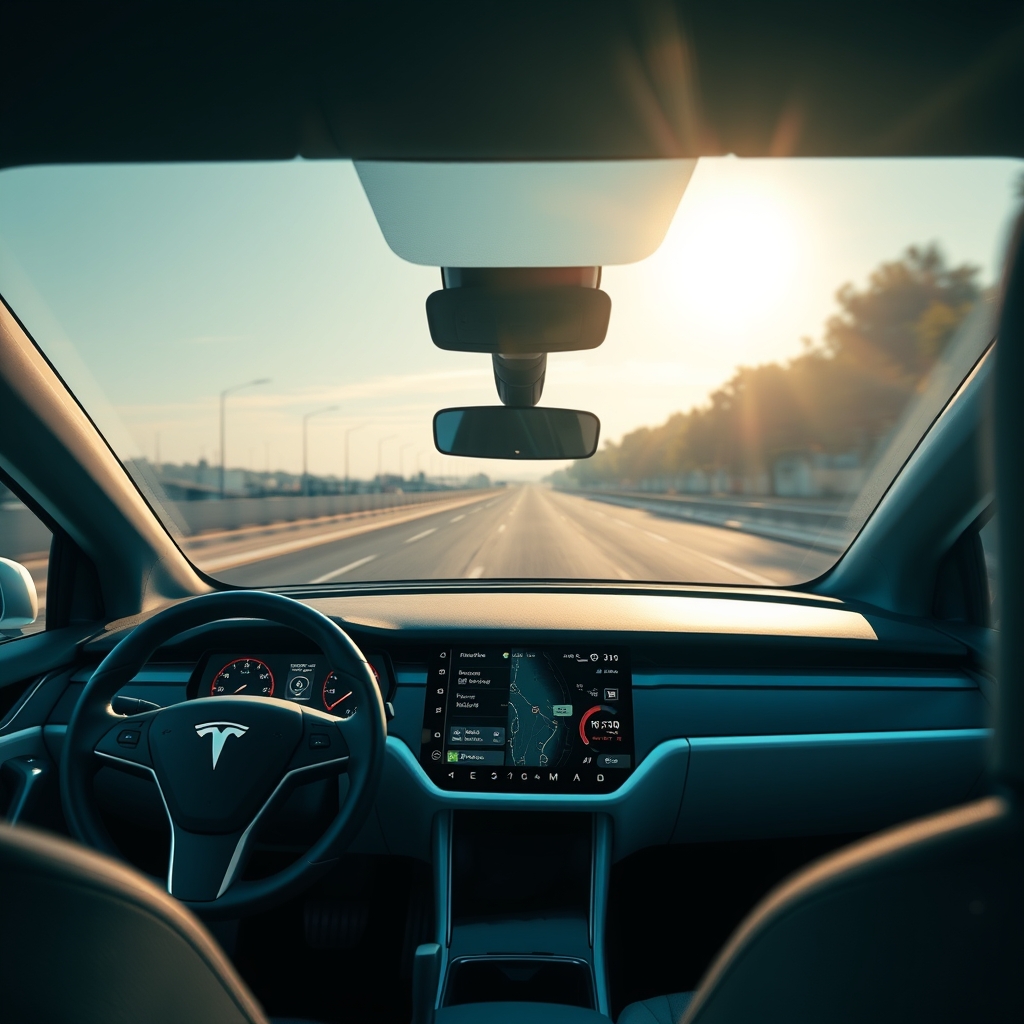
Tesla has fundamentally restructured its referral program in the United States, marking a decisive pivot away from traditional vehicle sales incentives toward software-driven revenue streams. The new policy, effective immediately, eliminates the long-standing practice of rewarding owners with free cars or significant credits for referring new buyers. Instead, the company is now exclusively incentivizing the adoption of its Full Self-Driving (Supervised) software, signaling a broader strategic shift to monetize its advanced driver-assistance capabilities directly through subscription models.
Under the revised terms, the mechanics of the referral system have been streamlined to focus entirely on software engagement. When a new owner purchases a Tesla using a referral code, the referred customer receives one free month of FSD service. Concurrently, the referrer is granted either a free month of FSD or a $99 Tesla Credit, but only if the referred customer begins paying for the FSD subscription. This conditional structure ensures that the referral ecosystem is directly tied to the growth of Tesla’s recurring software revenue rather than one-time hardware sales.
Perhaps most notably, the updated 'Refer and Earn' terms explicitly remove any vehicle as a qualifying purchase for rewards. This means that if a buyer uses a friend’s code to purchase a Tesla today, neither the buyer nor the referrer will receive any tangible reward, such as free Supercharging miles or a discount on the car price. This abrupt discontinuation of hardware-based incentives underscores Tesla’s urgent need to accelerate the penetration of its FSD product among its existing and new customer base.
This strategic move aligns with Tesla’s broader financial goals to diversify its income sources beyond the volatile automotive market. By shifting the value proposition of referrals to FSD, Tesla aims to convert its large installed base of vehicles into a recurring revenue engine. Industry analysts suggest that this change reflects the company’s confidence in the maturity of its FSD technology and its potential to become a primary profit center, similar to the software subscription models employed by other tech giants. However, the removal of car rewards may dampen enthusiasm among owners who previously relied on these perks for significant savings, potentially slowing down the rate of new vehicle referrals despite the push for software adoption.