Apple Unleashes Siri AI Across Third-Party Apps in Major iOS 27.3 Update
Apple's iOS 27.3 update breaks the walled garden, allowing Siri AI to execute tasks across third-party apps using context-aware 'app skills'.
S
··2 min readSciTech Editorial Team
Newsroom
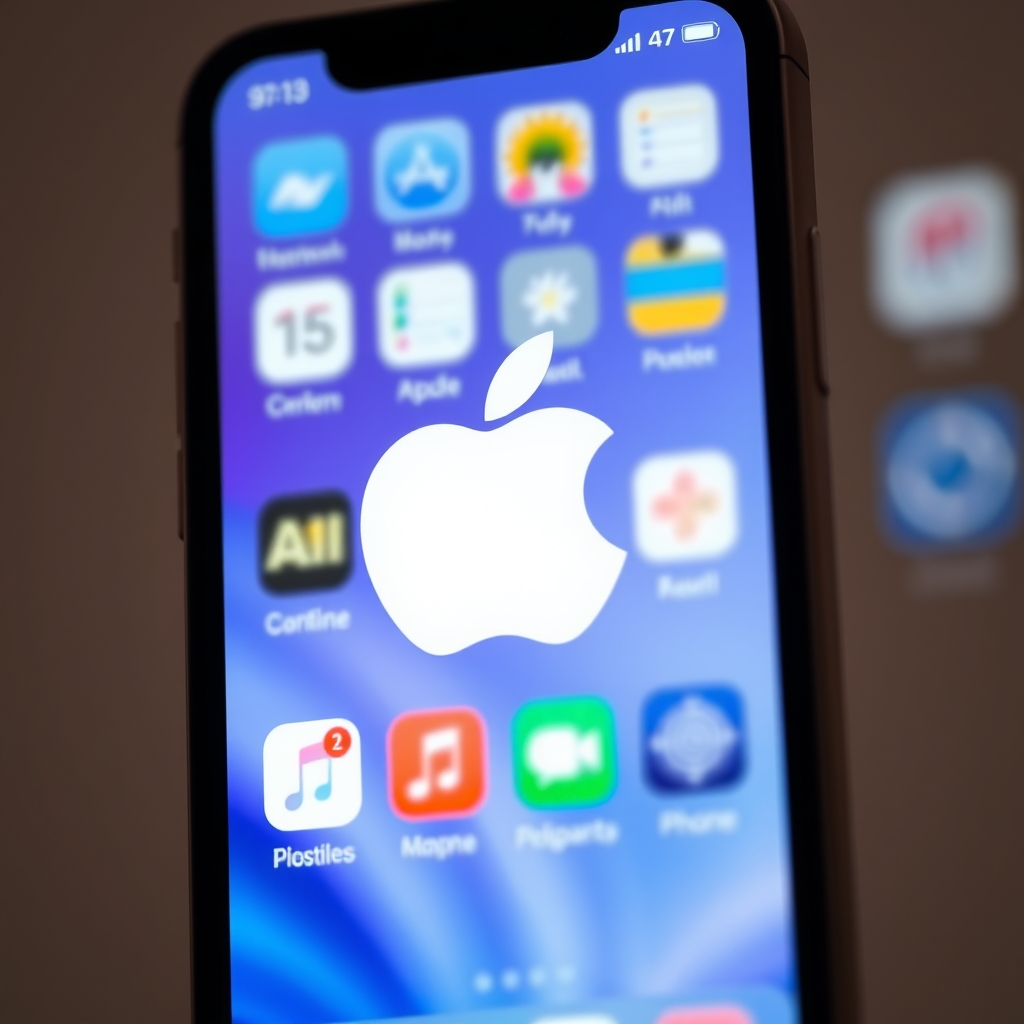
Apple has fundamentally reshaped the landscape of mobile artificial intelligence by granting Siri AI access to third-party applications. With the rollout of the iOS 27.3 update, the tech giant has moved beyond its closed ecosystem, allowing developers to integrate Siri’s advanced capabilities into their own software. This strategic shift enables the voice assistant to leverage a user’s personal context, process natural language prompts with greater nuance, and utilize on-screen awareness to execute complex requests seamlessly across the device.
The technical core of this update lies in the introduction of a new 'app skills' framework. Through this mechanism, third-party developers can bundle multiple discrete tasks into a single, cohesive action. Apple’s developer documentation highlights a significant usability improvement: users are no longer required to explicitly name the application in their voice commands if the app is in the foreground, active in a Live Activity, or the subject of an ongoing conversation with Siri. This contextual awareness reduces friction and makes the interaction feel more natural and less robotic.
To illustrate the practical application of these features, Apple provided a scenario involving a ride-share service. A user can request a ride, monitor real-time updates via Live Activity while waiting, and then modify the pickup location simply by saying, 'Hey Siri, change my ride pickup to a new address.' This example underscores the system's ability to maintain state and context across different stages of a user journey, a capability that was previously limited to Apple’s first-party services.
Simultaneously, Apple is deploying these expanded capabilities within its own suite of native applications, including Calendar, Files, Finder, Journal, Mail, Maps, Messages, Music, Notes, Photos, Preview, Reminders, Safari, Shortcuts, and Weather. The company emphasizes the utility of these integrations, citing examples such as locating a coffee shop visited last week or archiving files that have not been accessed in over a year. This dual approach—enhancing internal apps while opening the platform to external developers—signals a maturation of Siri’s role from a simple command interface to a comprehensive, context-aware digital assistant.
This move marks a significant departure from Apple’s historical strategy of maintaining a strictly walled garden. By allowing third-party integration, Apple is acknowledging the competitive pressure from rival AI assistants that already operate across broader ecosystems. The update, currently available as a Developer Preview, sets the stage for a new era of mobile interaction where the boundary between the operating system and individual applications becomes increasingly porous, driven by the intelligent orchestration of Siri AI.