Australian Team Sets Record by Keeping Human Liver Alive Outside Body for Seven Weeks
Australian researchers have kept a human liver alive outside the body for seven weeks using an automated perfusion system, setting a new record and opening avenues for advanced organ regeneration and research.
S
··2 min readSciTech Editorial Team
Newsroom
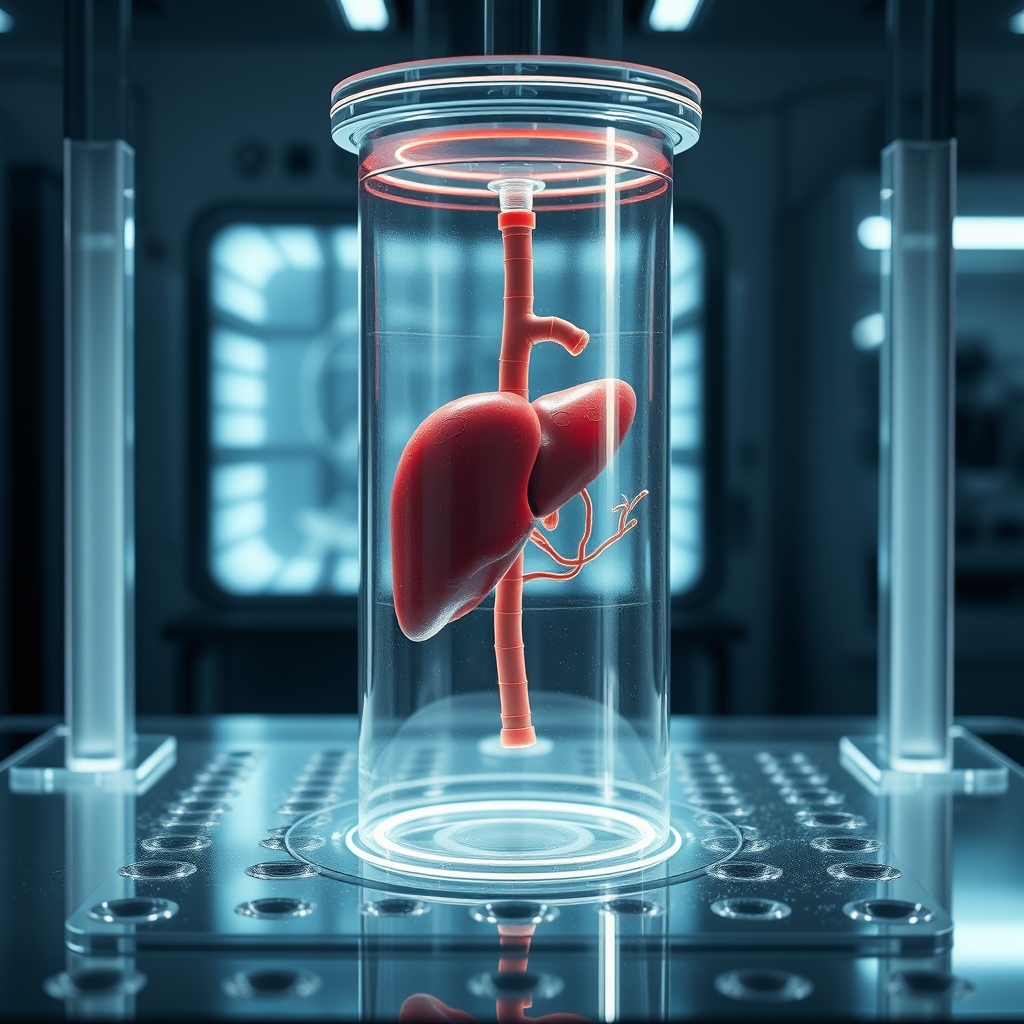
Researchers in Sydney, Australia, have achieved a biomedical milestone by keeping a human liver alive outside the body for a record-breaking seven weeks. Led by transplant surgeon Carlo Pulitano, the team utilized an automated life-support system to maintain the organ under fully normothermic, physiological conditions. This feat significantly surpasses the previous record of two weeks, which was set in Switzerland, and marks a pivotal shift in how organs are preserved for transplantation and research.
The breakthrough relies on the Extended Organ Perfusion System, which Pulitano describes as an "artificial body." This system employs automated pumps and sensors to continuously feed the liver with nutrients and blood while removing waste. By automating the perfusion process, the team tripled the average survival time of the organs compared to manual systems. During a recent conference, the team reported perfusing 55 human livers, with those on the automated system surviving an average of four weeks, culminating in the seven-week record holder.
Currently, most transplant organs survive only a few hours in ice buckets, necessitating rapid transport. Perfusion systems, which pump warm or cold fluids into organs, have already doubled this window. However, the long-term viability demonstrated by the Sydney team opens new possibilities. Scientists have observed that perfused organs may begin to repair themselves after a day or two, a phenomenon that previously enabled a Swiss team to successfully transplant a damaged liver kept on perfusion for three days in 2022.
The ultimate goal, termed "time-unlimited liver preservation," could revolutionize medical practice. Pulitano’s startup, Aeternum Life Technologies, is preparing for trials to transplant low-quality livers preserved for four days. Beyond transplantation, long-term life support could enable the growth of new organs. Pulitano has experimented with dividing a liver and attaching sections to the machine, suggesting a method to multiply one donor liver into several full-size organs as they regenerate.
While the clinical necessity of a seven-week perfusion period is still debated by experts like Waldemar Hoffmann, the implications for research are profound. This technology provides a living human organ model for translational research, offering superior biological and immunological accuracy compared to animal models. Furthermore, similar concepts are being explored by companies like Bexorg, which reanimates human brains for drug testing, and Altos Labs, which is investigating genetic reprogramming in ex-vivo livers. These advancements are prompting the formation of new scientific societies dedicated to organ preservation and perfusion therapy.