Beta Technologies Accelerates the Dawn of Electric Aviation with Alia Cargo Planes
Beta Technologies' Alia electric plane flies for $9 in electricity versus $210‑$255 in jet fuel, heralding a low‑cost, zero‑emission future for regional cargo and medical transport.
S
··1 min readSciTech Editorial Team
Newsroom
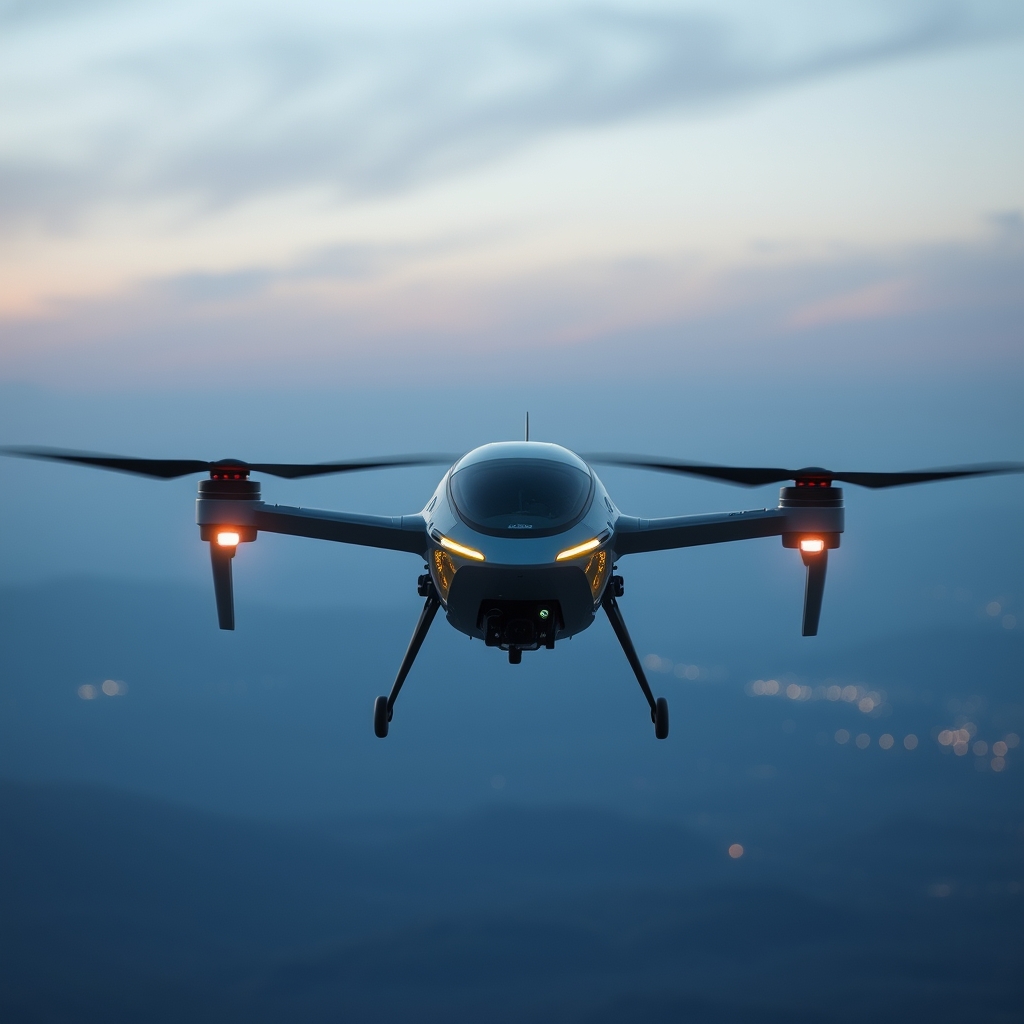
Beta Technologies, one of the United States' three leading electric‑aircraft manufacturers, has taken its Alia family of aircraft from prototype to operational reality. The company’s runway‑based CX300, which I piloted over Lake Champlain, demonstrates that a 15‑meter wingspan electric plane can climb, turn and cruise with the quiet hum of an electric motor, reaching 85 knots in seconds. In a half‑hour flight the aircraft consumed roughly US $9 of electricity, a stark contrast to the US $210‑$255 fuel cost of a comparable Cessna 208 Caravan.
The breakthrough rests on a fully integrated design: a five‑blade pusher propeller driven by a high‑efficiency electric motor, lithium‑ion battery packs, and a fly‑by‑wire control system that automatically coordinates aileron and rudder inputs. Beta’s engineers have logged more than 300,000 kilometers on the Alia platform, including trans‑U.S. crossings and overseas demonstrations, and the firm now reports an order and option backlog of 991 aircraft.
Beta’s market strategy diverges from its peers Archer Aviation and Joby Aviation, which focus on eVTOL air‑taxis. Instead, Beta targets short‑haul cargo and medical transport that operate from conventional runways, supported by an open charging network designed to accommodate both its own fleet and competitors’. The company envisions a stepwise rollout: first certified cargo/medical aircraft, then passenger planes with conventional takeoff, followed by cargo and passenger eVTOLs.
The 17,500‑square‑meter production facility adjacent to Burlington International Airport embodies the company’s sustainability ethos. Geothermal heat pumps regulate temperature, while a future megawatt‑scale solar array will power the assembly line. By vertically integrating airframe construction, electric motors, inverters, batteries, software and chargers, Beta retains tight control over component interfaces and failure data, albeit at the cost of mastering multiple complex businesses simultaneously.
If Beta’s approach succeeds, electric aviation could become a cost‑effective, low‑noise, zero‑emission alternative for regional logistics and emergency medical services, reshaping supply chains and reducing the carbon footprint of short‑distance air travel.