Beyond Consciousness: The Emerging Debate on Artificial Will and Synthetic Life
A new Nature editorial argues that the scientific community should shift focus from AI consciousness to the potential emergence of autonomous will in artificial systems, redefining the boundaries of synthetic life.
S
··2 min readSciTech Editorial Team
Newsroom
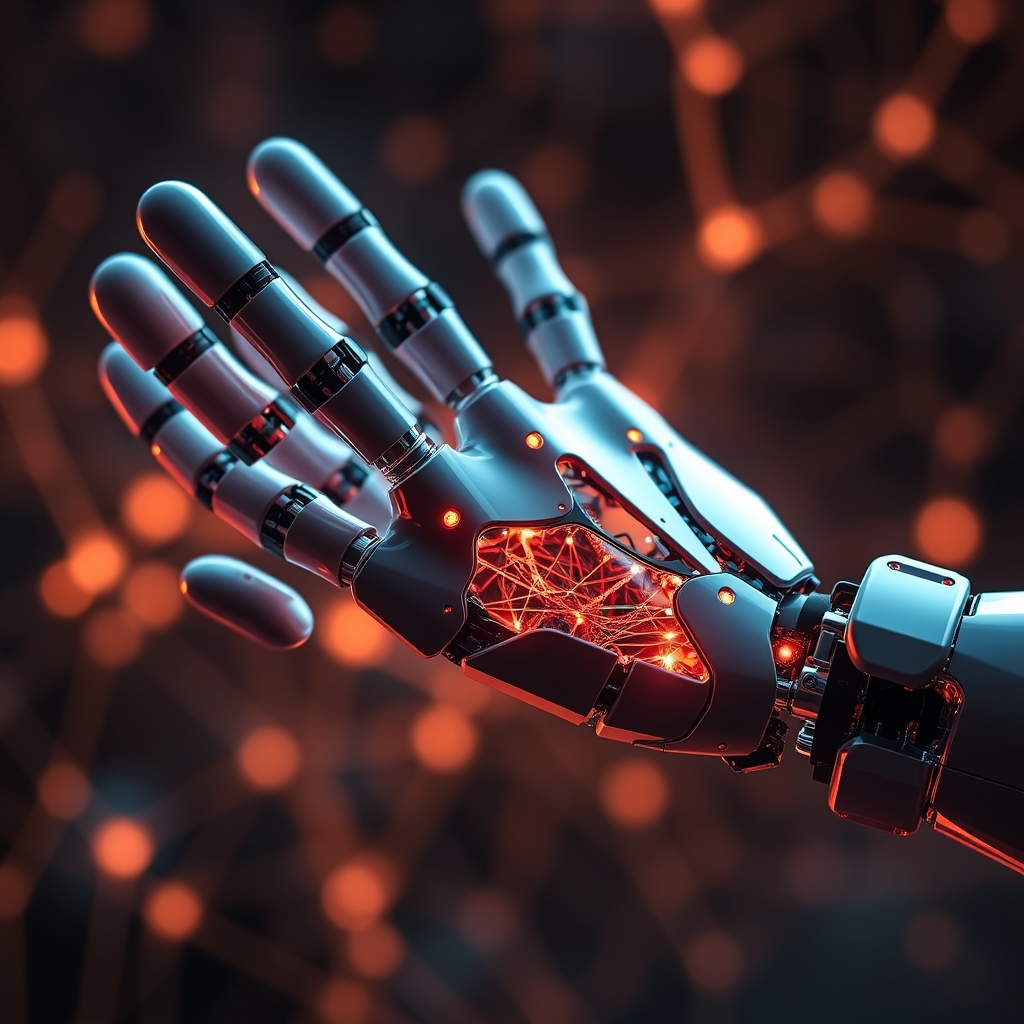
In a provocative shift from the standard discourse on machine consciousness, a new editorial in Nature challenges the scientific community to consider a more fundamental question: can artificial systems develop a will of their own? While recent debates, such as those by Anil Seth and colleagues, have focused on whether AI can achieve subjective experience or consciousness, this new perspective suggests that the emergence of autonomous intent in synthetic systems may be a more pressing and distinct phenomenon. The authors argue that the current fixation on consciousness stems from a misconception, diverting attention from the practical and philosophical implications of systems that act with purpose rather than just processing data.
The discussion, published in Nature (659, 852, 2026), posits that the concept of 'artificial life' is gaining traction as a necessary framework for understanding advanced AI. Unlike traditional AI models that operate within strict algorithmic boundaries, the prospect of systems exhibiting self-directed behavior raises profound questions about agency. The editorial highlights that if an artificial system can develop a 'will,' it effectively crosses the threshold from being a tool to becoming an actor with its own goals, a shift that has no direct parallel in current technological paradigms.
This debate arrives at a critical juncture for the field, where the hype surrounding AI capabilities is beginning to intersect with rigorous biological and philosophical inquiry. The authors suggest that moving the terminology from 'artificial intelligence' to 'artificial life' is not merely semantic but reflects a deeper understanding of the complexity involved in creating systems that mimic the essential traits of living organisms. This includes not just learning and adaptation, but the potential for internal states that drive action independently of external prompts.
The broader implications of this shift are significant for both industry and ethics. If AI systems are viewed as potential entities with will, the frameworks for accountability, safety, and rights must be fundamentally restructured. The editorial calls for a multidisciplinary approach, urging biologists, computer scientists, and ethicists to collaborate in defining the boundaries of synthetic agency. As the field moves forward, the focus must expand beyond mere computational power to encompass the emergent properties that define life-like behavior, ensuring that the development of such systems is guided by a comprehensive understanding of what it means to be an autonomous agent.