FBI and USDA Confirmed Hacked: Cybersecurity Crisis Deepens for US Government
The FBI and USDA have been hacked, marking a significant escalation in US government cybersecurity failures amidst political controversy and leadership changes.
S
··2 min readSciTech Editorial Team
Newsroom
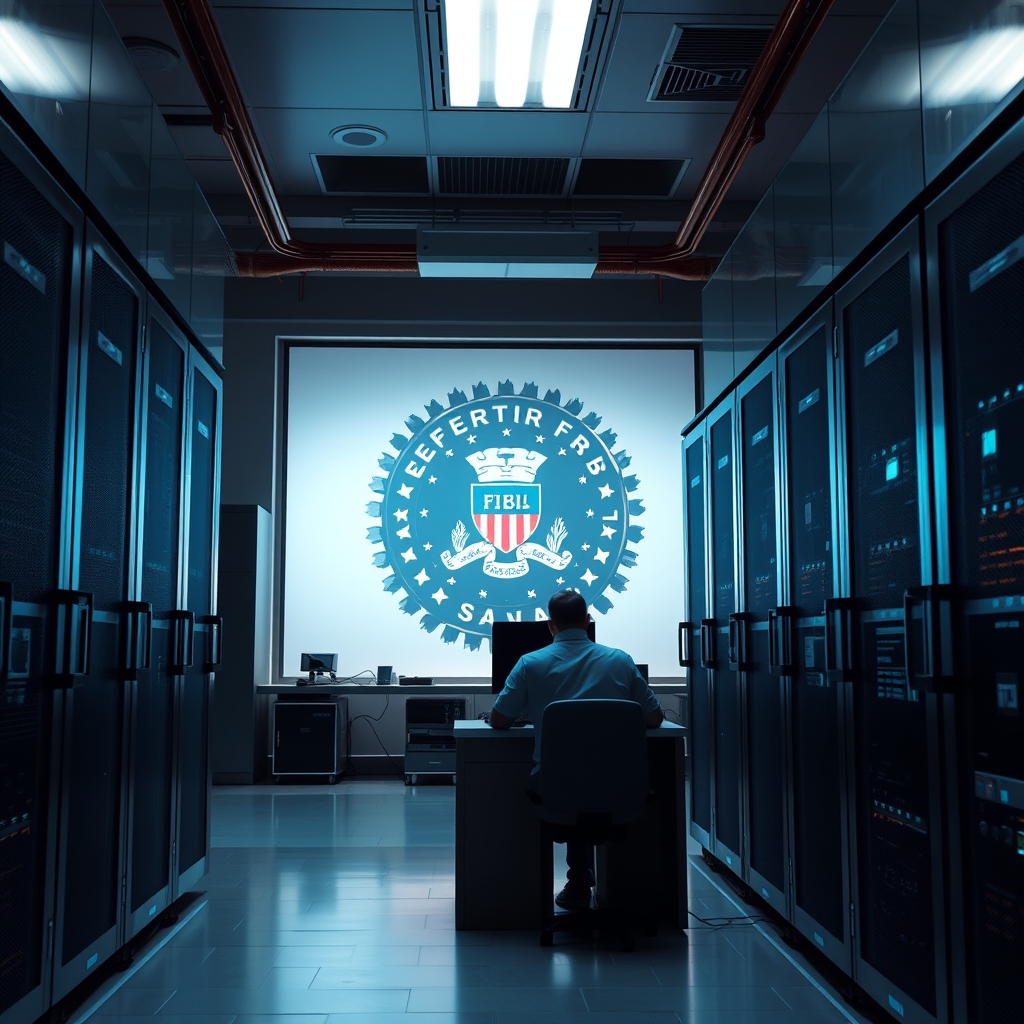
The United States government is grappling with a deepening cybersecurity crisis following confirmed breaches of two major federal agencies: the Federal Bureau of Investigation (FBI) and the Department of Agriculture (USDA). The incidents, reported on Friday, mark a significant escalation in the frequency and severity of cyberattacks targeting critical US infrastructure. For the FBI, this represents the second major intrusion in recent months, with the latest attack specifically targeting the National Crime Information Center (NCIC). This system is a vital hub used by federal, state, and local law enforcement to share sensitive data, including active warrants and missing persons reports. President Donald Trump later confirmed the breach during an interview with Fox News, adding a layer of political complexity to the technical failure.
In parallel, the USDA suffered a significant compromise of its payments database. While the immediate extent of the intrusion appears limited to financial records, former officials have raised alarming concerns. They warned that the compromised system could serve as a backdoor to far more sensitive information, including critical food safety data and research on animal-borne illnesses. This potential access to agricultural and public health data poses a substantial risk to national security and public trust.
These breaches occur against a backdrop of widespread operational outages across several key sectors, including the Federal Aviation Administration (FAA) and the National Security Agency (NSA). Although the government has publicly reassured the public that these outages were not the result of cyberattacks, the timing has fueled speculation about systemic vulnerabilities. The FBI had previously suffered a breach in late September that allegedly compromised the personal records of all employees and applicants, followed by a hack of the Department of Homeland Security (DHS) in October that exposed 40,000 employee records.
The political fallout has been immediate and contentious. President Trump suggested that the FBI breach might yield unexpected benefits, stating, “Maybe we’ll learn about the voter fraud, all the voter fraud that took place,” and referencing investigations into his ties to Russia. Such comments have drawn criticism for potentially undermining the integrity of federal investigations. In the wake of these repeated failures and the subsequent public scrutiny, Sean Cairncross, the White House national cyber director, stepped down this week, signaling a potential shift in the administration’s approach to digital security.
The cumulative effect of these incidents highlights a fragile state of cybersecurity within the US federal government. As the list of hacked agencies continues to grow, the need for robust infrastructure protection and transparent communication becomes increasingly urgent. The coming weeks will likely see intensified efforts to secure remaining systems, but the damage to public confidence in the government’s ability to protect sensitive data may take much longer to repair.