Tesla Unveils FSD v15: A Strategic Overhaul Targeting Sign Detection, Potholes, and Safety
Tesla rolls out FSD v15, targeting key weaknesses in sign detection and pothole avoidance, while claiming a 25x improvement in handling safety-critical cases.
S
··2 min readSciTech Editorial Team
Newsroom
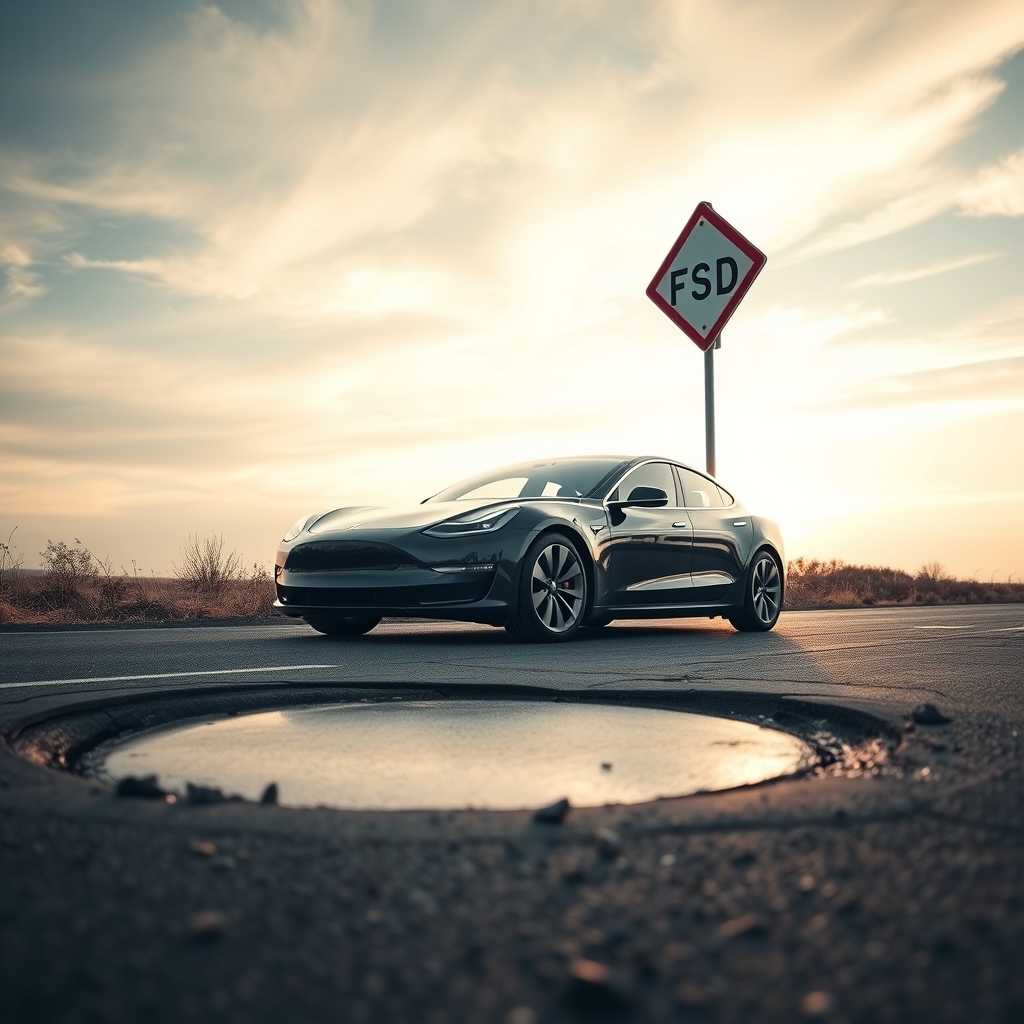
Tesla has officially commenced the rollout of its latest iteration, Full Self-Driving (FSD) v15, marking a pivotal moment in the evolution of autonomous vehicle technology. This update is not merely an incremental software patch but a strategic response to the most persistent criticisms of the FSD ecosystem. By directly addressing the system's historical weaknesses, Tesla aims to bridge the gap between its ambitious marketing claims and the on-road reality, potentially setting a new benchmark for safety and reliability in the autonomous driving sector.
The core of this update focuses on three critical areas that have previously plagued FSD users: sign detection, pothole identification, and speed management in school zones. These are not minor inconveniences but fundamental safety issues that have hindered the widespread adoption of the technology. By refining the computer vision algorithms to better interpret traffic signs and road hazards, Tesla is tackling the root causes of many user-reported errors. This targeted approach suggests a shift from broad, generalized driving models to more specific, context-aware decision-making processes.
In a bold claim that underscores the significance of this release, Tesla asserts that FSD v15 offers "25x better handling of safety critical cases." This metric, if verified by independent testing, would represent a substantial leap in the system's ability to avoid accidents and navigate complex traffic scenarios. Furthermore, the introduction of a new live visualization feature provides drivers with a real-time view of the car's perception of its surroundings. This transparency not only enhances user trust but also serves as a powerful tool for debugging and continuous improvement of the neural network driving the system.
The implications of FSD v15 extend beyond individual vehicle performance. If these improvements are as effective as the visuals suggest, this update could accelerate the timeline for achieving true Level 5 autonomy. However, challenges remain, including regulatory hurdles and the need for extensive real-world data collection to validate the 25x safety improvement claim. As Tesla continues to push the boundaries of autonomous driving, FSD v15 stands as a testament to the company's commitment to addressing its biggest weaknesses and redefining the future of mobility.