Meta warns midterm Democratic wins could stall data‑center rollouts and AI growth
Meta warns that Democratic midterm wins will tighten data‑center approvals, threatening AI expansion, but the company sees a clear monetization path through compute leasing.
S
··1 min readSciTech Editorial Team
Newsroom
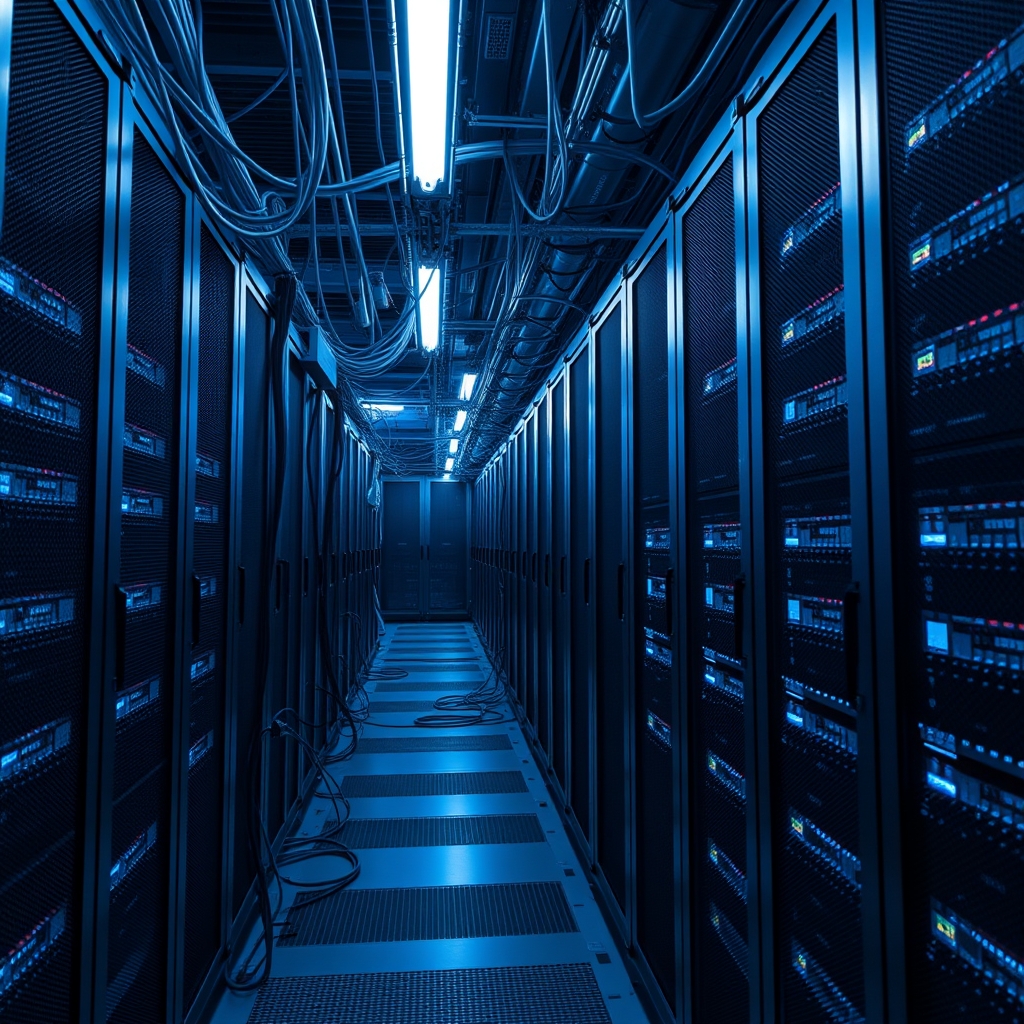
Meta’s senior vice‑president Dina Powell McCormick warned on the sidelines of the Wall Street Journal Tech conference that the Democratic sweep in the recent midterm elections will make it substantially harder for tech firms to secure new data‑center sites. The executive linked the political backlash to a broader public unease about artificial intelligence (AI), noting that a data center is the most visible manifestation of the technology and often the first thing voters object to in their neighborhoods.
“People say, ‘I don’t want a data center in my community,’” Powell McCormick said, adding that the sentiment reflects a deeper mistrust of AI itself. She argued that the industry has not done enough to explain the societal benefits of these massive compute facilities, from cancer‑research breakthroughs to universal access to education.
Meta, which has been building data centers for two decades, currently operates facilities in 23 U.S. states and is planning five projects of one gigawatt (1 GW) or more, including a new site in Texas. The company’s playbook for winning local support involves paying for its own electricity, directing any tax surplus to teachers and first responders, hiring locally, and securing bipartisan endorsements.
However, the executive cautioned that anti‑data‑center rhetoric on the ballot will translate into stricter permitting reviews and higher community expectations. “It’s going to be harder,” she said, emphasizing that only projects that demonstrably benefit residents will survive the new political climate.
Despite the headwinds, Meta remains confident that its AI investments—particularly the consumer‑facing agent Muse, which already serves over 10 million users—will generate demand for the compute capacity it builds. “We get calls every day to lease that compute,” Powell McCormick noted, underscoring a clear path to monetization even if the broader AI rollout slows.