Short-Term Academic Visits to China Could Sustain Scientific Ties Amid Geopolitical Tensions
A Nature editorial highlights how short-term academic visits, boosted by Chinese visa reforms, are crucial for maintaining global scientific ties amidst geopolitical tensions.
S
··2 min readSciTech Editorial Team
Newsroom
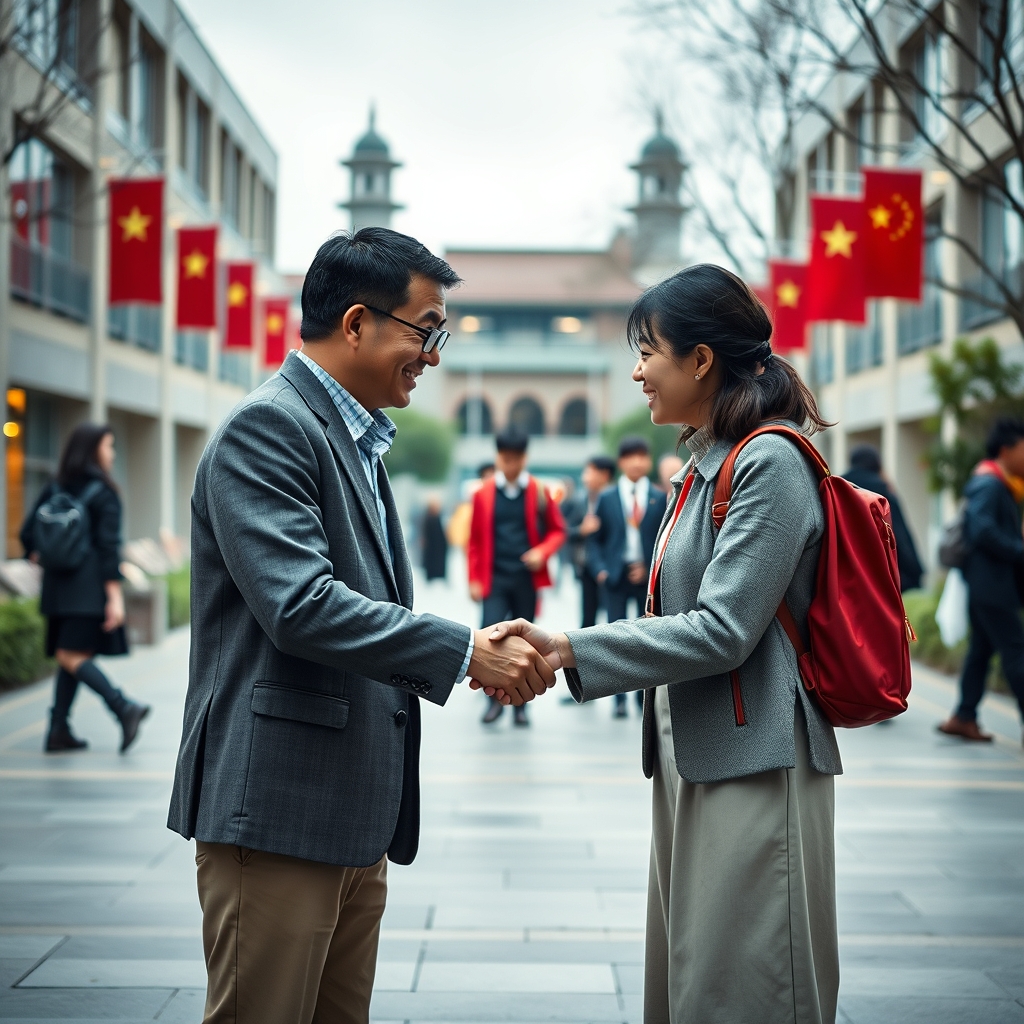
In a significant editorial contribution to Nature, a new perspective emerges on how international scientific collaboration can be preserved despite deepening geopolitical fractures. While recent coverage has focused on the rising number of Asian and African PhD students choosing China for their doctoral studies, this correspondence highlights a complementary and often overlooked pathway: short-term visiting programmes. These initiatives, now rendered significantly more accessible due to recent visa reforms in China, are positioned as a critical mechanism for sustaining academic ties that might otherwise deteriorate in the current climate.
The author argues that focusing solely on long-term student mobility provides an incomplete picture of the scientific landscape. By facilitating easier entry for researchers, China is creating a more fluid environment for knowledge exchange. This shift is particularly relevant as geopolitical tensions continue to drive Beijing to rethink its broader research collaboration strategies. The accessibility of these short-term visits allows for rapid, high-impact interactions that can maintain institutional memory and collaborative momentum without the long-term commitments associated with full-degree programs.
In this context, the visa reforms serve not just as administrative updates but as strategic tools for scientific diplomacy. By lowering barriers to entry, China aims to keep its research institutions integrated into the global scientific community. This approach contrasts with the potential isolationism that might arise from strict border controls or restrictive visa policies. The ability to host international scholars for brief but intensive periods ensures that Chinese laboratories remain hubs of global innovation and dialogue.
The broader implications of this trend suggest a resilient scientific community capable of adapting to political volatility. While long-term structural challenges in global research cooperation remain, the normalization of short-term academic exchanges offers a pragmatic solution. It allows for the continuation of joint projects, data sharing, and mentorship opportunities that are vital for the advancement of science. As the world navigates complex diplomatic landscapes, these flexible academic pathways may prove essential in keeping the doors of scientific collaboration open.
Ultimately, the sustainability of global science depends on the ability of institutions to find common ground beyond political disagreements. By leveraging short-term visits, China is demonstrating a commitment to maintaining its role as a central player in the global research ecosystem. This strategy not only benefits Chinese institutions by exposing them to diverse perspectives but also supports the international community by preserving vital research networks. As tensions persist, such adaptive measures will likely become increasingly important in ensuring that science continues to thrive as a universal endeavor.