Crows Outpace Humans and Monkeys in Visual Decision Speed by 2x
University of Tübingen researchers reveal that crows make visual decisions in just 235 milliseconds, twice as fast as humans and monkeys, while maintaining high accuracy.
S
··2 min readSciTech Editorial Team
Newsroom
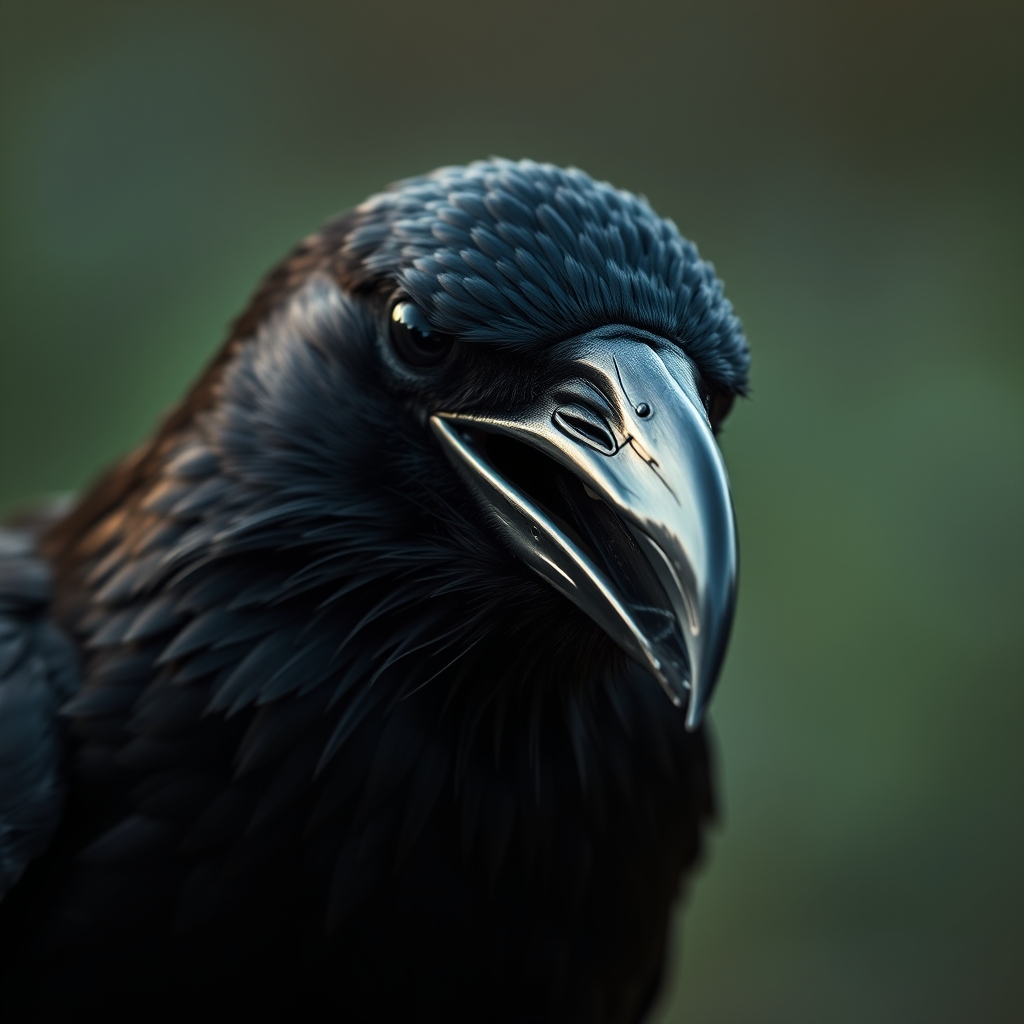
In a groundbreaking study that challenges conventional views on cognitive processing speeds, researchers from the University of Tübingen have demonstrated that crows possess a remarkable ability to make visual decisions at twice the speed of both humans and monkeys. This finding marks a significant shift in our understanding of avian intelligence, suggesting that these birds operate with a neural efficiency that rivals, and in some metrics surpasses, that of primates. The study highlights the extraordinary computational power of the avian brain, particularly in the context of rapid visual processing.
The experimental methodology involved two carrion crows tasked with identifying the direction of movement within a dot pattern. On average, the crows required only 235 milliseconds to process this visual information and indicate their choice. This speed is astonishing when compared to human and monkey reaction times in similar tasks, which are typically slower. Despite this rapid decision-making process, the crows maintained a high degree of accuracy, proving that their speed did not come at the cost of precision. This dual achievement of speed and accuracy suggests a highly optimized neural pathway for visual decision-making.
The implications of this research extend beyond ornithology into the fields of artificial intelligence and neuroscience. Understanding how crows achieve such rapid processing could provide new insights into the design of efficient algorithms for machine learning. Furthermore, it challenges the anthropocentric bias in cognitive science, which has historically overemphasized primate models of intelligence. By recognizing the unique cognitive architectures of non-primate species, scientists can develop a more comprehensive model of animal intelligence.
Looking ahead, this study opens new avenues for investigating the neural mechanisms underlying rapid decision-making in birds. Future research may focus on mapping the specific brain regions involved in this process, potentially leading to breakthroughs in understanding how different species optimize their cognitive resources. As we continue to explore the boundaries of animal cognition, the crow emerges not just as a clever bird, but as a key model for understanding the speed and efficiency of biological intelligence.