The Quest for Cognitive Immortality: Scientists Explore Head Transplants and Digital Avatars
Scientists are exploring radical methods like head transplants and digital avatars to achieve cognitive immortality, raising profound ethical and technical questions.
S
··2 min readSciTech Editorial Team
Newsroom
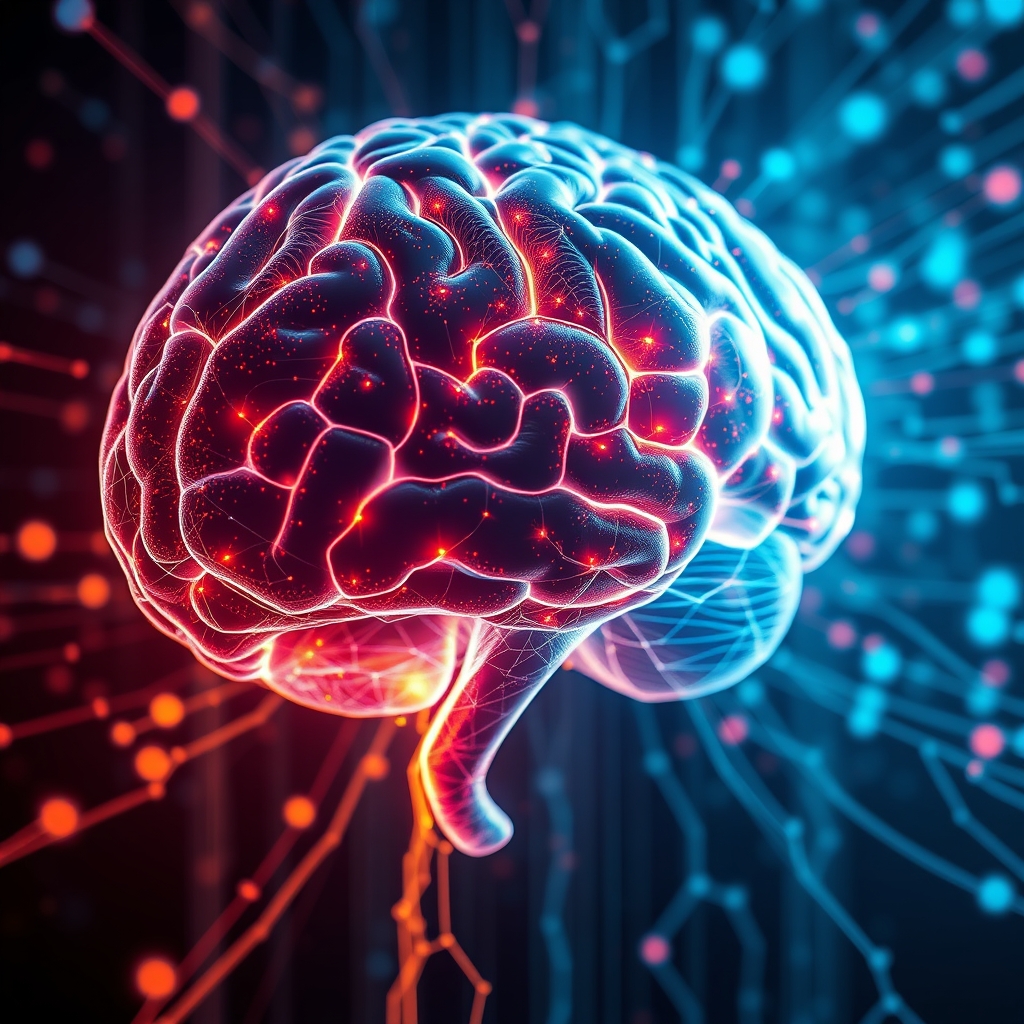
In a groundbreaking exploration of the boundaries of human existence, scientists are actively pursuing the concept of cognitive immortality, aiming to preserve the human sense of self even beyond biological death. This ambitious frontier, detailed in the latest MIT Technology Review Roundtables, features senior biomedicine editor Antonio Regalado and science editor Mary Beth Griggs examining radical proposals ranging from head transplants and cryogenic brain freezing to the creation of conscious software avatars. The initiative represents a significant shift in biomedical research, moving from mere life extension to the potential preservation of identity itself.
The technical and philosophical implications of these "mind saver" technologies are profound. Regalado, after tracing the financial, scientific, and philosophical underpinnings of these projects, describes a journey that left him both skeptical and awestruck. The methodologies under consideration involve complex neuroscientific interventions, such as maintaining neural connectivity in transplanted heads or mapping brain structures to digital environments. These approaches challenge traditional definitions of life and death, raising urgent questions about the continuity of consciousness and the ethical boundaries of medical intervention.
The broader implications of this quest extend far beyond the laboratory, touching on fundamental aspects of human identity and societal values. If successful, these technologies could redefine the human experience, offering a path to a form of digital or biological eternity. However, the challenges are immense, including the unproven nature of many of these techniques and the significant ethical debates surrounding the manipulation of human consciousness. The scientific community remains divided, with some viewing these efforts as the next logical step in medical advancement and others as dangerous overreach.
As the field evolves, the focus remains on determining which of these radical ideas might actually work in practice. The full conversation, available to subscribers, delves into the specific mechanisms and potential outcomes of these experiments. This ongoing research highlights the intersection of cutting-edge biotechnology and deep philosophical inquiry, marking a pivotal moment in the history of science where the limits of the human body and mind are being rigorously tested and potentially redefined.