The 'Super Intelligence' Mandate: How a Trump Rebrand Turns AI Terminology into a Political Loyalty Test
Trump’s mandate to rebrand AI as “Super Intelligence” is becoming a political loyalty test, with mixed adoption across government and Big Tech raising concerns about the politicization of scientific discourse.
S
··3 min readSciTech Editorial Team
Newsroom
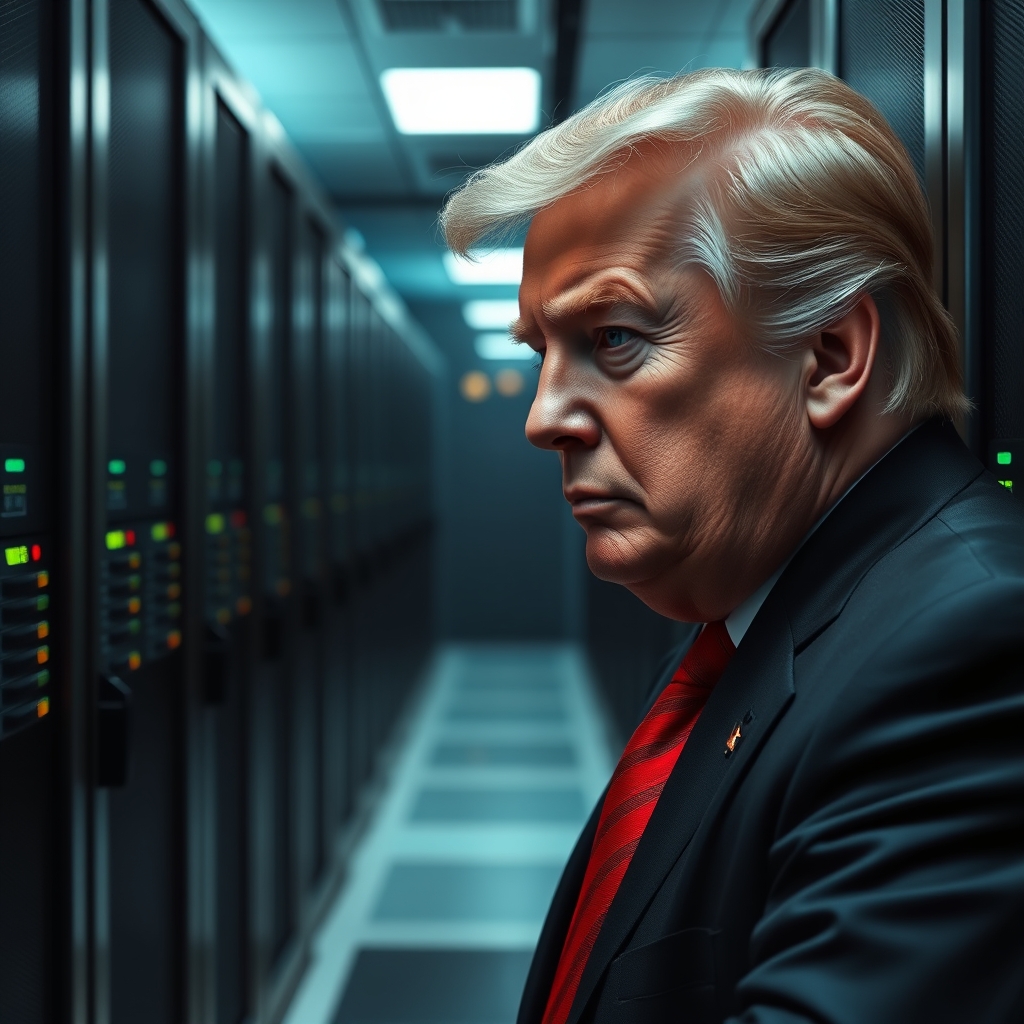
In a move that transcends mere bureaucratic nomenclature, President Trump’s executive order mandating the rebranding of Artificial Intelligence (AI) to “Super Intelligence” has evolved into a potent political loyalty test. Signed in late September, the directive forces government agencies to adopt the new terminology, a choice that Trump made after polling options like “Extreme Intelligence” on social media. While the stated rationale is that current systems amplify human ingenuity rather than merely imitate it, the practical effect mirrors previous controversial rebrands, such as the “Gulf of America,” turning linguistic compliance into a marker of allegiance to the administration.
One month into the mandate, the adoption of the term “Super Intelligence” (or “SI”) within the federal government has been inconsistent and fraught with hiccups. While the term appears in new solicitations, such as an Immigration and Customs Enforcement request for “SI-powered” surveillance, many agencies have struggled to implement the change seamlessly. The Department of Defense’s “Project Meridian” initially used the old terminology, and the Federal Trade Commission recently issued a press release using “superintelligence” in lowercase, deviating from the prescribed capitalized format. Even high-ranking officials, including Defense Secretary Pete Hegseth, have continued to use “AI” in public interviews, suggesting that the new term has not yet fully penetrated the institutional lexicon.
The broader implications extend beyond government walls, impacting the national conversation and the private sector. Trump has publicly criticized major media outlets, including the Wall Street Journal, for failing to adopt the new term, hinting at potential future bans on the use of “artificial intelligence” in official documents. This pressure creates a chilling effect, where media and corporate entities must weigh the risks of non-compliance against their editorial or brand integrity. The rebranding effort is not just a semantic shift but a strategic attempt to reshape public perception of the technology’s capabilities and status.
In the private sector, Big Tech executives have shown a mixed response to the mandate. Despite signing the nonbinding “White House Accord on Super Intelligence” alongside Trump, leaders from Google, Anthropic, and OpenAI have largely continued to use “AI” in earnings calls and public communications. Only Mark Zuckerberg of Meta and Elon Musk of xAI have consistently adopted the new terminology, with Musk even pledging to rename his ventures to reflect the change. This divergence highlights a disconnect between political rhetoric and industry practice, as major tech firms prioritize established industry standards over political directives.
Critics argue that the rebranding initiative is a wasteful expenditure of taxpayer resources, requiring federal employees to draft new guidelines and legislative definitions under tight deadlines. More concerning is the potential erosion of objective scientific discourse, as the term “Super Intelligence” carries connotations that may obscure the nuanced realities of current AI capabilities. As the administration pushes for uniformity in language, the risk remains that the national debate on AI safety and development will become politicized, complicating efforts to establish clear, evidence-based regulatory frameworks.
Ultimately, the “Super Intelligence” rebrand serves as a microcosm of the administration’s broader approach to governance: using language as a tool for dominance and control. Whether this linguistic shift will stick remains uncertain, but its immediate impact is already visible in the strained relationships between the White House, the media, and the tech industry. As the deadline for a new legislative definition approaches, the stakes are high for both the political narrative and the future trajectory of AI policy in the United States.