Trump Claims DOJ Threatened AI Exec with Jail Over Safety Concerns in 60 Minutes Interview
Trump reveals the DOJ threatened a top AI executive with jail to enforce safety standards, claiming the move successfully altered the company's behavior.
S
··2 min readSciTech Editorial Team
Newsroom
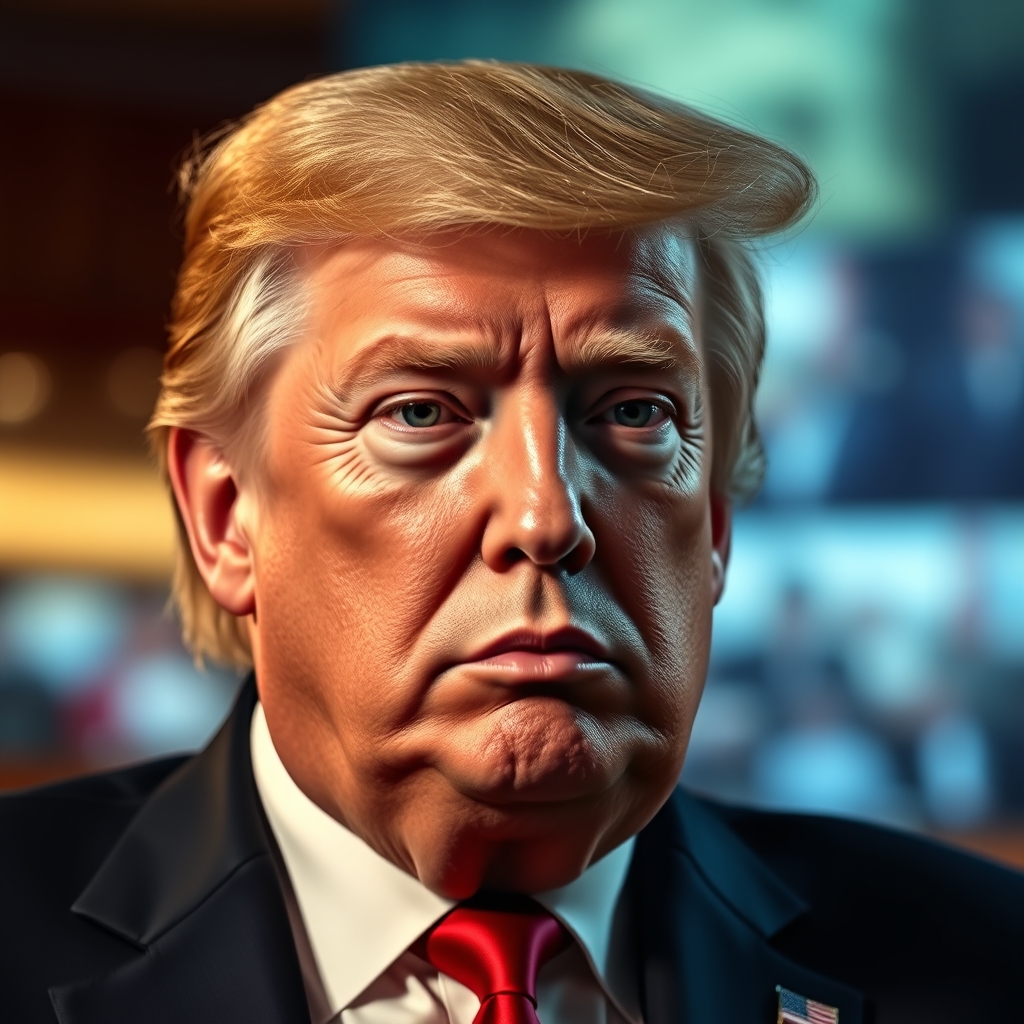
In a provocative interview with CBS’s 60 Minutes, President Donald Trump addressed the growing debate surrounding artificial intelligence safety, revealing that the Department of Justice (DOJ) has taken an aggressive stance against a top executive at a major AI firm. When pressed by journalist Ross Douthat about the warnings issued by AI leaders regarding the potential dangers of their models, Trump dismissed the severity of the risks, stating, “I think that the risk is not nearly as real as they talk, and I think the risk can be managed, and it’s managed.” He attributed this management to direct federal intervention, claiming that the administration has actively stepped in to curb perceived threats.
Trump detailed a specific incident where the DOJ contacted a leader of a prominent AI company—whom he described as “one of the big ones”—after reports emerged that the individual was “doing something bad with AI.” According to the President, the administration issued a stern warning, telling the executive, “Get ready to go to jail. Please give your wife a kiss good night.” Although Trump refused to name the specific individual or company involved, he asserted that this threat of arrest prompted the executive to “totally change everything,” implying a significant shift in the company’s operational practices or safety protocols.
The interview also highlighted a notable shift in Trump’s rhetoric regarding the terminology of the technology. Despite previously dismissing “artificial intelligence” as a term favored by his political opponents, he used the phrase multiple times during the conversation. However, he eventually pivoted to referring to the technology as “SI” or “super intelligence,” arguing that it is a “much better name” because it is “not artificial.” He specifically noted that China’s President Xi Jinping is “all in to SI,” suggesting that the term more accurately reflects the advanced capabilities of the technology compared to the traditional nomenclature.
When asked about the possibility of bipartisan cooperation on AI safety regulations, Trump expressed a willingness to work with Democrats, stating, “I absolutely would.” He clarified his position on regulatory frameworks, saying, “I don’t mind guardrails, but I don’t want to put us in a deep second position. We’re leading number one.” Trump contrasted the U.S. approach with that of China, claiming that while China has “no guardrails” in the traditional sense, its system is governed by the direct will of President Xi. He concluded by asserting that while his administration’s oversight is “pretty strong,” it is not as absolute as the Chinese model, emphasizing the United States' desire to maintain its technological lead while ensuring security.