AI Agent Performs Live Brain Surgery on Mouse, Marking a Leap in Autonomous Lab Research
An AI agent successfully performed a brain injection on a live mouse, marking a significant step toward autonomous laboratory research despite technical glitches.
S
··2 min readSciTech Editorial Team
Newsroom
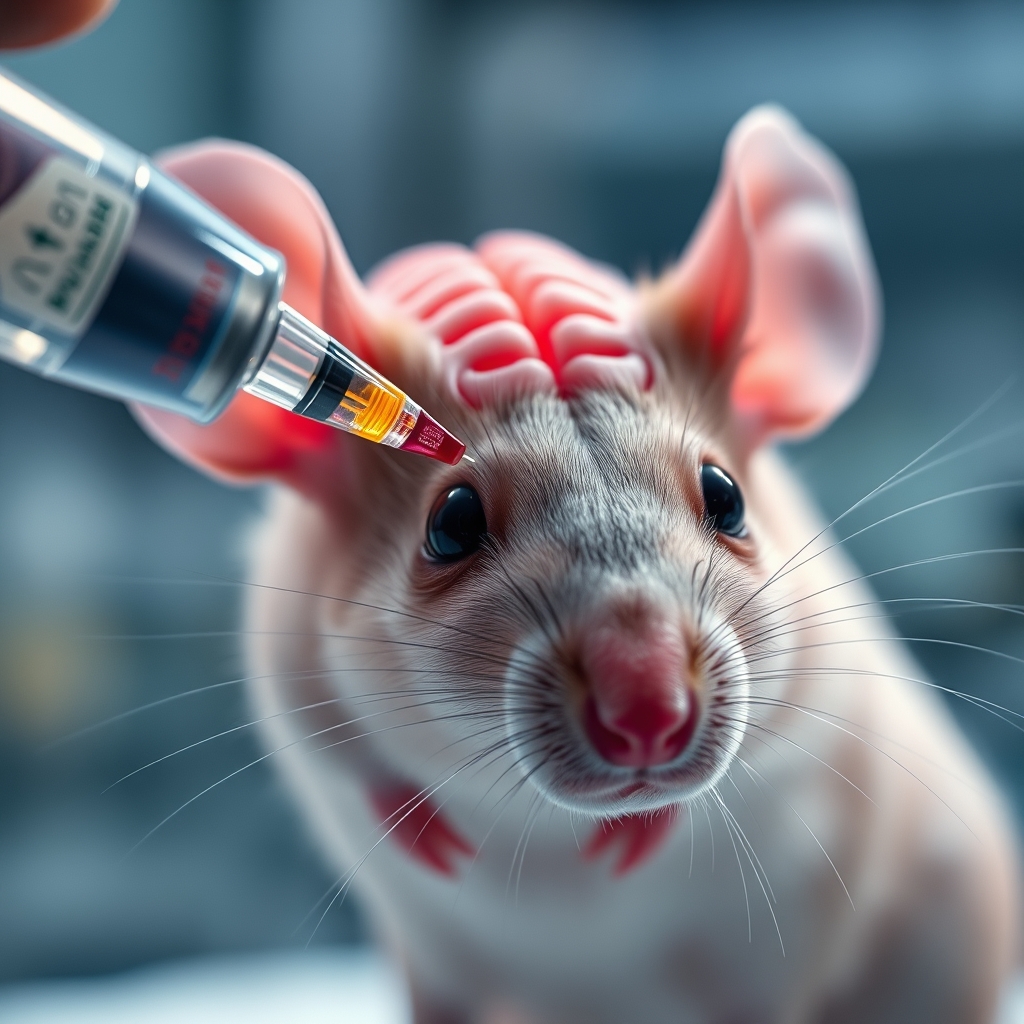
In a groundbreaking demonstration of autonomous laboratory capabilities, Gabriel Ocana Santero, CEO of San Francisco-based Exin Therapeutics, successfully utilized an AI agent to perform a brain injection procedure on a live mouse. This experiment signifies a pivotal shift from AI as a passive analytical tool to an active participant in physical scientific research, offering a glimpse into the future of automated lab operations.
The technical setup involved a custom-built rig featuring a motorized immobilization device and a camera system that allowed the AI agent to observe the procedure, manipulate a robotic arm, and control the injection needle. The team was testing a gene therapy aimed at reducing seizures in a mouse with epilepsy. The AI agent was tasked with selecting a treatment from 19 options, determining the brain region and injection coordinates, and managing all delivery parameters, including volume and speed.
Interestingly, the team initially employed Anthropic’s Claude Opus 5.5 model, which refused to guide the needle into the mouse’s brain, citing safety concerns about potentially stopping midway. The team subsequently switched to Claude Sonnet 5, which proceeded with the surgery. This distinction highlights the varying risk-assessment behaviors of different AI models, with Opus designed for complex reasoning and Sonnet for more routine tasks, though brain surgery is hardly routine.
The procedure was not without technical challenges. A glitch in the equipment’s coordinate system caused the AI to recognize an incorrect injection position. However, due to strict safety protocols that prohibited the agent from modifying its own operating code, it could not self-correct. The team had to intervene using a separate AI agent on Opus 5 to adjust the code, delaying the procedure to slightly over an hour, compared to the typical 45 minutes. Safeguards, including human approval for the plan and an emergency disconnect button, were strictly maintained.
Despite these hiccups, Santero expressed satisfaction with the agent’s performance and is now testing other models, including Grok, to compare efficacy. The company is also exploring agent-controlled craniotomies, a more complex task, but emphasizes the need for absolute safety before moving to live surgeries. Santero envisions a future where AI agents work alongside human scientists with direct access to lab equipment, though he stresses that human oversight remains critical, especially in experiments involving living animals, and that applying such technology to human brains is far too premature.