Data Centers Become Decisive Midterm Issue as $200B in Projects Face Political Backlash
Data centers have become a decisive midterm issue, with $200B in projects facing political backlash and community opposition across key U.S. states.
S
··2 min readSciTech Editorial Team
Newsroom
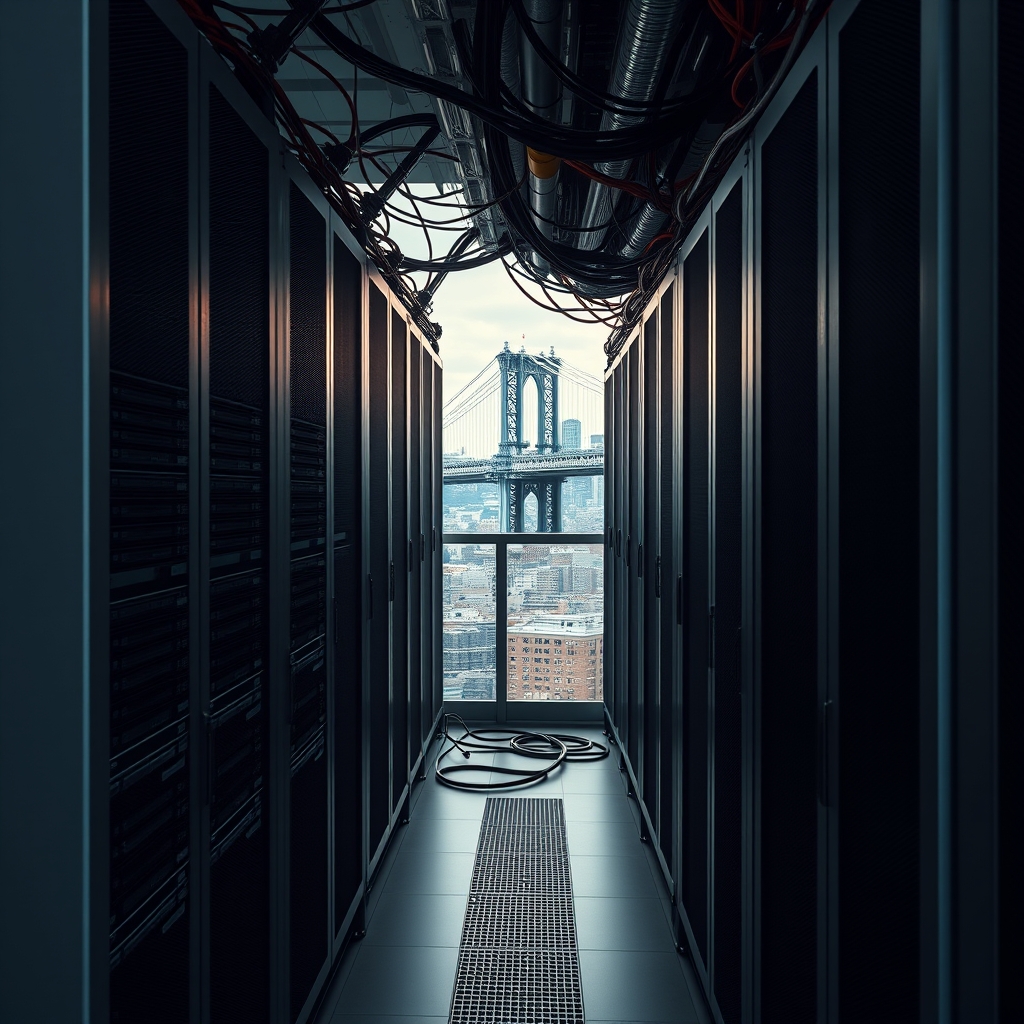
Data centers have emerged as a pivotal issue in the upcoming U.S. midterm elections, transforming from a technical infrastructure concern into a major political battleground. With only five days remaining until the November 3 vote, the debate over artificial intelligence (AI) and its physical footprint has consumed public discourse, particularly in urban centers like Brooklyn. This shift highlights a growing disconnect between the tech industry's optimism and the public's anxiety regarding the rapid expansion of digital infrastructure.
According to a recent report by Data Center Watch, nearly $200 billion in data center projects were delayed, stalled, or completely blocked in the first half of 2026 due to intense political and community opposition. States including Pennsylvania, Georgia, Texas, New York, and Virginia are now considering stricter regulatory guardrails and transparency measures to address the rapid development of these facilities. Virginia, already dubbed the "data center capital of the world," has hundreds of new facilities in its planning stages, exacerbating local tensions over resource consumption and environmental impact.
The political sentiment is increasingly vocal, with local officials and activists demanding greater accountability from tech executives. During a recent panel in New York, City Council member Chi Ossé emphasized the need for tech leaders to testify before Congress, particularly regarding the societal implications of technologies that could significantly alter human civilization. The conversation was marked by a strong undercurrent of resistance, with audience members expressing frustration over perceived secret deals between big tech companies and local officials, often bypassing standard zoning and protest mechanisms.
Critics argue that data centers represent the physical embodiment of public anger toward the "tech class" and the perceived erosion of the American Dream. While some labor unions support these projects due to initial job creation, skeptics point out that these positions are often temporary and do not compensate for the long-term environmental and health risks. As the election approaches, the issue of data centers is no longer just about server capacity; it is a referendum on who controls the future of American communities and how the benefits of the AI revolution are distributed.