AI Learns to Smell: Osmo's Foundation Model and the Crisis in US Hydropower
Osmo launches the world's first AI smell model, while US hydropower drops 28% due to drought, highlighting the clash between digital innovation and physical resource limits.
S
··2 min readSciTech Editorial Team
Newsroom
In a groundbreaking development at a New Jersey laboratory, researchers are training the world’s first foundation model for smell, aiming to give computers a genuine sense of olfaction. The AI startup Osmo, led by founder Alex Wiltschko, is cross-referencing meticulous human notes—such as “nutty” and “marine”—with detailed chemical analyses to build this sensory bridge. Wiltschko claims the model has already achieved “human-level olfactory intelligence,” currently assisting fragrance brands in designing novel scents. However, the company’s ambitions extend far beyond perfumery, targeting applications in detecting counterfeit goods and diagnosing diseases, though skeptics question the technology's long-term viability.
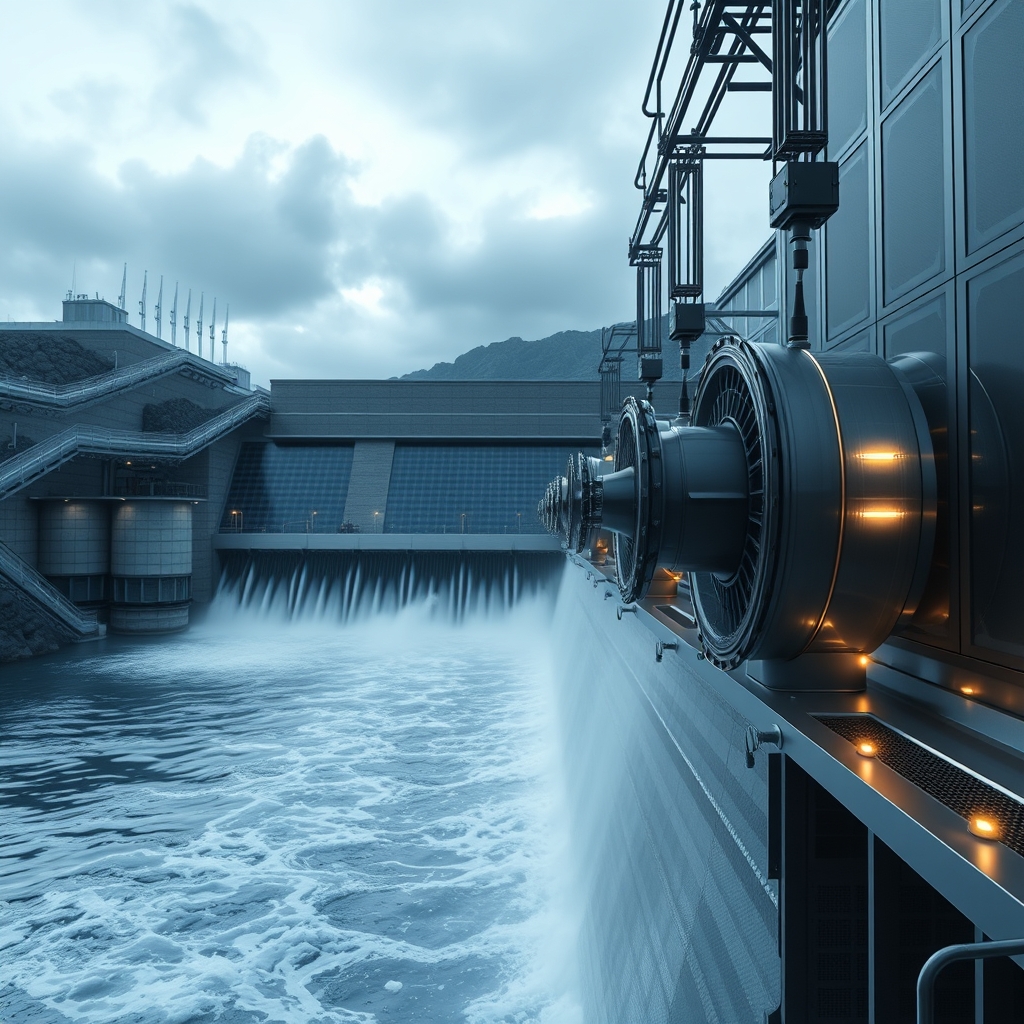
While AI expands its sensory capabilities, the energy sector faces a starkly different challenge. New data from the US Energy Information Administration reveals that the US Southwest generated 28% less electricity via hydropower between April and August compared to the 10-year average. This significant drop is attributed to an extreme, prolonged drought that has left water levels dangerously low in the region’s two largest reservoirs. Climate change continues to exacerbate this pressure, threatening a vital source of renewable power that the grid relies on heavily.
Simultaneously, the US power grid is grappling with infrastructure limitations. Transformers, which are crucial for moving power efficiently across long distances, are in short supply and have seen little design change in a century. As electricity demand surges from electric vehicles and data centers, plans are emerging to modernize these grid staples. Solid-state transformers are being developed to ease supply concerns and cut power losses, potentially becoming a crucial component of the future grid.
These technological shifts occur against a backdrop of widespread digital instability. Recent outages have impacted the US government’s classified communications network and major platforms like Apple Music and the App Store. While officials like Marco Rubio dismiss these as unrelated and not hostile acts, experts warn that AI is accelerating the discovery of vulnerabilities and making online crimes easier. Furthermore, the US has seen measles become officially endemic again due to persistent gaps in vaccination coverage, marking the deadliest outbreak since 1991.
In the realm of climate diplomacy, only nine countries have backed COP31’s voluntary AI climate pledge, which lacks binding targets. Meanwhile, in the tech industry, Nvidia reported a blowout quarter with revenue more than doubling amid booming AI chip sales, despite halting H200 chip shipments to China. As the tech sector navigates a $1 trillion selloff and fears of an AI bubble, the juxtaposition of AI’s expanding sensory reach and the physical constraints of energy infrastructure highlights the complex challenges facing modern technology.