Amazon Revives Restaurant Delivery via Exclusive Uber Eats Partnership for Prime Members
Amazon partners with Uber Eats to offer Prime members free delivery on restaurant orders over $25, re-entering the food delivery market.
S
··2 min readSciTech Editorial Team
Newsroom
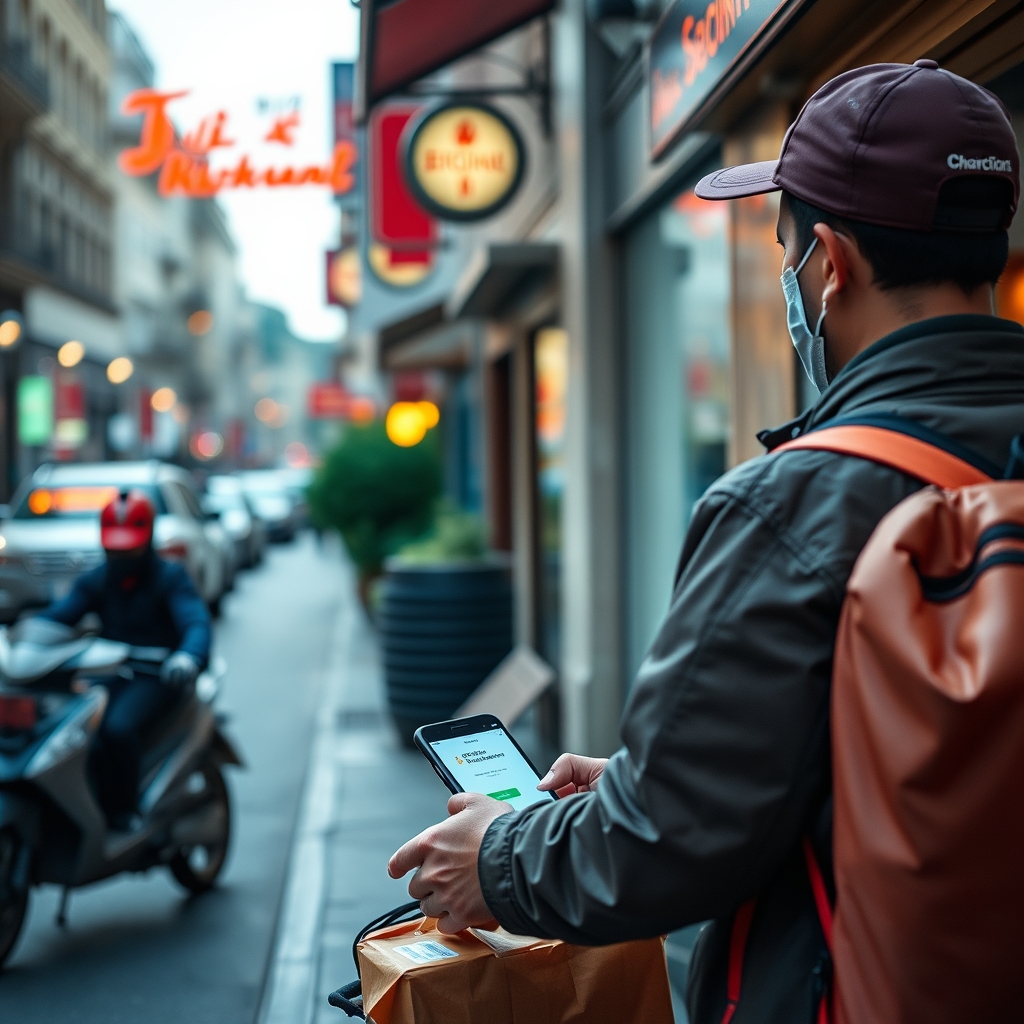
Amazon has officially re-entered the restaurant delivery market in the United States through a strategic partnership with Uber, designating Uber Eats as the official delivery partner for Amazon Prime subscribers. This move marks a significant pivot for Amazon, which previously operated its own internal service, Amazon Restaurants, before shutting it down. By leveraging Uber’s existing logistics infrastructure, Amazon aims to offer a seamless experience for Prime members without the heavy capital expenditure associated with building a proprietary perishable goods delivery network from scratch.
Under the terms of the agreement, Prime subscribers can now order takeout directly through the Amazon app or website using their existing payment methods. A key feature of this integration is the waiver of delivery fees for orders exceeding $25, eliminating the need for users to create a separate Uber account or navigate the Uber Eats interface. Amazon manages the ordering process and delivery notifications, while Uber Eats handles the final receipt and fulfillment. This streamlined approach allows shoppers to consolidate meals, groceries, and household items into a single platform, enhancing convenience for the tens of millions of Prime members who already rely on Amazon for daily necessities.
The partnership is also a strategic response to the shifting competitive landscape in the delivery sector, particularly following the merger of rivals DoorDash and Instacart. By aligning with Uber, Amazon seeks to apply pressure on DoorDash, which remains the dominant player in restaurant delivery. Additionally, this deal provides Uber with direct access to Amazon’s vast customer base, reducing the need for expensive app store advertising to acquire new users. It is worth noting that Amazon previously partnered with Grubhub for similar services, suggesting a multi-partner strategy or a recognition that Grubhub’s scale may no longer be sufficient to meet the demands of the Prime ecosystem.
However, analysts suggest that the impact of this deal on consumer behavior may be limited. While the waived delivery fee is a tangible benefit, it does not address the larger components of the total bill, such as service charges, local regulatory fees, driver tips, and menu markups. Furthermore, the $25 minimum order threshold may be impractical for solo diners or casual lunch orders, potentially forcing customers to purchase additional items to qualify for the discount. Although Amazon and Uber estimate that members could save over $175 annually, this figure assumes frequent ordering habits. For the average consumer, reaching this savings target would require placing multiple takeout orders per month, making the benefit less accessible for occasional users.