US Senate Set to Vote on Sweeping Permitting Reform That Could Reshape Energy Infrastructure
The U.S. Senate is set to vote on the BAAJA bill, a major permitting reform that could accelerate energy infrastructure buildout but carries mixed implications for greenhouse gas emissions.
S
··2 min readSciTech Editorial Team
Newsroom
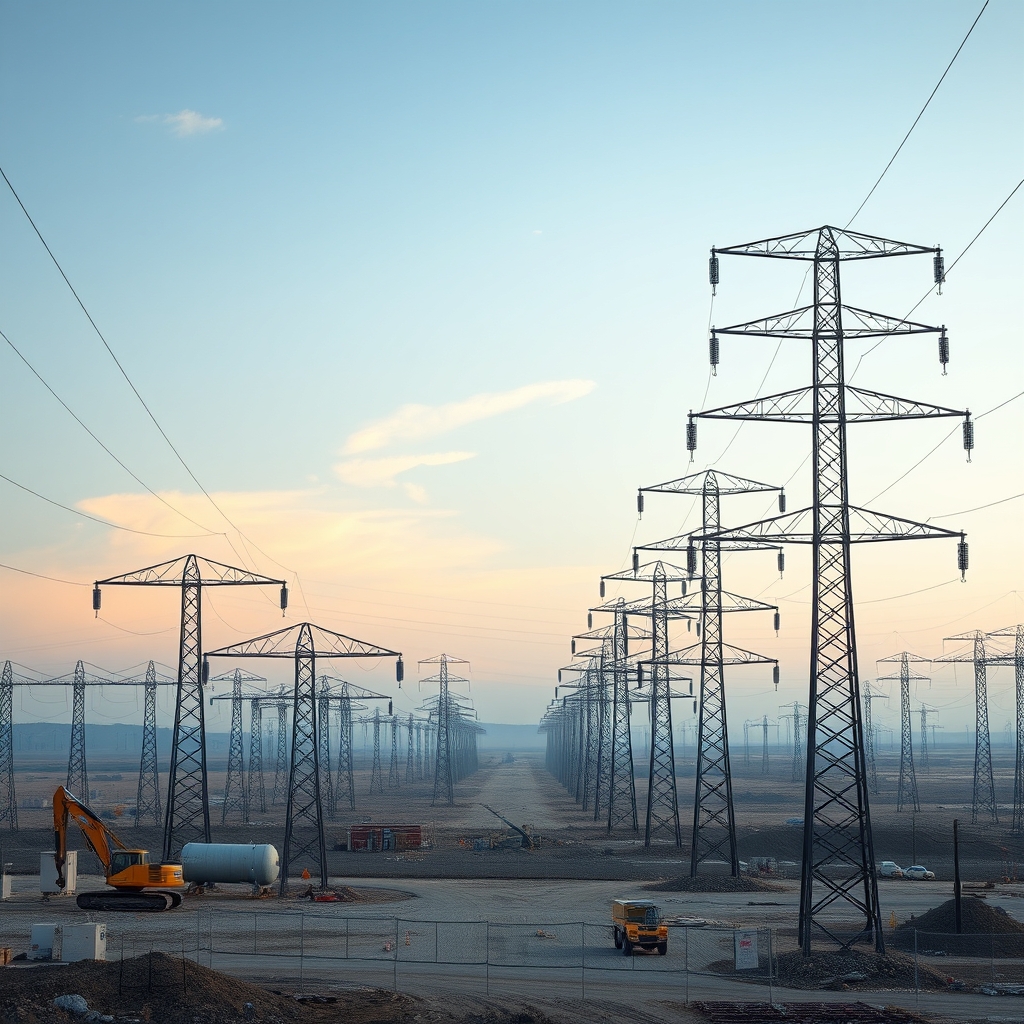
In a pivotal moment for American energy policy, the U.S. Senate is poised to vote on the Bipartisan American Affordability and Jobs Act (BAAJA) on November 9. This 417-page legislation represents a sweeping effort to overhaul the notoriously slow and complex federal permitting process, aiming to accelerate the buildout of critical energy infrastructure. The bill, which has drawn support from both political parties, seeks to narrow the scope of projects requiring federal permits and enforce strict deadlines to reduce review times that have historically stretched over years.
The technical implications of BAAJA are significant, as it adopts a technology-neutral approach, facilitating the development of both fossil fuel and renewable energy projects. Proponents, including the White House Council of Economic Advisors, argue that the reform will boost GDP and reduce review times. The American Clean Power Association estimates that the bill could unlock 350 gigawatts of new clean energy capacity for the grid. However, environmental groups like the Natural Resources Defense Council warn that narrowing environmental reviews could pose risks to public and private lands, even as they acknowledge potential benefits for grid transmission.
The broader implications of the bill hinge on a delicate trade-off between accelerating clean energy deployment and potentially expanding fossil fuel infrastructure. Early analyses suggest mixed outcomes for emissions. The Rhodium Group found that in the best-case scenario, the bill could cut economy-wide emissions by 4% and add 200 gigawatts of clean energy by 2040, while in the worst case, emissions might remain unchanged. Conversely, Resources for the Future projects a 6% reduction in power-sector emissions by 2041 and system cost savings exceeding $350 billion by mid-century.
Despite these optimistic forecasts, concerns persist regarding the potential surge in natural gas plant construction, driven in part by increasing grid demands from data centers. Kevin Kircher, an energy modeler at Purdue University, warns that if the bill had been in place in 2025, energy sector emissions would have been higher than the actual baseline, with associated increases in health risks from air pollution. As the Senate prepares for the vote, the final outcome will depend on political dynamics, including the potential shift in congressional control, and the ultimate signature of President Trump, which will determine the extent of the reform's impact on the nation's energy future.