Apple Smashes iPhone Sales Records with 17% Revenue Surge Despite Absence of Standard Model
Apple reported record iPhone revenue of $57.58 billion, up 17%, driven by Pro models despite the absence of a standard iPhone in the latest refresh.
S
··2 min readSciTech Editorial Team
Newsroom
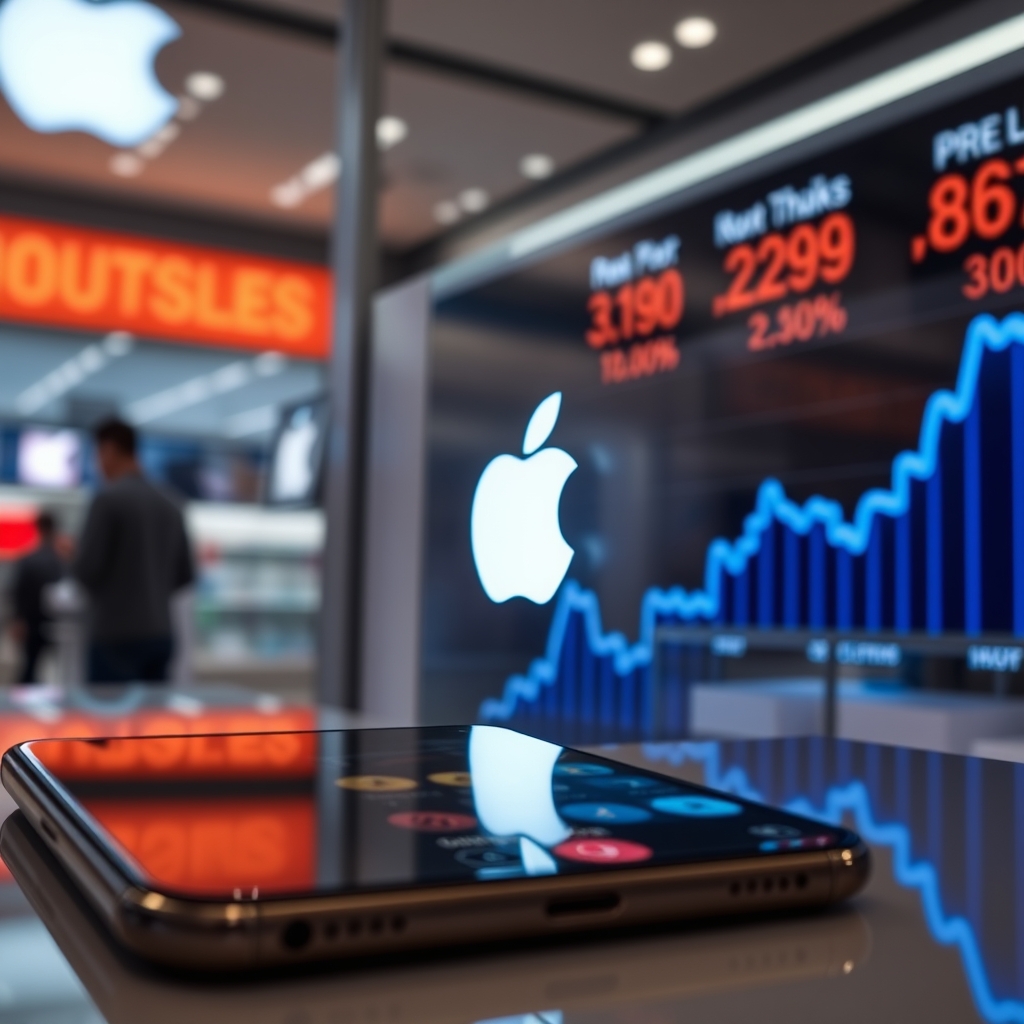
Apple has achieved a historic milestone in its fiscal performance, reporting record-breaking iPhone sales for the fourth quarter despite a strategic decision to omit a standard model from its latest device refresh. According to the company's earnings report released on Monday, iPhone revenue surged by 17 percent year-over-year, reaching an impressive $57.58 billion. This significant jump underscores the robust consumer demand for the premium tier of Apple's smartphone lineup, specifically the newly launched iPhone 18 Pro and Pro Max models, which debuted in September. The success of these high-end devices effectively compensated for the absence of a mid-range or standard iPhone, demonstrating that Apple's core user base remains heavily invested in the Pro ecosystem.
The revenue increase is largely attributed to the launch of the iPhone 18 series, which featured a price hike across the board, including for older models. While Apple also unveiled its first folding smartphone, the iPhone Duo, during this period, its pre-order sales were not included in this specific earnings report. The company noted that supply chain constraints and rising memory costs have necessitated these price adjustments. John Ternus, Apple's CEO, clarified during an interview with CNBC that higher memory costs compared to the June quarter were partly offset by inventory benefits and lower costs on non-memory components. This strategic pricing reflects broader industry trends where hardware manufacturers are grappling with increased material expenses.
Beyond the iPhone division, Apple reported a 12 percent increase in total revenue, ballooning to $114.5 billion. The Mac business segment showed particularly strong growth, rising 24 percent to reach $10.79 billion, driven by renewed interest in the company's laptop and desktop lines. The services division, which encompasses App Store commissions and subscriptions to platforms like Apple TV and Apple Music, continued its steady climb, growing to $31.57 billion. Conversely, iPad revenue experienced a decline of 10 percent year-over-year, totaling $6.23 billion in sales, suggesting a potential shift in consumer preference towards other device categories or a saturation in the tablet market.
In broader product strategy developments, Apple has been aggressively expanding its presence in the smart home sector. Over the past several weeks, the company launched its first smart home display, along with a suite of video doorbells, security cameras, and door locks developed in collaboration with partners such as LG and Schneider Electric. Additionally, Apple recently revealed a new MacBook Pro equipped with a touchscreen, a design choice that company executives had famously resisted for years. These moves indicate a concerted effort to diversify revenue streams and maintain technological leadership across multiple consumer markets, even as the company navigates complex global supply chain dynamics and competitive pressures in the premium smartphone sector.