Beyond Moore’s Law: The Physics of Computing’s Next Leap and the Permafrost Crisis
As transistor scaling stalls, the industry pivots to new physics-based solutions, while field reports from Alaska reveal the severe climate impact of permafrost fires.
S
··1 min readSciTech Editorial Team
Newsroom
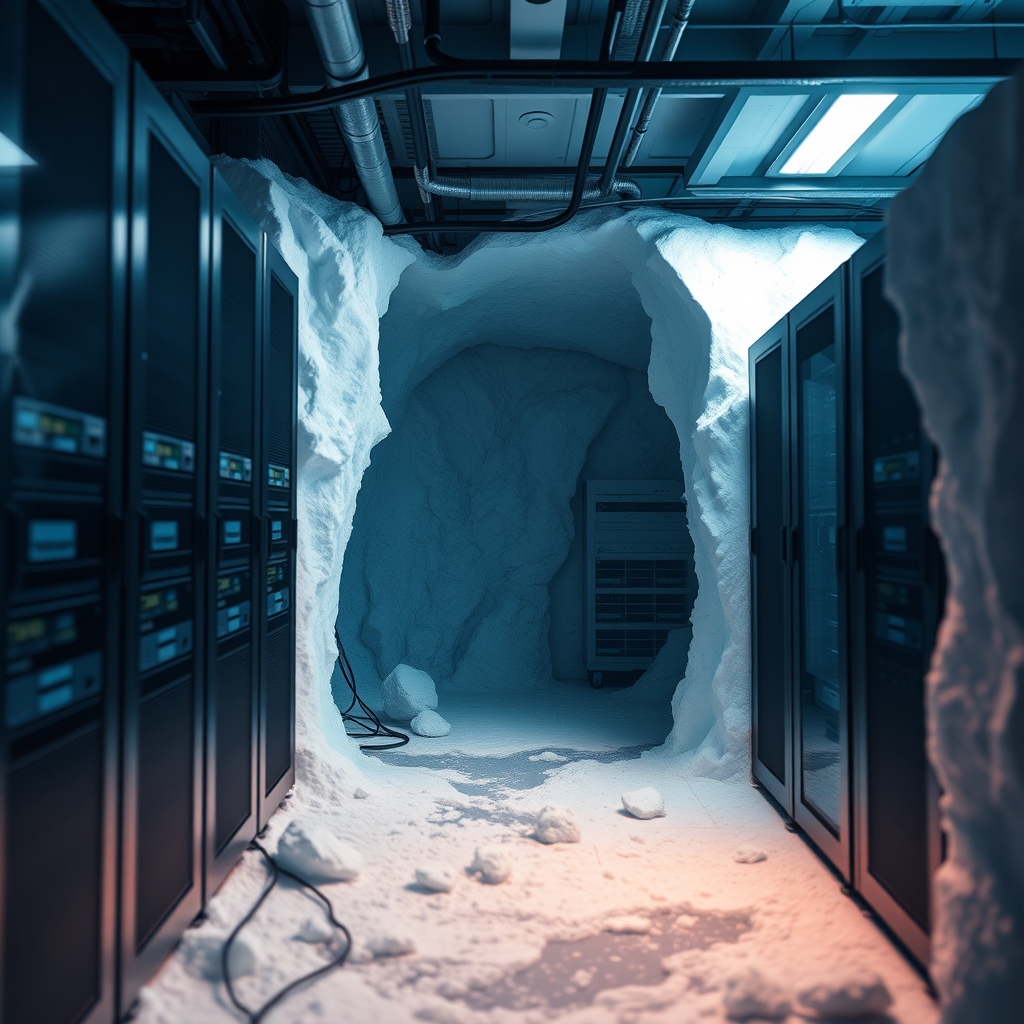
The era of 'free' computational gains, driven by the relentless halving of transistor sizes, has officially stalled. For decades, the industry relied on this easy descent into the microscopic, a concept first articulated by physicist Richard Feynman in his 1959 lecture, 'There’s Plenty of Room at the Bottom.' However, as physical limits are reached, the sector is increasingly resorting to brute force, constructing ever-larger data centers to maintain performance growth. Yet, fundamental laws of physics still offer significant room for improvement, prompting researchers to explore novel architectures that could unlock the next major leap in computing power.
In parallel, a critical climate threat is emerging from the thawing permafrost. James Temple’s recent field report from Alaska highlights the complex interplay between forest fires and frozen soil. The data reveals that these fires are not merely environmental nuisances but are accelerating the degradation of permafrost, releasing trapped greenhouse gases and exacerbating the global climate crisis. This phenomenon represents a significant, yet often underappreciated, variable in the broader puzzle of climate change.
The convergence of these two narratives—computational limits and climatic instability—underscores the urgent need for interdisciplinary innovation. As the industry seeks to bypass physical barriers in hardware, scientists are racing to understand and mitigate the cascading effects of a warming planet. The next decade will likely be defined by breakthroughs that address both the efficiency of our digital infrastructure and the stability of our natural systems, marking a pivotal shift in how we approach technological and environmental challenges.