Beyond the Doom: New Data Reveals Unexpected Optimism in the Climate Crisis
A new Nature Podcast series challenges climate doom narratives by analyzing data on renewable energy and AI, revealing nuanced reasons for hope despite recent political setbacks and record-breaking heat.
S
··2 min readSciTech Editorial Team
Newsroom

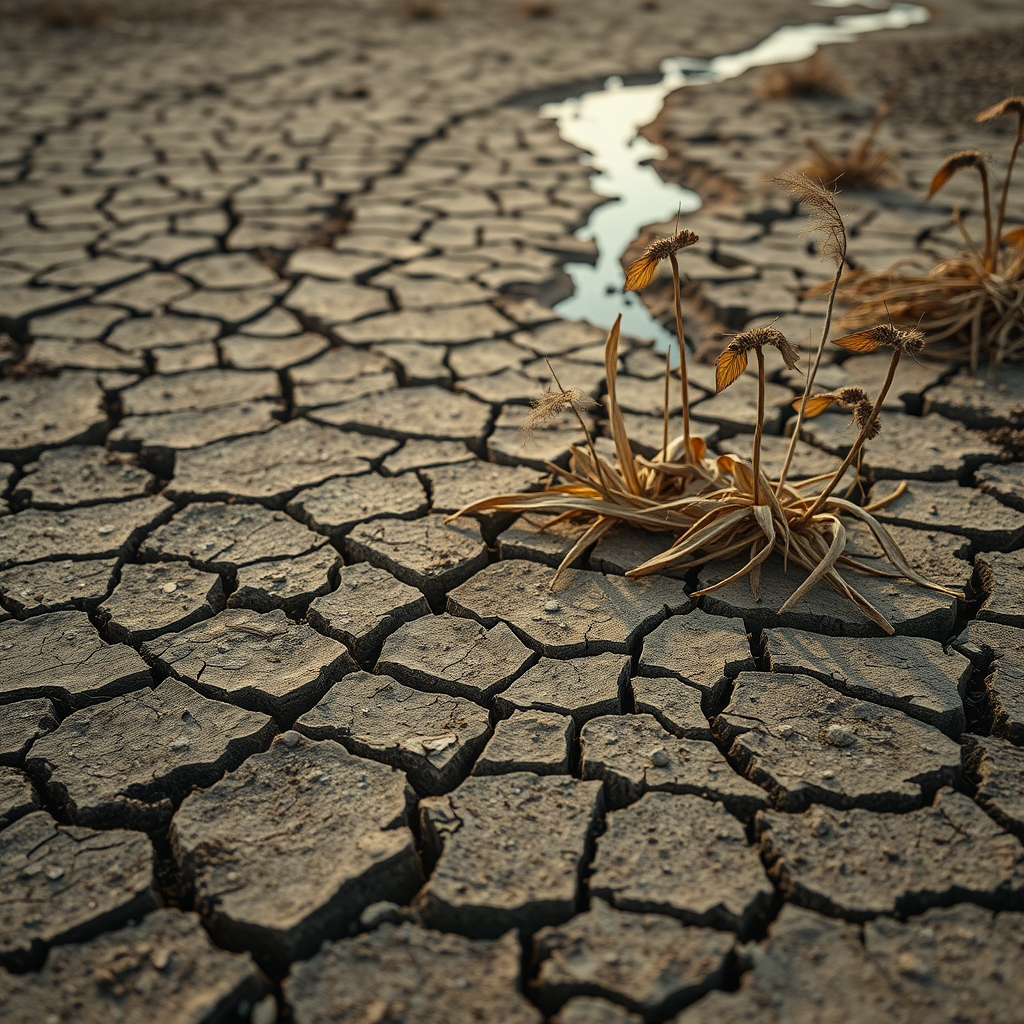
The past year has been a period of intense climatic volatility, characterized by record-breaking temperatures, devastating floods, and catastrophic wildfires that have brought the harsh realities of climate change into sharp focus for the global population. Simultaneously, a concerning trend has emerged where many governments and international organizations have scaled back their climate action commitments. This juxtaposition of escalating environmental disasters and retreating political will has created a pervasive atmosphere of anxiety, often described as 'doom and gloom,' among the public and policymakers alike.
In response to this overwhelming narrative, Nick Petrić Howe, a science journalist and host of the Nature Podcast, launched a new three-part miniseries titled 'Cooked?' to confront climate anxiety head-on. The objective is not to dismiss the severity of the crisis, but to rigorously examine what the data actually says. By engaging with leading experts worldwide, the series seeks to identify genuine reasons for optimism amidst the chaos, moving beyond emotional reactions to grounded scientific analysis.
The technical and scientific context of the discussion involves a deep dive into renewable energy trajectories and the complex role of artificial intelligence. Experts like Hannah Ritchie, a data scientist, emphasize the necessity of looking at the data to understand the origins of these problems and, crucially, what solutions are viable. The dialogue highlights that while the 1.5°C threshold set in the Paris Agreement was breached in 2024, the system is changing at an exponential speed, with potential tipping points that could accelerate the energy transition.
However, the path forward is not without significant uncertainty. Researchers such as Ketan Joshi note that we have never faced this level of unpredictability regarding a technological shift of this magnitude. The debate extends to whether the rapid advancement of AI will stall climate progress due to energy consumption or serve as a tool for optimization. Furthermore, the political landscape remains challenging, with recent reversals in climate policies by major powers and the weakening of environmental regulations in Europe complicating the global response.
Despite these hurdles, the broader implications suggest a story of societal change and snowballing effects. Madalina Vlasceanu points to a positive feedback loop where individual actions can catalyze larger collective movements. The series aims to debunk the notion that it is 'game over' for the climate, arguing instead that the truth is more complicated than the prevailing negative narrative. By focusing on the data, the experts provide a nuanced view that balances the urgency of the crisis with the tangible progress being made in renewable technologies and policy frameworks.
This investigative approach underscores the importance of scientific literacy in understanding climate change. It challenges listeners to look beyond the immediate headlines of disaster and consider the long-term trends and technological innovations that are reshaping the global energy landscape. The miniseries serves as a critical resource for anyone seeking to navigate the complex intersection of climate science, technology, and policy, offering a roadmap for hope grounded in empirical evidence rather than speculation.