Bionic Breakthrough: First Patient to Use Nerve-Linked LUKE Arm at Home
Avi Davidson becomes the first to use the nerve-linked LUKE bionic arm at home, marking a new era in prosthetic sensory feedback.
S
··2 min readSciTech Editorial Team
Newsroom
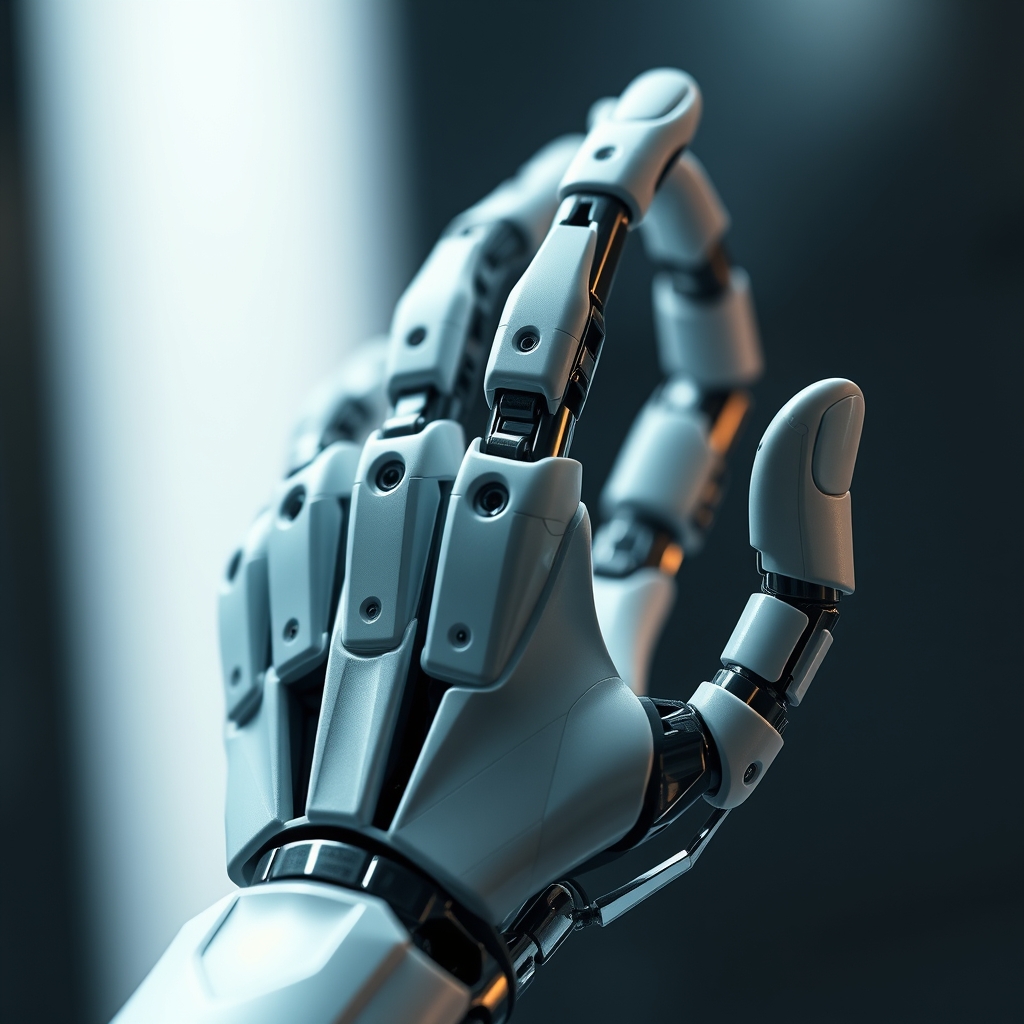
Avi Davidson, a 33-year-old trauma therapist, has become the first individual to take home and independently use the bionic LUKE arm, a groundbreaking prosthetic device that allows users to feel pressure. Davidson, who lost his left hand in a severe accident at age 16, is the ninth participant in a clinical trial led by the University of Utah. Unlike previous trials that focused primarily on the mechanical arm, this study emphasizes a novel method of connecting the prosthesis directly to the user’s nervous system, enabling both motor control and sensory feedback.
The LUKE arm, named after the Star Wars character, was originally developed in the 2000s and approved by the FDA in 2014. However, the current innovation lies in the neural interface. During a complex surgical procedure in late January, researchers implanted an electrode array containing 100 needles into three nerves in Davidson’s forearm. To ensure secure attachment to the flexible nerve tissue, the team used a high-velocity 'compressed-air gun' to shoot the needle grid into the nerves. Additionally, 24 electrodes were inserted into surrounding muscles to facilitate movement signals.
Post-surgery, the focus shifted to training the computer system to translate Davidson’s neural electrical activity into precise hand and wrist movements. This bidirectional training process involves converting nerve signals into motor commands and, crucially, linking electrodes to sensory inputs. This sensory link is what allows Davidson to perceive the amount of pressure he is applying, a capability that was previously impossible with standard prosthetics. The initial mapping of movement signals took only about five minutes, demonstrating the efficiency of the neural decoding process.
Davidson’s journey to this milestone was marked by significant personal challenges. His accident resulted in extensive burns, multiple fractures, and spinal cord damage, leading to the amputation of his dominant hand due to gangrene. For years, he relied on basic hooks and muscle-controlled prosthetics, some of which he purchased secondhand. His participation in the trial was driven by a desire to help others, as he is not compensated and must undergo a second surgery to remove the device. Researchers at the University of Utah’s neurorobotics lab are closely monitoring his experience to understand the long-term impact on his well-being, brain function, and daily usability, aiming to refine the technology for broader clinical application.