Bionic Hands Gain Sense of Touch as AI Drives Natural Gas Boom
A bionic hand gains tactile sensitivity for the first time, while AI's power hunger drives a massive expansion of natural gas infrastructure in the US.
S
··2 min readSciTech Editorial Team
Newsroom
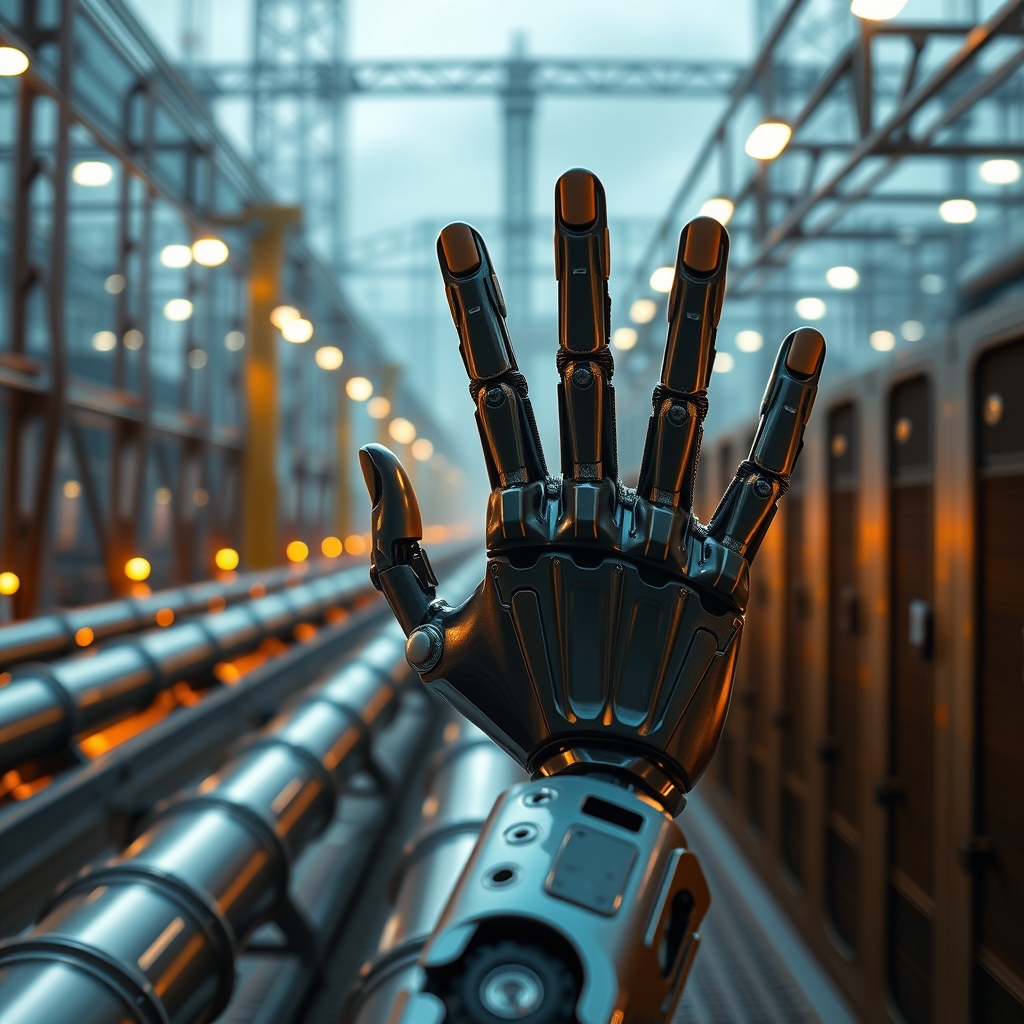
In a landmark breakthrough for prosthetics, Avi Davidson has become the first person to independently use an experimental bionic hand capable of sensing pressure. Davidson, who lost his left hand as a teenager, has cycled through several prosthetics, but this latest device is wired directly to the nerves in his forearm. For the first time in years, he can handle delicate objects such as grapes, eggs, or a loved one’s hand with natural sensitivity. As the ninth person to receive this implant, Davidson’s independent use marks a critical milestone for researchers seeking to understand how the technology functions in daily life and its long-term effects on the brain and nervous system.
Simultaneously, the rapid expansion of artificial intelligence is driving a significant shift in energy infrastructure. Just 18 months after warnings that AI could increase dependence on fossil fuels, data confirms a surge in natural gas consumption. In Louisiana, plans for Meta’s data center have expanded dramatically, with local utilities scaling up from three planned natural-gas plants to ten. This expansion reflects a broader trend across the United States, where natural gas has become the default solution to meet the exploding power demand generated by AI workloads.
The environmental impact of this technological race is becoming increasingly apparent. Meta’s emissions have risen by 45% compared to the previous year, highlighting the tension between computational advancement and climate goals. As data centers grow in size and complexity, the reliance on natural gas threatens to lock in carbon-intensive infrastructure for decades. This development underscores the urgent need for alternative energy sources to support the next generation of AI without exacerbating the climate crisis.
Beyond energy and prosthetics, other technological developments continue to reshape the landscape. SpaceX has received approval to launch one million data center satellites to meet AI computing demands, though critics warn of orbital congestion and light pollution. Meanwhile, Neuralink has secured approval for brain-implant trials in ALS patients, marking the final stage before market clearance. These advancements, alongside the increasing sophistication of AI models in solving complex puzzles, illustrate a period of rapid, albeit controversial, innovation in the tech sector.