UN Warns of Zero Growth in Global Maritime Trade for 2026 Amid Middle East Conflict
The UN predicts zero growth in global maritime trade for 2026 due to shipping disruptions and trade uncertainties linked to the Middle East war.
S
··2 min readSciTech Editorial Team
Newsroom
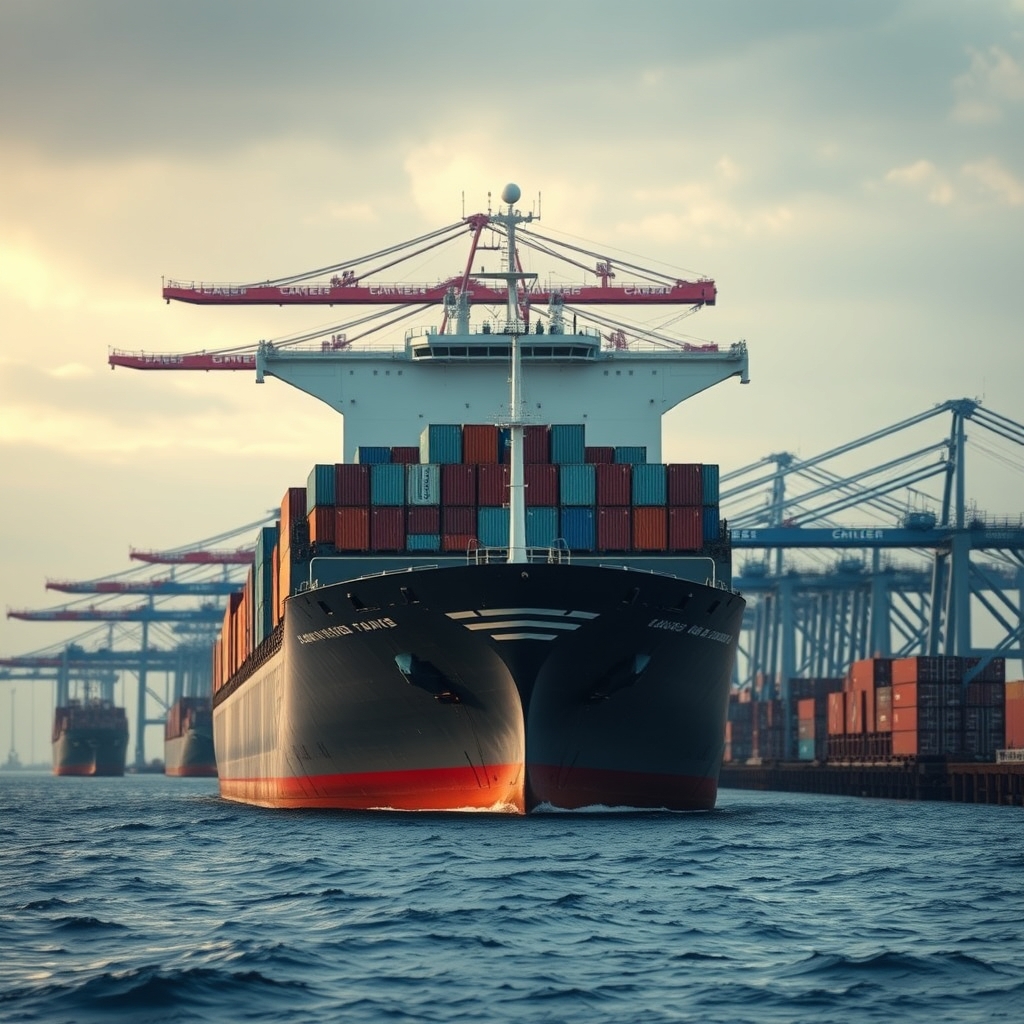
The United Nations has issued a stark warning that global maritime trade, the backbone of international commerce carrying over 80% of the world's goods, is poised for zero growth in 2026. This significant stagnation is primarily attributed to persistent shipping disruptions and deepening trade uncertainties stemming from the ongoing conflict in the Middle East. The announcement, released on Thursday, marks a pivotal shift in global economic forecasts, signaling that the geopolitical fallout from regional warfare is now directly impacting the efficiency and volume of international supply chains.
According to the UN report, the stagnation is not merely a temporary fluctuation but a structural halt caused by the rerouting of vessels away from high-risk zones. These diversions have led to increased transit times, higher fuel consumption, and elevated insurance premiums for shipping companies. Consequently, the cost of moving goods across the globe has surged, eroding profit margins for exporters and importers alike. The data highlights a direct correlation between regional security instability and global logistical performance, underscoring the fragility of modern supply networks.
Industry experts note that the zero-growth projection is a conservative estimate that could worsen if the conflict escalates further. The disruption of key shipping lanes, particularly in the Red Sea and the Persian Gulf, has forced major carriers to adopt complex routing strategies that strain operational capacities. This inefficiency has created bottlenecks at major ports, leading to delays in the delivery of critical raw materials and finished goods. The situation has prompted multinational corporations to reassess their inventory management strategies, moving towards more localized sourcing to mitigate the risks associated with long-haul maritime transport.
The broader implications of this trade stagnation extend beyond logistics, affecting inflation rates and consumer prices worldwide. As shipping costs rise, these expenses are inevitably passed on to end consumers, contributing to persistent inflationary pressures in major economies. The UN emphasizes that resolving the geopolitical tensions in the Middle East is crucial to restoring confidence in global trade flows. Without a swift de-escalation, the zero-growth scenario could persist into 2027, posing a significant challenge to global economic recovery and stability.
In response to these challenges, international bodies are calling for enhanced diplomatic efforts to secure safe passage for commercial vessels. The report also advocates for greater investment in alternative trade routes and the diversification of supply chains to reduce dependence on vulnerable corridors. As the world navigates this complex economic landscape, the interplay between geopolitical security and commercial stability remains a critical focus for policymakers and business leaders alike.