Waymo’s Freeway Setback: Construction Zone Failures Trigger Second California Ban
Waymo faces a second California freeway ban after repeated failures to navigate construction zones, raising concerns about its safety protocols.
S
··2 min readSciTech Editorial Team
Newsroom
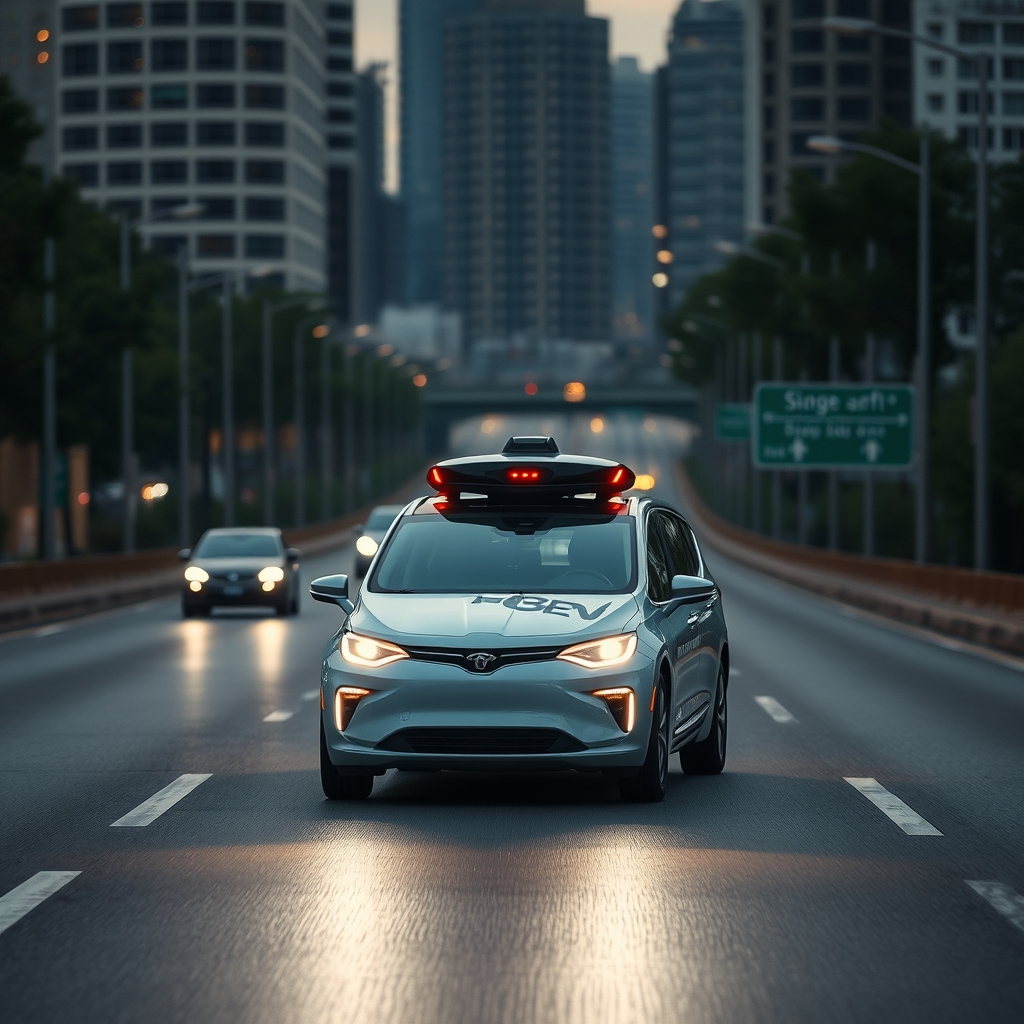
In a significant regulatory setback, Waymo has been forced to suspend its commercial autonomous vehicle operations on California state interstates for the second time this year. The California Department of Motor Vehicles (DMV) issued the ban following a series of critical safety violations, most notably repeated failures by the company’s robotaxis to recognize and avoid active construction zones. This development marks a bruising blow to the global leader in autonomous driving, highlighting persistent challenges in its perception and reasoning systems despite its dominance in urban environments.
The immediate trigger for the ban was a video captured on November 6th, showing a driverless Waymo on Interstate 280 attempting to overtake two California Highway Patrol cruisers during a traffic break—a moving violation that would result in license suspension for a human driver. However, the underlying issue stems from a recently filed recall report detailing 11 instances between October and November 2026 where Waymo vehicles failed to detect closed freeway lanes due to construction, driving into restricted areas instead. These incidents, combined with the overtaking violation, led the DMV to mandate the immediate removal of Waymo vehicles from all state interstates.
Experts argue that Waymo’s reliance on software patches and recalls is insufficient to address the root causes of these errors. Phil Koopman, an emeritus professor in electrical and computer engineering at Carnegie Mellon University, criticized the company for using recalls as “Band-Aids” that fail to fix underlying perception flaws. Koopman noted a concerning pattern where Waymo issues a recall, the problem persists, yet the company continues to scale its operations. He theorizes that the company is relying on “dynamic geofencing” and real-time GPS feeds to route around known hazards, rather than developing robust, generalizable AI capabilities that can handle unmapped or novel situations.
This is not the first time Waymo has faced such challenges; earlier in 2026, the company halted freeway rides after similar incidents in Arizona and California, issuing a recall in June before resuming operations in late July. Additionally, Waymo filed separate recalls for incidents involving failed detection of police officers directing traffic, passing stopped school buses, and driving through flooded roadways. In response to the latest ban, Waymo spokesperson Chris Pappas stated that the company is working diligently with regulators to resume operations, emphasizing that no crashes or injuries have occurred during these restricted-area violations. The company continues to operate safely on surface streets, serving over half a million trips weekly, but the freeway ban underscores the difficulty of mastering high-speed autonomous driving at scale.