Breakthroughs in Organ Preservation and Silicon-Carbon Batteries Reshape Tech Landscape Amid AI Hype
Australian researchers keep a liver alive for seven weeks, while Sila signs a billion-dollar battery deal with Panasonic Energy.
S
··1 min readSciTech Editorial Team
Newsroom
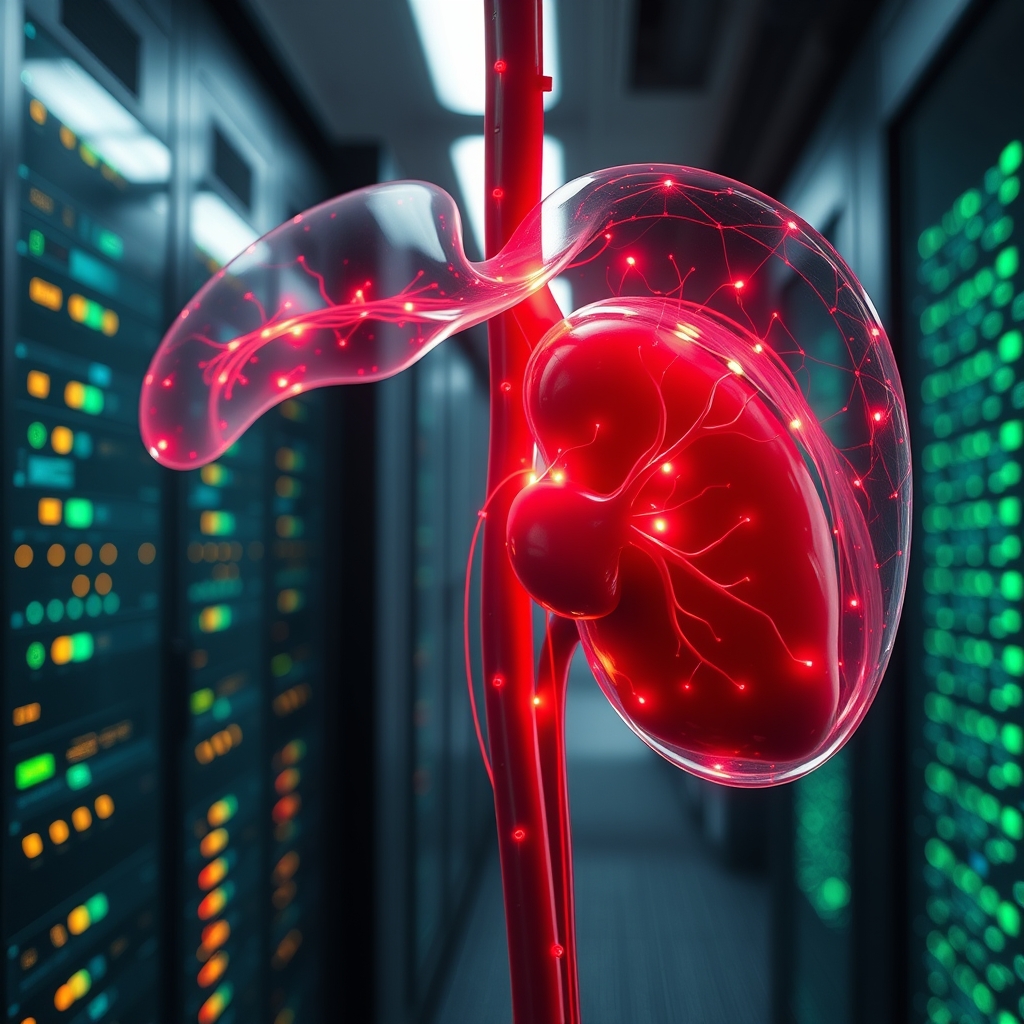
In a landmark achievement for biomedical engineering, Australian researchers have successfully kept a human liver alive on life support outside the body for seven weeks, shattering the previous record of approximately two weeks. This breakthrough was accomplished by connecting a donated liver to an advanced system of automated pumps and sensors that continuously supplied nutrients and blood while removing waste products. This significant extension of organ viability opens new avenues for repairing damaged organs and potentially growing new ones, with some researchers even exploring applications in artificial wombs.
Simultaneously, the US battery industry is witnessing a strategic shift marked by a major commercial agreement. Sila, a next-generation battery material company, has signed a deal with Panasonic Energy to supply silicon-carbon anode material, a contract valued at over $1 billion. This partnership aims to scale production and bring smaller, lighter batteries to the market. However, the deal also highlights the changing political landscape of the battery sector, as the supporting factory is backed by a $1.4 billion loan from the Trump administration’s Defense Department, signaling a pivot toward geopolitical security concerns rather than solely the energy transition.
Amidst these tangible advancements, the tech world continues to grapple with the distinction between AI reality and hype. The latest edition of the AI Hype Index tracks the industry's spread across diverse sectors, from literary prizes to cyberattacks and AI-generated adaptations of classic literature. While AI data centers are projected to drive a 70% rise in emissions by 2030, the industry faces scrutiny over its environmental impact and the sustainability of its rapid expansion.
Other notable developments include China’s approval of the NEO brain-computer interface, marking the first invasive BCI approved for use beyond clinical trials, and Ukraine’s use of relay drones to strike targets without relying on Starlink. These events underscore the accelerating pace of technological innovation and its profound implications for global security and health.