BYD’s Yangwang U9 Xtreme Shatters 500 km/h Barrier, Hits 503.17 km/h
BYD’s Yangwang U9 Xtreme hit 503.17 km/h on a closed Abu Dhabi highway, becoming the first production car to exceed 500 km/h, with FIA and Guinness validation.
S
··2 min readSciTech Editorial Team
Newsroom
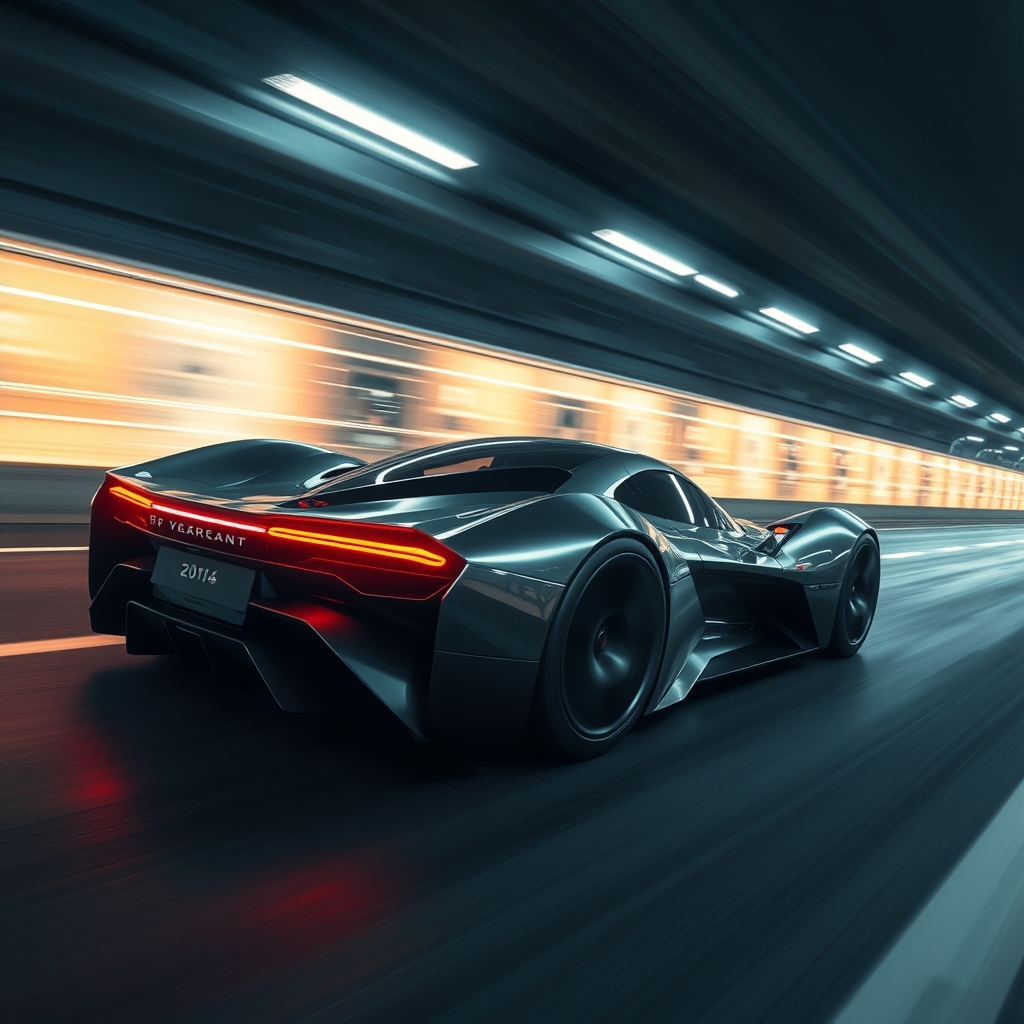
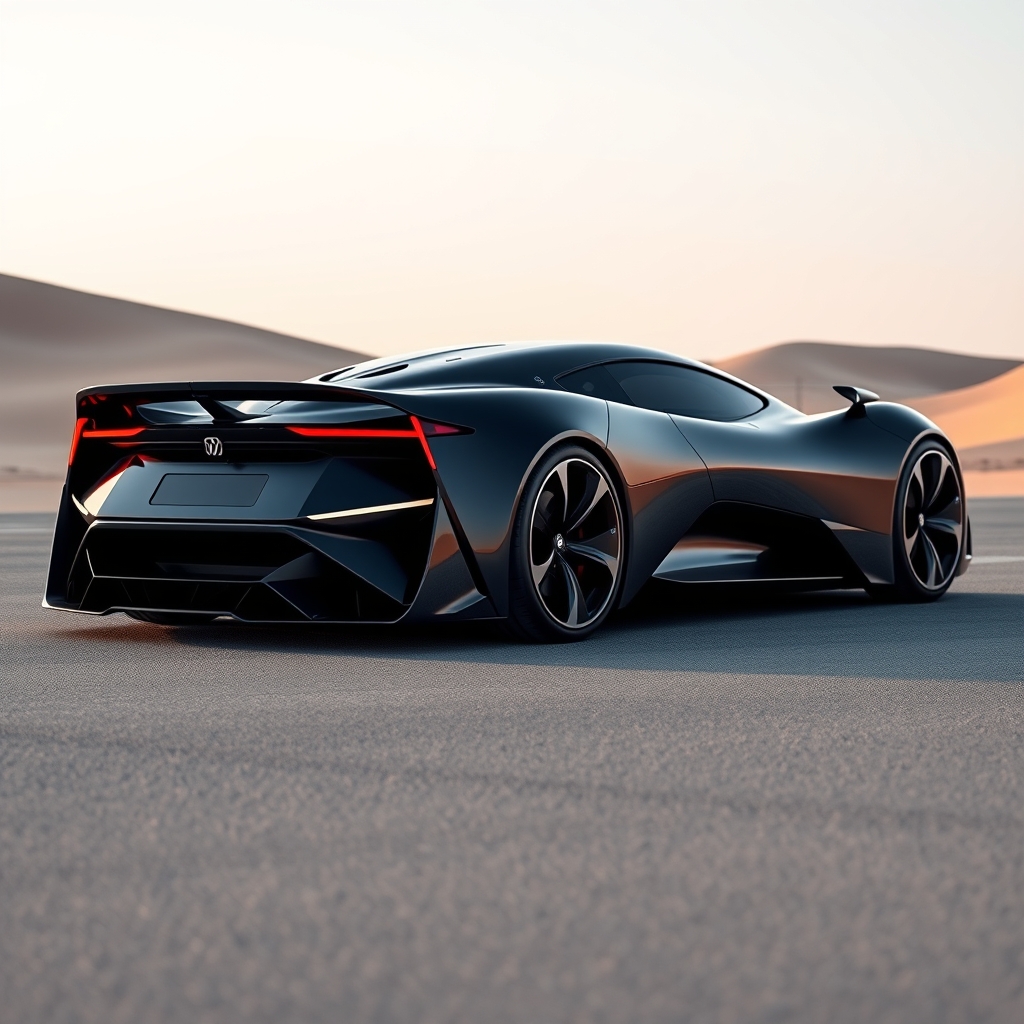
In a landmark run on November 6, 2026, BYD’s Yangwang U9 Xtreme reached a verified top speed of 503.17 km/h (312.66 mph) on a closed highway in Abu Dhabi, becoming the first production vehicle to break the 500 km/h threshold. The achievement was officially certified by both the Fédération Internationale de l'Automobile (FIA) and Guinness World Records, underscoring the hypercar’s status as a benchmark for electric performance.
The U9 Xtreme is powered by a dual‑motor electric drivetrain delivering roughly 1,200 kW (1,600 hp) and a high‑density lithium‑metal battery pack capable of discharging at 1,200 A. Advanced aerodynamic elements, including an active rear diffuser and a carbon‑fiber underbody, generate a downforce of 1,800 N at top speed, while a bespoke thermal‑management system keeps motor temperatures below 120 °C during the 30‑second sprint. The test was conducted on a 20‑km stretch of the Abu Dhabi highway under optimal weather conditions, with a measured acceleration from 0 to 300 km/h in 12.3 seconds.
This record follows BYD’s earlier 2025 feat, where the same model topped out at 498 km/h, making the 2026 run the second top‑speed milestone within just over a year. BYD’s rapid iteration reflects its aggressive R&D strategy, positioning the Chinese automaker alongside traditional supercar makers such as Bugatti and Koenigsegg, but with a fully electric powertrain.
Beyond the headline numbers, the breakthrough reshapes perceptions of electric mobility. It demonstrates that electric propulsion can rival, and even surpass, internal‑combustion supercars in raw speed, potentially accelerating regulatory acceptance of high‑performance EVs and spurring investment in ultra‑fast charging infrastructure. Analysts predict that the U9 Xtreme’s technology will cascade into BYD’s broader lineup, raising the performance ceiling for consumer‑grade electric vehicles.
Nevertheless, challenges remain. The extreme power draw demands a robust grid connection and raises questions about battery longevity under repeated high‑stress runs. Safety protocols for vehicles exceeding 500 km/h are still evolving, and the cost of the U9 Xtreme’s carbon‑fiber chassis and bespoke battery remains prohibitive for mass markets. BYD has announced plans for a limited‑run “Xtreme 2.0” prototype targeting 550 km/h, with further testing slated for early 2027.