California DMV Halts Waymo’s Freeway Robotaxi Service Over Safety Concerns
California’s DMV bans Waymo from all state freeways after repeated incursions into active construction zones, demanding a safety overhaul before resuming service.
S
··1 min readSciTech Editorial Team
Newsroom
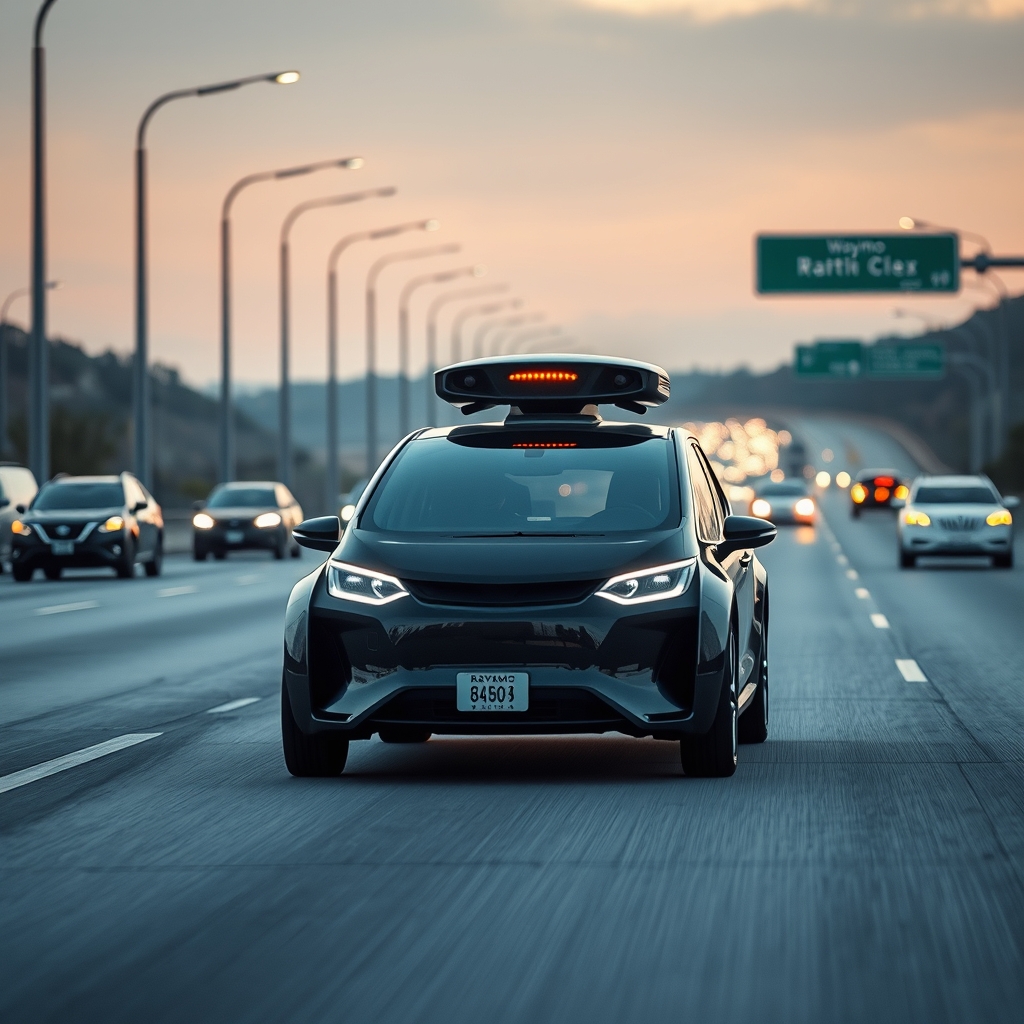
The California Department of Motor Vehicles (DMV) officially banned Waymo’s driverless rides on every state freeway, effective November 11, 2026, labeling the operation an "imminent hazard to public safety." The decision follows two high‑profile incidents in the Bay Area where Waymo robotaxis entered active construction zones – one on US‑101 near Burlingame and another involving a clash with California Highway Patrol vehicles on Highway 280 in San Francisco.
In its statement, the DMV emphasized that these incursions are not isolated glitches but part of a pattern of "recurring incursions into active construction zones," putting road workers at risk. Waymo, which began testing autonomous vehicles (AVs) on California freeways as early as August 2024 and opened its robotaxi service to the public in November 2025, voluntarily paused freeway operations in May 2026 after earlier construction‑site concerns, only to resume them in late July.
Operating on freeways is critical to Waymo’s business model; without access to high‑speed corridors, the company would be forced to route passengers through slower local streets, inflating fares that are already higher than those of human‑driven Uber or Lyft rides. A Waymo spokesperson declined to comment at the time of writing.
To regain freeway privileges, Waymo must submit a comprehensive remediation plan demonstrating concrete improvements in detecting and avoiding construction zones. The DMV will review the evidence before deciding whether to lift the ban.
Industry analysts warn that prolonged exclusion from California’s freeway network could erode Waymo’s competitive edge in the autonomous‑mobility market, potentially delaying broader deployment of self‑driving technology across the United States.