California Voters Reject 'Billionaire Tax' in Landmark Proposition 40 Defeat
California voters rejected Proposition 40, a proposed 5% wealth tax on billionaires, ending a contentious debate over capital flight and public funding.
S
··3 min readSciTech Editorial Team
Newsroom
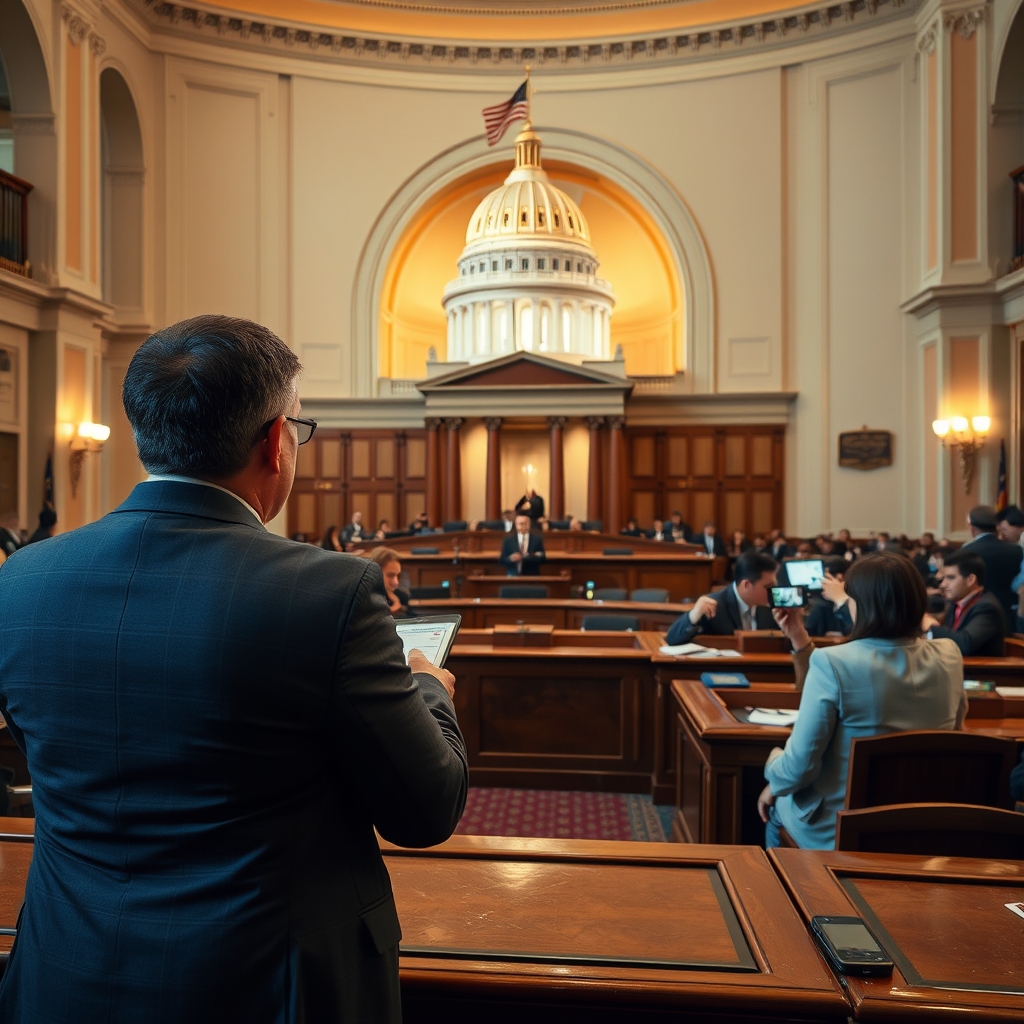
In a decisive blow to progressive fiscal policies, California voters have rejected Proposition 40, a proposed one-time 5% wealth tax targeting residents with a net worth exceeding $1 billion. The measure, which was set to fund critical public programs like Medi-Cal, failed to secure the necessary majority following an intense and expensive campaign that pitted labor unions against some of the tech industry’s wealthiest figures. Governor Gavin Newsom’s opposition further complicated the proposal’s path, signaling a broader political resistance to aggressive taxation of high-net-worth individuals in the state.
The debate surrounding the tax was fierce, with proponents arguing that the measure would generate up to $100 billion over five years to support healthcare and education. They emphasized that only about 200 billionaires in the state would be affected, representing a minimal inconvenience for a tiny fraction of the population. However, opponents, including venture capital leaders, warned that the tax would act as a deterrent, potentially driving capital out of California and stifling innovation. The argument centered on the idea that such a levy would discourage entrepreneurs from building large-scale companies within the state.
Nic Carter, a general partner at Castle Island Ventures, expressed strong opposition, arguing that the tax would signal to the entrepreneur class that they are a resource to be plundered. Carter suggested that the failure of the tax in California might actually benefit more fiscally conservative states like Florida and Texas, which could attract the displaced capital. He highlighted the potential for capital flight, noting that the threat of future taxes could inhibit venture capital investment, as investors would be wary of founders needing to liquidate significant portions of their shares to meet tax obligations.
Jesse Tinsely, co-founder and CEO of Mainstreet, echoed these concerns, stating that the proposed tax would remove the ability for individuals to bootstrap businesses into billion-dollar enterprises. Tinsely, who built his company from a background as a college dropout and firefighter, argued that the tax forces founders to either raise external capital or relocate, thereby limiting the autonomy and control they have over their companies. This sentiment was widely shared among business leaders who feared that the tax would fundamentally alter the landscape of entrepreneurship in the state.
Despite these concerns, Emmanuel Saez, a French economics professor at UC Berkeley and a key architect of the tax policy, dismissed the fears of losing founder control. Saez explained that the wealth tax would dilute economic ownership but not voting rights, as many billionaires use dual-class share structures to maintain control with limited shares. He also noted that the tax was designed to address the concentration of wealth driven by the AI boom, which has benefited a small number of companies and individuals. Saez argued that the state currently receives only about $3 billion annually from this group, representing a mere 1% of total revenue, and that the tax would help redistribute this wealth more equitably.
The rejection of Proposition 40 marks a significant setback for advocates of wealth taxation in the United States. It underscores the deep divide between progressive policymakers and the tech industry over the role of taxation in funding public services. The outcome may influence similar proposals in other states and could shape the future of fiscal policy debates in the country. As California remains a hub for innovation and wealth, the implications of this vote will be closely watched by economists, politicians, and business leaders alike.