Cholera Bacterium Yields Water-Resistant Bio-Glue with Unprecedented Strength
Researchers have harnessed a protein from Vibrio cholerae to create a water‑resistant adhesive that retains high strength, promising new surgical sealants and underwater repairs.
S
··1 min readSciTech Editorial Team
Newsroom
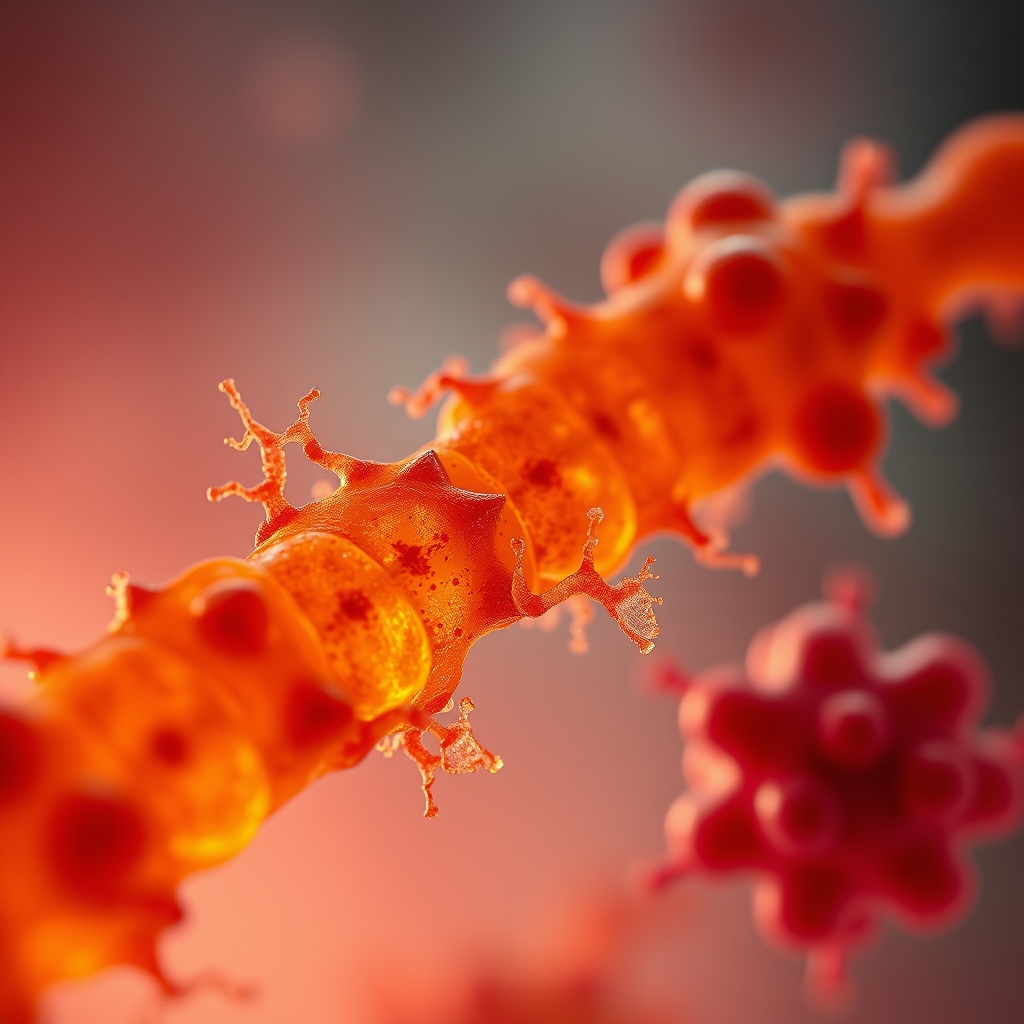
A team of researchers led by X. Huang has unveiled a protein secreted by the cholera bacterium (Vibrio cholerae) that self‑assembles into a glue capable of bonding in fully wet environments. Published in Science Advances (2026), the finding addresses a long‑standing gap: most polymer‑based adhesives lose strength when immersed in water, limiting their use in medicine and marine engineering.
The molecule, termed Vibrio cholerae extracellular matrix protein (Vc‑EM), organizes into hierarchical nanofibrils that are cross‑linked through dopamine‑like (dopa) residues, creating covalent bonds that boost shear strength to roughly 2 MPa. Spectroscopic analysis confirms a dense network of covalent linkages that resist hydrolytic degradation.
In laboratory tests the adhesive sealed wet mammalian tissue and metal coupons submerged in saline, retaining over 80 % of its initial strength after seven days of immersion. Lead author remarks, “The biological design lets us fine‑tune gelation time and viscosity, giving performance that synthetic adhesives cannot match.”
Potential applications span from surgical sealants that close wounds without sutures to underwater repair of submarines, pipelines, and other submerged structures. Compared with conventional polymers, the bio‑derived glue tolerates high salinity and reduces the risk of toxic leachates.
Scaling up protein production and completing comprehensive biocompatibility studies remain the next hurdles. The group is exploring recombinant expression systems and animal‑model trials to validate safety before moving toward clinical and industrial deployment.