Congress Moves to Tighten AI Chip Export Controls Amidst Nvidia Espionage Scandal
Congress is pushing for stricter AI chip export controls and demanding testimony from Nvidia leaders following the Jensen Huang espionage scandal.
S
··2 min readSciTech Editorial Team
Newsroom
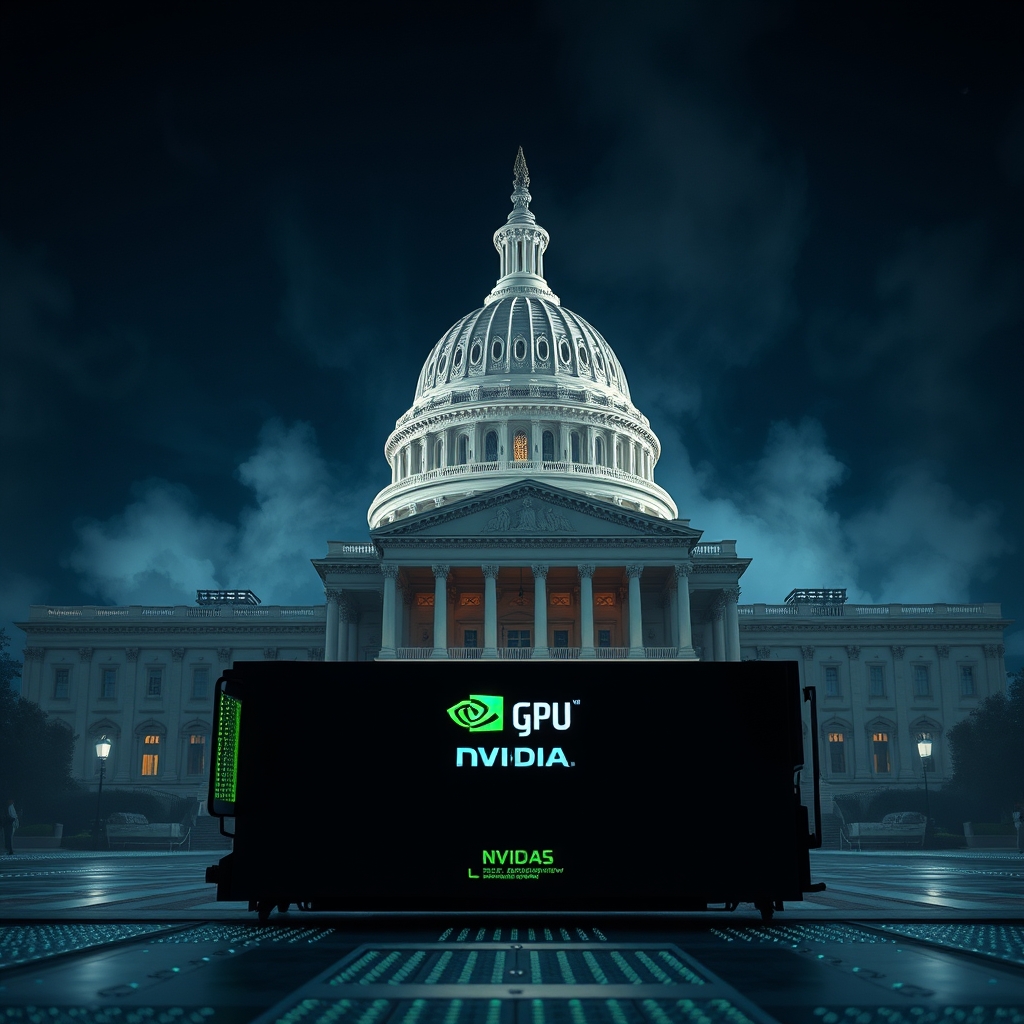
In a significant escalation of geopolitical tensions surrounding advanced technology, the United States Congress is moving to impose stricter export controls on artificial intelligence chips following revelations regarding the relationship between former Nvidia CEO Jensen Huang and a suspected Chinese spy. This development marks a pivotal moment in the ongoing struggle to prevent the proliferation of high-performance computing hardware to rival nations, particularly China, which has long sought to acquire such technologies for military and commercial applications. The scandal has not only shaken the tech industry but has also galvanized bipartisan support in Washington for more robust regulatory frameworks.
Both Democratic and Republican lawmakers have voiced strong support for measures that would tighten existing rules and demand accountability from corporate leadership. Senate Minority Leader Chuck Schumer has explicitly stated that Huang and the Trump administration must answer to Congress regarding the lapse in oversight. Furthermore, Tim Scott, Chairman of the Senate Banking Committee, has sent formal letters to both Huang and Commerce Secretary Howard Lutnick, calling for public testimony before the committee to clarify the extent of the security breach and the administrative failures that allowed it to occur.
Renewed interest is being shown in legislative proposals such as the Remote Access Security Act, which was first introduced in the House in April 2025 but previously stalled in the Senate. Although this specific bill may not pass in its current form, House Speaker Mike Johnson has indicated a "growing consensus in Congress on limiting chip exports to China." Johnson has personally endorsed efforts to restrict China’s access to powerful AI chips from leading companies like Nvidia, signaling a unified front against the potential leakage of critical technology.
The broader implications of these moves extend beyond immediate legislative action, pointing toward a fundamental shift in how the U.S. manages its technological edge. As the industry grapples with the aftermath of Huang’s resignation and the ensuing political drama, the focus remains on safeguarding national security. The next milestones will likely involve rigorous hearings and the potential passage of new trade restrictions that could reshape the global semiconductor supply chain and alter the competitive landscape for AI development worldwide.