COP31 Collapses Over Fossil‑Fuel Language, Sending a Stark Warning to the Climate Agenda
COP31 collapsed after nearly 100 countries walked out over the omission of fossil‑fuel transition language, underscoring a widening gap between climate ambition and political reality.
S
··1 min readSciTech Editorial Team
Newsroom
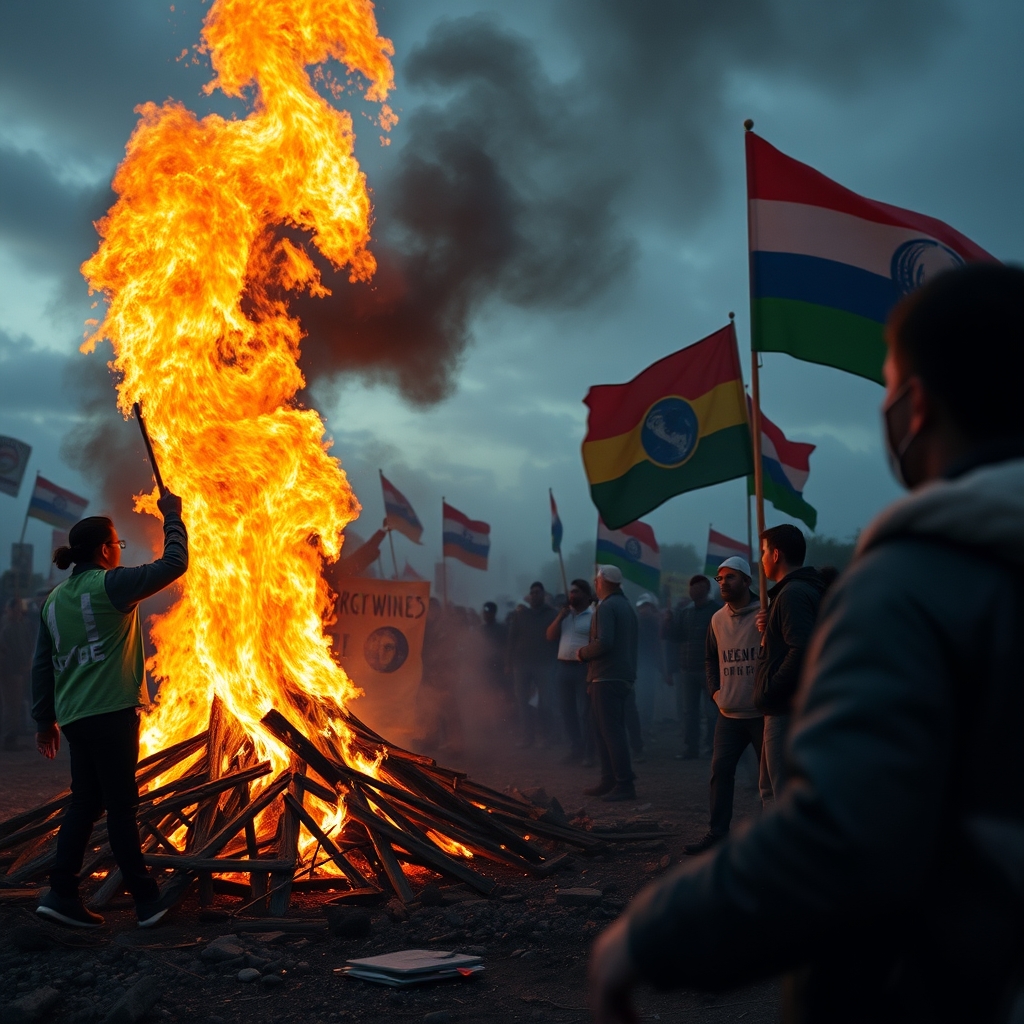
The 31st Conference of the Parties (COP31) ended in a dramatic overtime session on 22 November in Antalya, Turkey, without a consensus on a "cover decision" – a non‑binding statement meant to galvanise ambitious climate action. Nearly one hundred nations walked out because the draft failed to call for a transition away from fossil fuels, a omission that turned the summit into a symbolic failure.
The breakdown mirrors the 2009 Copenhagen debacle, the last time a climate summit collapsed so starkly. In the intervening 17 years, atmospheric carbon dioxide has risen by almost 40 parts per million, yet governments remain divided over how to curb the primary driver of warming – the combustion of coal, oil and gas. As James Lovelock warned after Copenhagen, humanity is still not “evolved enough” to manage the complexity of climate change.
Negotiators entered Antalya with cautious optimism. Rising energy prices, geopolitical tensions and acute supply shortages were expected to push countries toward a unified pledge to phase out fossil fuels. However, intensive lobbying by oil‑rich states erased the critical language from the draft, prompting a coalition of about 90 countries – led by the European Union and vulnerable island nations – to reject the agreement.
The implications are profound. Without an explicit commitment to abandon fossil fuels, the global trajectory toward the 1.5 °C limit set by the Paris Agreement looks increasingly untenable. Investors risk misallocating trillions of dollars into stranded‑asset projects, while vulnerable communities face escalating climate‑related losses. The next milestone, COP32 in Brazil, will test whether diplomatic pressure can resurrect a credible pathway to net‑zero emissions.
Experts stress that the failure of COP31 should not be seen as the end of climate diplomacy but as a catalyst for new mechanisms, such as legally binding emissions‑reduction treaties and accelerated deployment of renewable energy technologies. The world now watches whether the international community can translate scientific urgency into political will before the climate window closes.