Cryosphere Collapse: New Science Reveals Frozen World Has Exceeded Safe Planetary Limits
New research in Science warns that the cryosphere has breached safe planetary limits, posing systemic risks to human society.
S
··2 min readSciTech Editorial Team
Newsroom
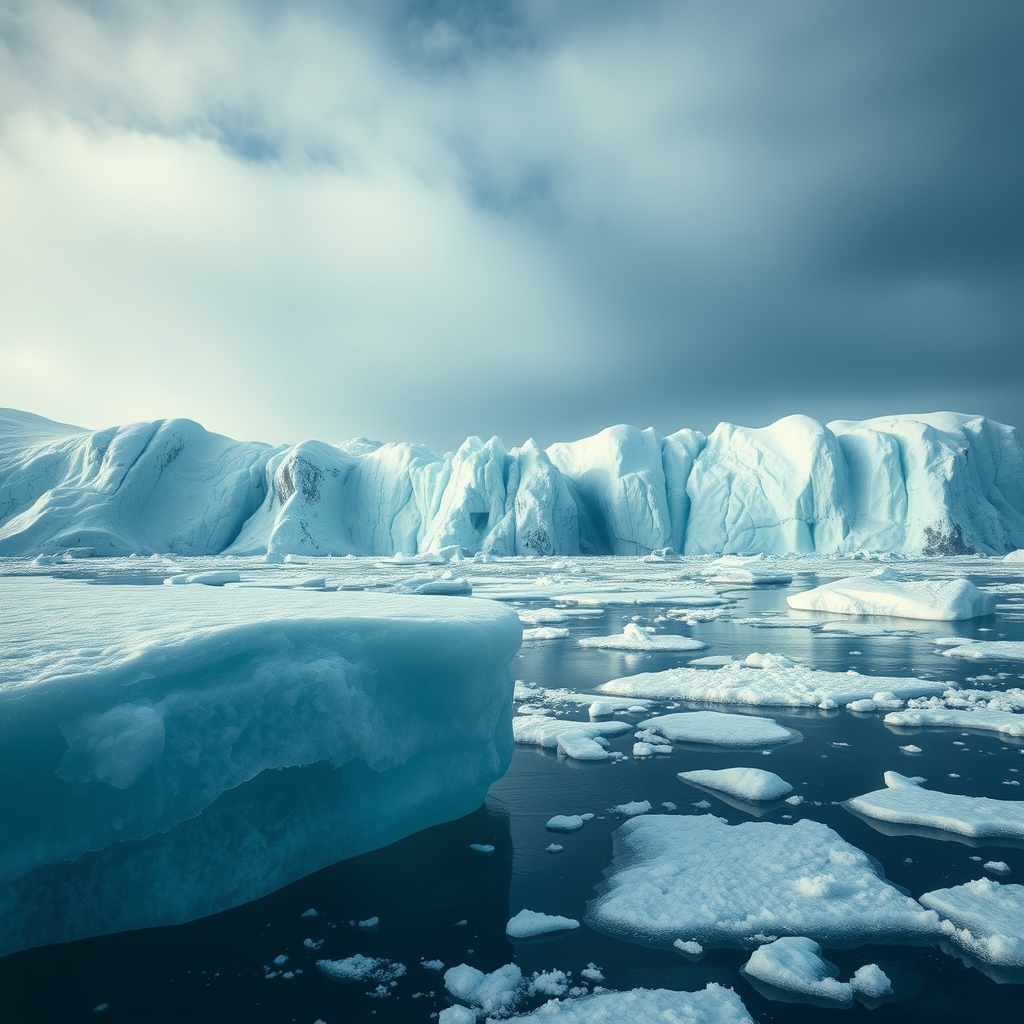
A landmark study released in conjunction with the COP31 climate summit has delivered a stark warning regarding the integrity of the Earth's cryosphere. Published in the prestigious journal Science, the research indicates that human-induced climate change is degrading the planet's frozen components—including ice sheets, mountain glaciers, sea ice, permafrost, and snow cover—beyond established safe environmental limits. This finding marks a critical turning point, signaling that the degradation of these landscapes is no longer a future projection but a present reality that systematically threatens the Earth system conditions upon which humanity fundamentally depends.
The study meticulously analyzes the cumulative impact of rising global temperatures on the cryosphere, revealing that the rate of ice loss and permafrost thaw has accelerated significantly in recent decades. Researchers emphasize that these frozen regions act as critical regulators of the global climate system, influencing sea levels, ocean circulation, and atmospheric composition. By crossing the threshold of safe planetary boundaries, the cryosphere is now contributing to a positive feedback loop, where melting ice exposes darker surfaces that absorb more heat, further accelerating the warming process. This technical analysis underscores the fragility of the current equilibrium and the urgent need for immediate intervention.
Experts involved in the research highlight that the implications of this decline extend far beyond environmental aesthetics or polar ecosystems. The systematic threat to the Earth system conditions poses direct risks to global food security, water availability, and the stability of coastal communities worldwide. As permafrost thaws, it releases vast quantities of trapped greenhouse gases, exacerbating the very climate change that is driving the melt. This interconnectedness means that the health of the cryosphere is inextricably linked to the economic and social stability of human societies, making its preservation a matter of existential importance.
The publication of these findings at COP31 serves as a powerful catalyst for diplomatic and policy action. The data provides an irrefutable scientific basis for demanding more aggressive emission reduction targets from major industrialized nations. Policymakers are now faced with the difficult task of translating these scientific warnings into concrete legislative frameworks that prioritize the protection of the cryosphere. The study suggests that without a fundamental shift in global energy policies and industrial practices, the safe limits will be breached further, leading to irreversible changes in the planet's climate architecture.
Looking ahead, the research outlines several critical milestones that will determine the trajectory of the cryosphere over the coming decades. Scientists are calling for enhanced monitoring technologies and international cooperation to track the pace of ice loss and permafrost degradation in real-time. The broader implications of this study resonate with a growing consensus that the window for effective climate action is narrowing rapidly. As the world grapples with the consequences of past inaction, the cryosphere's decline stands as a sobering reminder of the urgent need to safeguard the natural systems that sustain life on Earth.