Data Center Boom Faces Reality Check: Many Announced AI Hubs May Never Materialize
Industry experts warn that many announced AI data‑center projects face local opposition, permitting delays, and power shortages, making their construction unlikely.
S
··1 min readSciTech Editorial Team
Newsroom
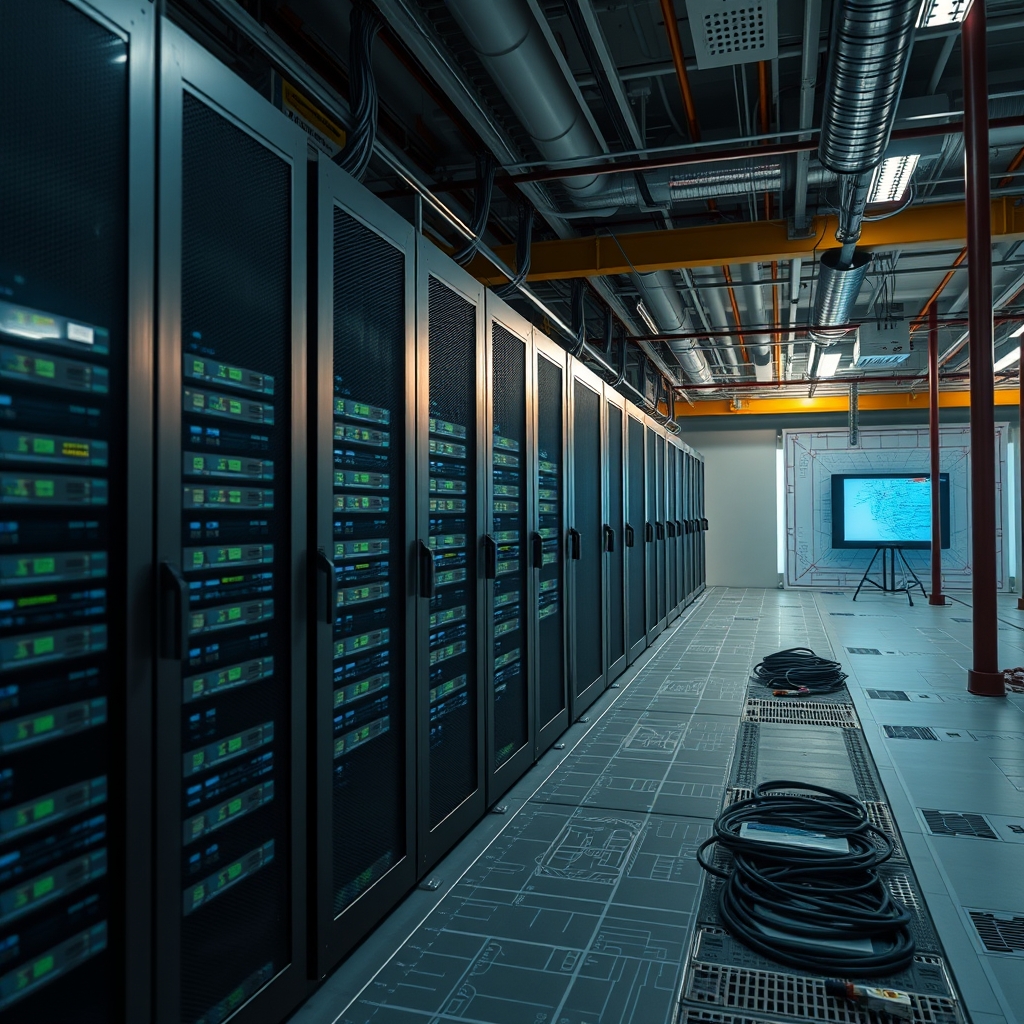
The global surge in data‑center construction is now colliding with hard‑ground realities, and industry insiders warn that a sizable share of the projects announced for AI compute may never break ground. With billions of dollars earmarked for artificial‑intelligence (AI) infrastructure, distinguishing feasible builds from speculative hype has become a priority for investors and policymakers alike.
Three interlocking obstacles dominate the landscape: entrenched local opposition, protracted permitting processes, and an increasingly strained electricity supply. In many U.S. states, community groups have mobilized against massive facilities that threaten water resources or raise aesthetic concerns, while regulators scramble to keep pace with the sheer volume of applications. Simultaneously, the scramble for clean power—essential for the carbon‑intensive workloads of large language models—has left developers competing for limited grid capacity.
Brent Nelson, senior managing director of markets and strategy at Ascend Analytics, outlined a pragmatic framework used to separate viable projects from pipe‑dreams. “We examine three signals,” he said on TechCrunch’s Equity podcast: (1) secured power contracts that guarantee megawatt‑hour delivery for at least a decade; (2) financing structures backed by reputable lenders rather than speculative equity; and (3) a clear regulatory path, evidenced by completed environmental impact assessments and community outreach milestones.
The ramifications extend beyond construction sites. If speculative data‑center announcements falter, the anticipated acceleration of AI compute capacity could stall, prompting cloud providers to re‑allocate resources toward modular or edge solutions that demand less upfront capital. Moreover, delayed projects exacerbate grid stress, compelling utilities to accelerate renewable‑energy integration or risk curtailing AI workloads during peak demand periods.
Looking ahead, the industry appears to be pivoting toward smaller, renewable‑powered campuses and flexible leasing models that can adapt to shifting power markets. By 2027, analysts expect a handful of fully operational mega‑facilities, but the majority of announced sites will likely be re‑evaluated or shelved pending clearer policy signals and more robust power agreements.